



AMD เปิด Threadripper Halo Station ต้นแบบเวิร์กสเตชัน AI หน่วยความจำรวมสูงสุด 2.6TB พร้อม Ryzen AI Halo รองรับ Project Zenith รันโมเดล 30B+ ในเครื่อง
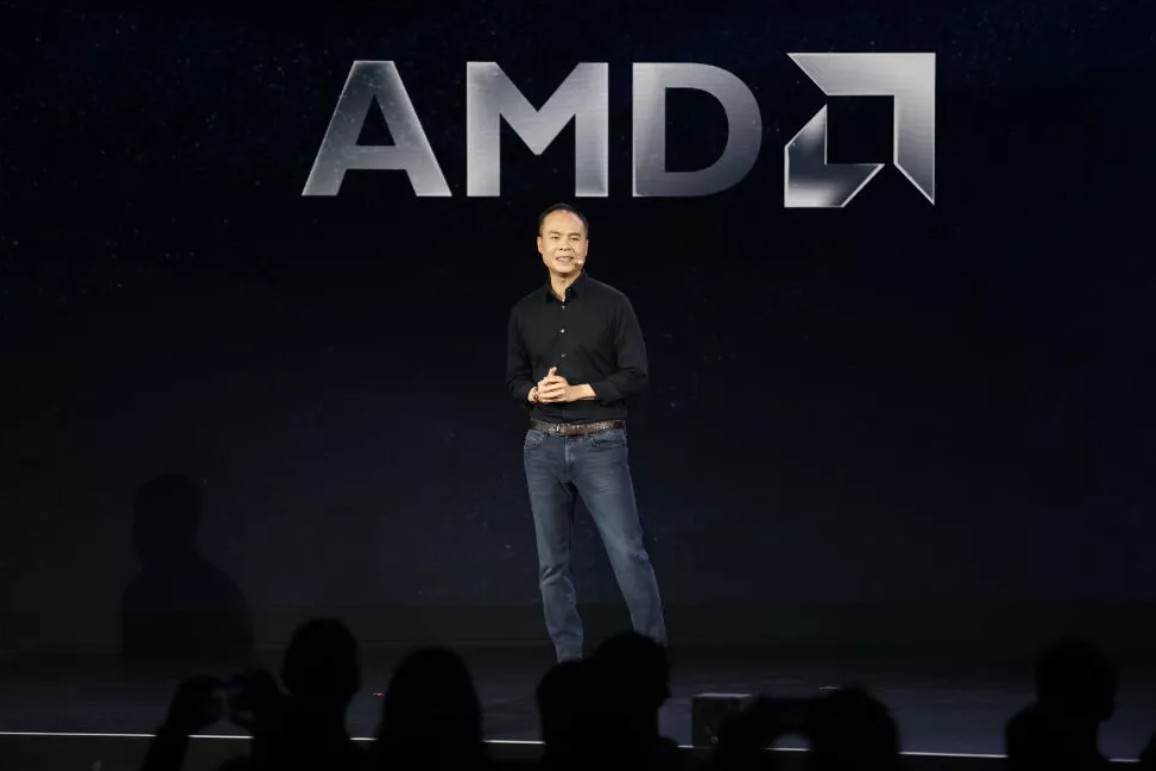
AMD ใช้เวที IFA 2026 ณ กรุงเบอร์ลิน ประเทศเยอรมนี เปิดภาพยุค “Personal AI” ผ่านปาฐกถาพิเศษของ Jack Huynh รองประธานอาวุโสและผู้จัดการทั่วไป กลุ่ม Computing and Graphics ของ AMD โดยนำเสนอทิศทางการประมวลผล AI ที่ขยายจากพีซีส่วนบุคคลไปสู่เวิร์กสเตชันบนโต๊ะทำงาน ไฮไลต์สำคัญคือ AMD Threadripper Halo Station ต้นแบบระบบสำหรับเทรน ปรับแต่ง และรันโมเดล AI ขนาดใหญ่ภายในองค์กร ซึ่งเตรียมพร้อมในปี 2027
Threadripper Halo Station ใช้โปรเซสเซอร์ Ryzen Threadripper PRO 9995WX สถาปัตยกรรม Zen 5 จำนวน 96 คอร์ 192 เธรด ทำงานร่วมกับตัวเร่งประมวลผล AMD Instinct-class HBM สำหรับเวิร์กสเตชัน โดยสเปกสูงสุดรองรับหน่วยความจำ HBM3e ฝั่ง GPU 576GB และหน่วยความจำระบบ RDIMM 2TB รวมสูงสุดประมาณ 2.6TB พร้อมแบนด์วิดท์หน่วยความจำรวมสูงสุด 16.4TB/s ข้อมูลผลิตภัณฑ์จาก AMD
ระบบอ้างอิงระดับสูงสุดของ AMD ใช้ตัวเร่ง Instinct MI350P จำนวน 4 ตัว ให้แบนด์วิดท์ฝั่ง GPU รวมสูงสุด 16TB/s อย่างไรก็ตาม Threadripper Halo Station ยังอยู่ในสถานะต้นแบบ และ AMD ยังไม่ประกาศราคา ผู้ผลิตเครื่องสำเร็จรูป หรือกำหนดวางจำหน่ายที่ชัดเจนนอกเหนือจากกรอบปี 2027
เมื่อพิจารณาจากสเปก ทิศทางของ AMD รอบนี้ให้น้ำหนักกับความจุและแบนด์วิดท์ของหน่วยความจำมากกว่าการสื่อสารด้วยตัวเลข TOPS เพียงอย่างเดียว เพราะการรันโมเดลขนาดใหญ่และ AI Agent จำนวนมากพร้อมกันต้องอาศัยพื้นที่เก็บโมเดลและการส่งข้อมูลที่รวดเร็ว รวมถึงช่วยให้องค์กรเก็บข้อมูลและทรัพย์สินทางปัญญาไว้ภายในระบบของตนเอง
อีกแกนสำคัญคือ Project Zenith ประสบการณ์ Windows สำหรับอุปกรณ์ระดับนักพัฒนาที่จะเริ่มใช้งานกับ AMD Ryzen AI Halo เป็นแพลตฟอร์มแรก ตัวระบบกำหนดพื้นฐานฮาร์ดแวร์ไว้ที่หน่วยความจำแบบ Unified Memory อย่างน้อย 64GB และแบนด์วิดท์ 250GB/s พร้อมรองรับการรันโมเดลขนาดมากกว่า 30B พารามิเตอร์ภายในเครื่องโดยไม่คิดค่าโทเคนจากคลาวด์ Microsoft
Project Zenith เตรียมสภาพแวดล้อม Windows ให้พร้อมเขียนโค้ดตั้งแต่เปิดเครื่อง ทั้ง Visual Studio Code, Windows Terminal, WSL, GitHub Copilot CLI และ PowerShell ตลอดจนปรับการตั้งค่าของ File Explorer, Search, Start และ Taskbar ให้เหมาะกับงานพัฒนาและ Agentic AI มากขึ้น
สำหรับตัวแพลตฟอร์ม Ryzen AI Halo รุ่นปัจจุบัน AMD ระบุว่าสามารถติดตั้ง Unified Memory ได้สูงสุด 128GB และรองรับโมเดล AI ขนาดสูงสุด 200 พันล้านพารามิเตอร์ ขณะที่แพลตฟอร์มรุ่นถัดไปบน Ryzen AI Max PRO 400 Series เพิ่มหน่วยความจำได้สูงสุด 192GB และจัดสรรเป็น VRAM ได้สูงสุด 160GB โดย AMD ระบุว่า Ryzen AI Max+ PRO 495 สามารถรันโมเดลมากกว่า 300 พันล้านพารามิเตอร์ที่การควอนไทซ์ 4-bit ได้ AMD Ryzen AI Halo
ด้านการนำงาน AI จากเครื่องนักพัฒนาไปใช้งานระดับองค์กร AMD ขยายความร่วมมือกับ SUSE เพื่อเชื่อมการพัฒนาและทดสอบบน Ryzen AI Halo เข้ากับระบบ Production ที่บริหารและขยายขนาดได้ โดยความร่วมมือครอบคลุม SUSE AI Factory, SUSE Linux Enterprise Server และ Rancher Prime รวมถึงการรองรับ Linux, Kubernetes และเครื่องมือสำหรับ Private Enterprise AI บนโครงสร้างพื้นฐาน AMD รายละเอียดความร่วมมือ AMD–SUSE
ฝั่ง OEM มี Lenovo ThinkCentre X Ultra มินิเดสก์ท็อปขนาด 1.6 ลิตร ใช้ Ryzen AI Max+ PRO 495 รองรับ Unified Memory สูงสุด 128GB, NPU สูงสุด 55 TOPS และเชื่อมต่อเครื่องได้สูงสุด 4 ระบบเพื่อขยายทรัพยากรสำหรับโมเดลขนาดใหญ่ โดยมีกำหนดวางจำหน่ายในยุโรปเดือนพฤศจิกายน 2026 ราคาเริ่มต้นคาดการณ์ 3,100 ยูโร Lenovo
ส่วน ThinkCentre M75s Gen 6 และ M75q Gen 6 ใช้ Ryzen AI PRO 400 Series สูงสุด 50 TOPS ไม่ใช่ Ryzen AI Max 400 Series ขณะที่ Acer Aspire G 3D 16 ใช้ Ryzen AI Max+ 395 พร้อม Unified Memory สูงสุด 128GB และจอ 3D แบบไม่ต้องสวมแว่น ความละเอียด 3840 × 2400 พิกเซล รีเฟรชเรต 120Hz โดย Acer ยังไม่ประกาศกำหนดวางจำหน่าย Acer
ภาพรวมจาก IFA 2026 จึงสะท้อนการวางระบบ Local AI ของ AMD เป็นหลายระดับ ตั้งแต่พีซีสำหรับพัฒนา AI ผ่าน Ryzen AI Halo และ Project Zenith ไปจนถึง Threadripper Halo Station สำหรับโมเดลระดับองค์กร พร้อมใช้ SUSE เป็นสะพานเชื่อมงานทดลองเข้าสู่ระบบ Production ส่วนราคาและการวางจำหน่ายในประเทศไทยของผลิตภัณฑ์กลุ่มนี้ยังไม่มีการประกาศ
AMD unveils Threadripper Halo Station with up to 2.6TB of memory for datacenter-class desktop AI
At IFA 2026 in Berlin, Jack Huynh, Senior Vice President and General Manager of AMD’s Computing and Graphics Group, delivered the opening keynote titled “The Era of Personal AI.” He outlined AMD’s vision for extending local AI computing from personal PCs to high-end deskside workstations, led by the AMD Threadripper Halo Station, a prototype designed to train, fine-tune and run large AI models locally, with availability planned for 2027.
Threadripper Halo Station combines a 96-core, 192-thread Ryzen Threadripper PRO 9995WX processor based on the Zen 5 architecture with AMD Instinct-class HBM workstation accelerators. Its maximum specification supports up to 576GB of HBM3e GPU memory and 2TB of RDIMM system memory, providing approximately 2.6TB of combined memory and up to 16.4TB/s of total system memory bandwidth. AMD product details
AMD’s top reference configuration uses four Instinct MI350P accelerators, delivering up to 16TB/s of aggregate GPU memory bandwidth. The Threadripper Halo Station remains a prototype, however, and AMD has yet to announce pricing, system manufacturing partners or a firm release schedule beyond the 2027 timeframe.
Based on the specifications and software announced, AMD’s strategy places considerable emphasis on memory capacity and bandwidth rather than relying solely on TOPS figures. Large models and continuously running AI agents require enough memory to keep their workloads local, while also enabling organisations to retain sensitive data and intellectual property within their own infrastructure.
Another major announcement was Project Zenith, a developer-focused Windows experience that will first become available on AMD Ryzen AI Halo. The baseline specification calls for at least 64GB of unified memory and more than 250GB/s of memory bandwidth, enabling devices to run models with over 30 billion parameters locally and without metered cloud-token charges. Microsoft
Project Zenith provides a ready-to-code Windows environment with Visual Studio Code, Windows Terminal, WSL, GitHub Copilot CLI and PowerShell prepared in advance. Microsoft has also adjusted File Explorer, Search, Start and Taskbar settings to create a cleaner environment for software development and agentic AI workflows.
AMD says the current Ryzen AI Halo platform supports up to 128GB of unified memory and can run AI models with as many as 200 billion parameters. Its next-generation platform based on Ryzen AI Max PRO 400 Series increases capacity to 192GB, with up to 160GB configurable as VRAM. AMD says the Ryzen AI Max+ PRO 495 can run models exceeding 300 billion parameters at 4-bit quantisation. AMD Ryzen AI Halo
AMD is also extending its work with SUSE to help developers move applications from local development and testing on Ryzen AI Halo into secure, supported enterprise production environments. The broader collaboration covers SUSE AI Factory, SUSE Linux Enterprise Server and Rancher Prime, providing Linux, Kubernetes and Private Enterprise AI capabilities across AMD infrastructure. AMD–SUSE collaboration
Among the new OEM systems, Lenovo’s ThinkCentre X Ultra is a 1.6-litre desktop powered by up to the Ryzen AI Max+ PRO 495. It supports 128GB of unified memory, an NPU rated at up to 55 TOPS and a cluster-ready architecture connecting up to four systems. European availability is scheduled for November 2026, with an expected starting price of €3,100. Lenovo
The ThinkCentre M75s Gen 6 and M75q Gen 6 use Ryzen AI PRO 400 Series processors rated at up to 50 TOPS rather than Ryzen AI Max 400 Series chips. Acer’s Aspire G 3D 16 is powered by the Ryzen AI Max+ 395, supports up to 128GB of unified memory and features a glasses-free 16-inch 3D display with 3840 × 2400 resolution and a 120Hz refresh rate. Acer has not yet announced its availability. Acer
The IFA announcements reveal a multi-tier local AI strategy spanning Ryzen AI Halo developer PCs with Project Zenith and the Threadripper Halo Station for enterprise-scale models, with SUSE providing a path from local experimentation to production deployment. Pricing and availability for these products in Thailand have not been announced.