


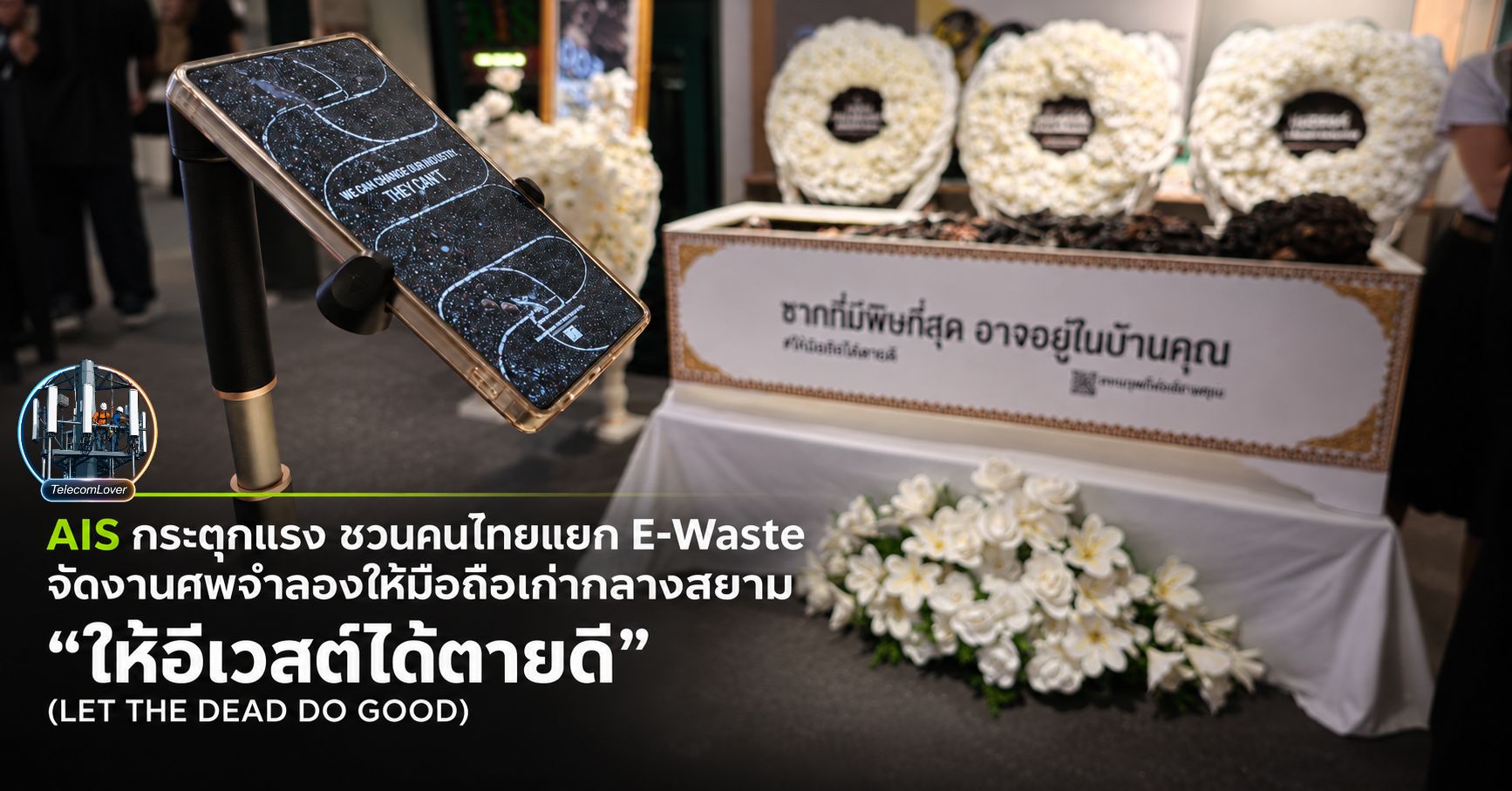
AIS จัดนิทรรศการ “ให้อีเวสต์ได้ตายดี” (LET THE DEAD DO GOOD) ที่ AIS SIAM ชวนแยกขยะอิเล็กทรอนิกส์ไปทิ้งให้ถูกวิธีผ่านจุดรับกว่า 3,200 แห่งทั่วประเทศ หลังรวบรวมสะสมแล้วกว่า 1.3 ล้านชิ้น
จากกระแสข่าวปัญหาสารพิษและมลพิษที่เกิดขึ้นในปัจจุบัน สะท้อนให้เห็นว่าการจัดการของเสียและการดูแลสิ่งแวดล้อมเป็นเรื่องใกล้ตัวที่ทุกภาคส่วนต้องร่วมกันรับผิดชอบตั้งแต่ต้นทาง ไม่ว่าจะเป็นของเสียจากภาคอุตสาหกรรมหรือขยะที่เกิดขึ้นในชีวิตประจำวัน โดยเฉพาะขยะอิเล็กทรอนิกส์ (E-Waste) ที่หลายคนอาจมองข้ามไป ทั้ง ๆที่เป็นขยะที่ต้องอาศัยการคัดแยกและจัดการอย่างถูกวิธี เพื่อป้องกันความเสี่ยงจากสารอันตรายและลดผลกระทบต่อสิ่งแวดล้อมในระยะยาว
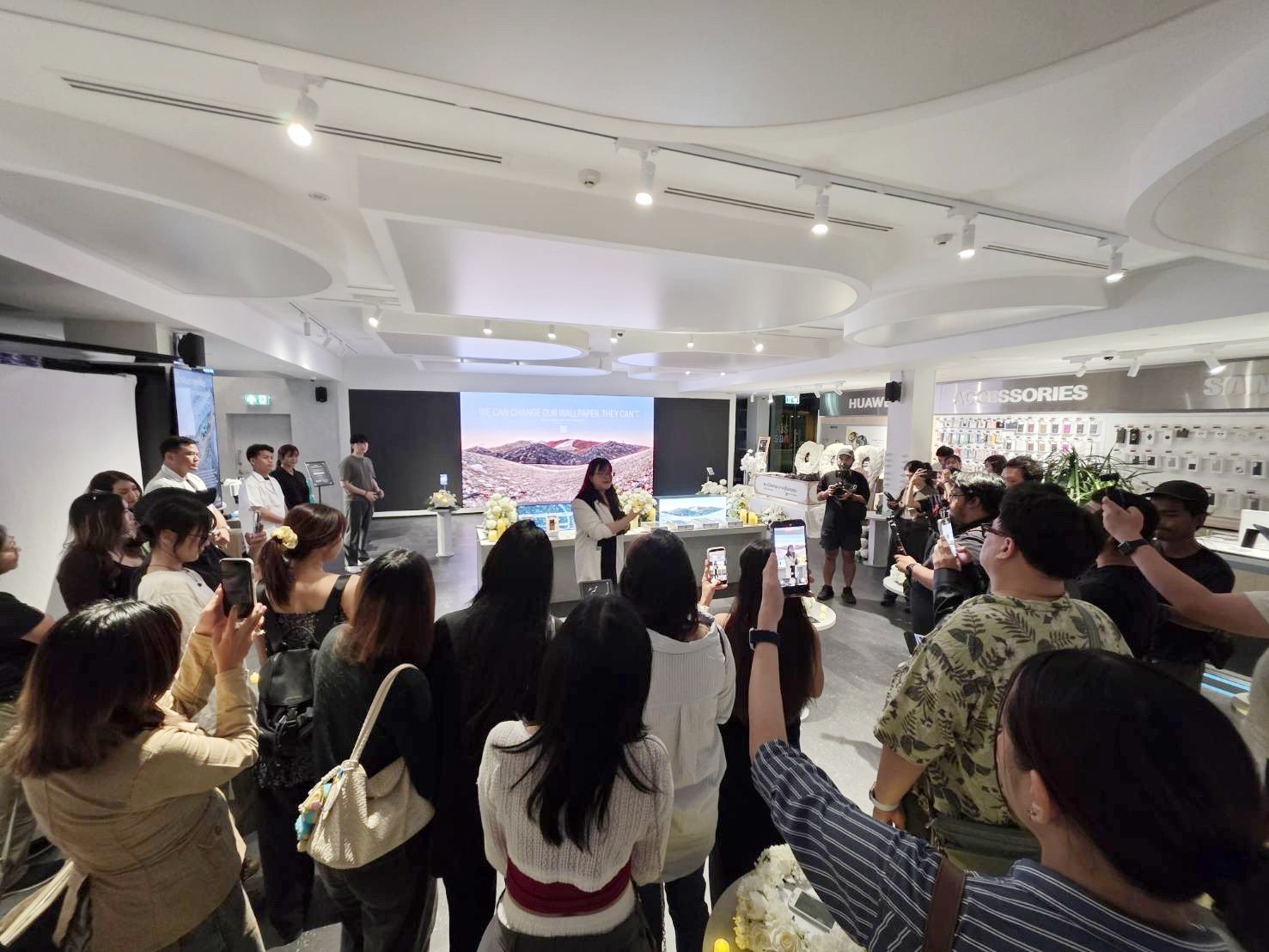
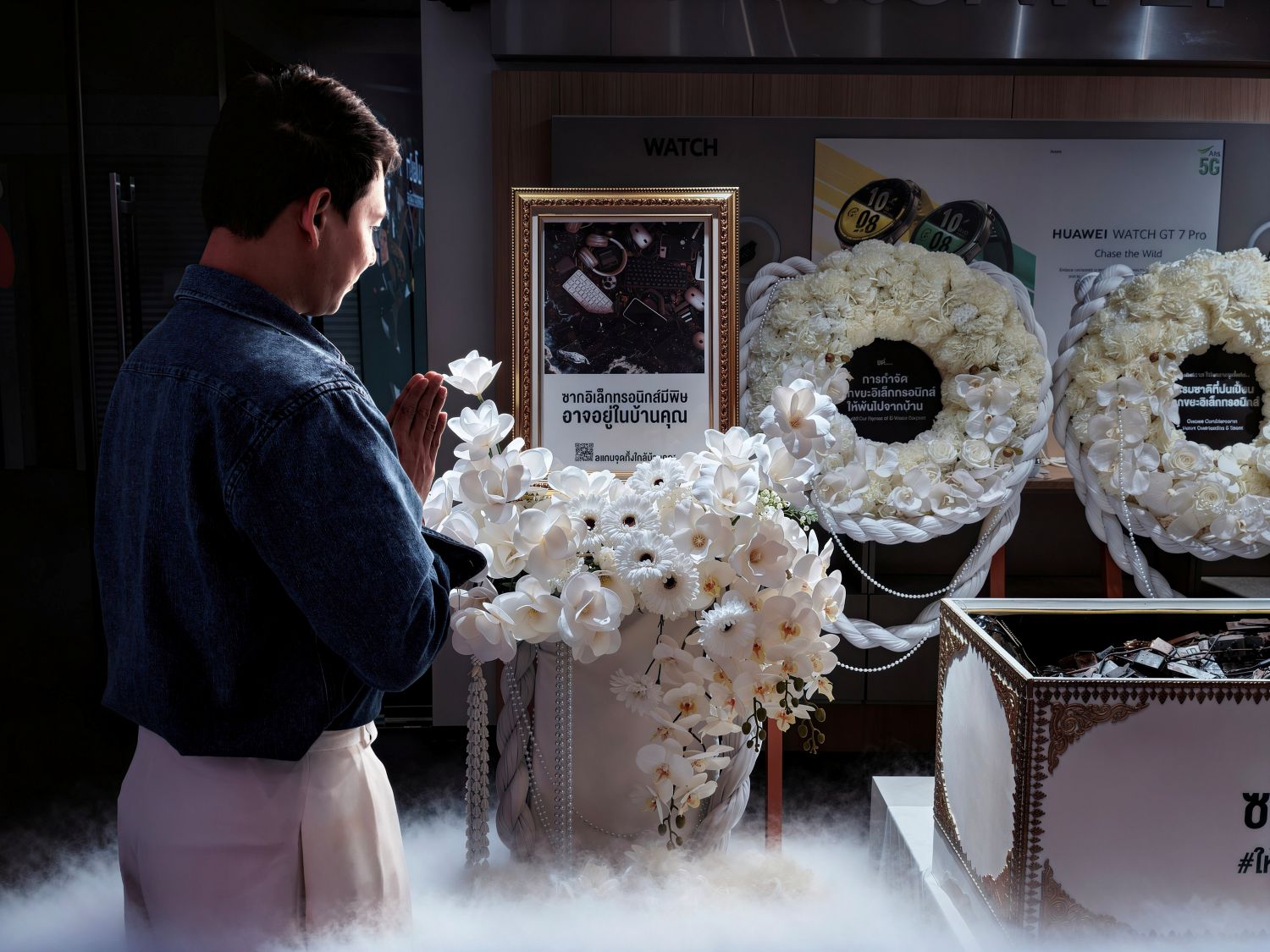
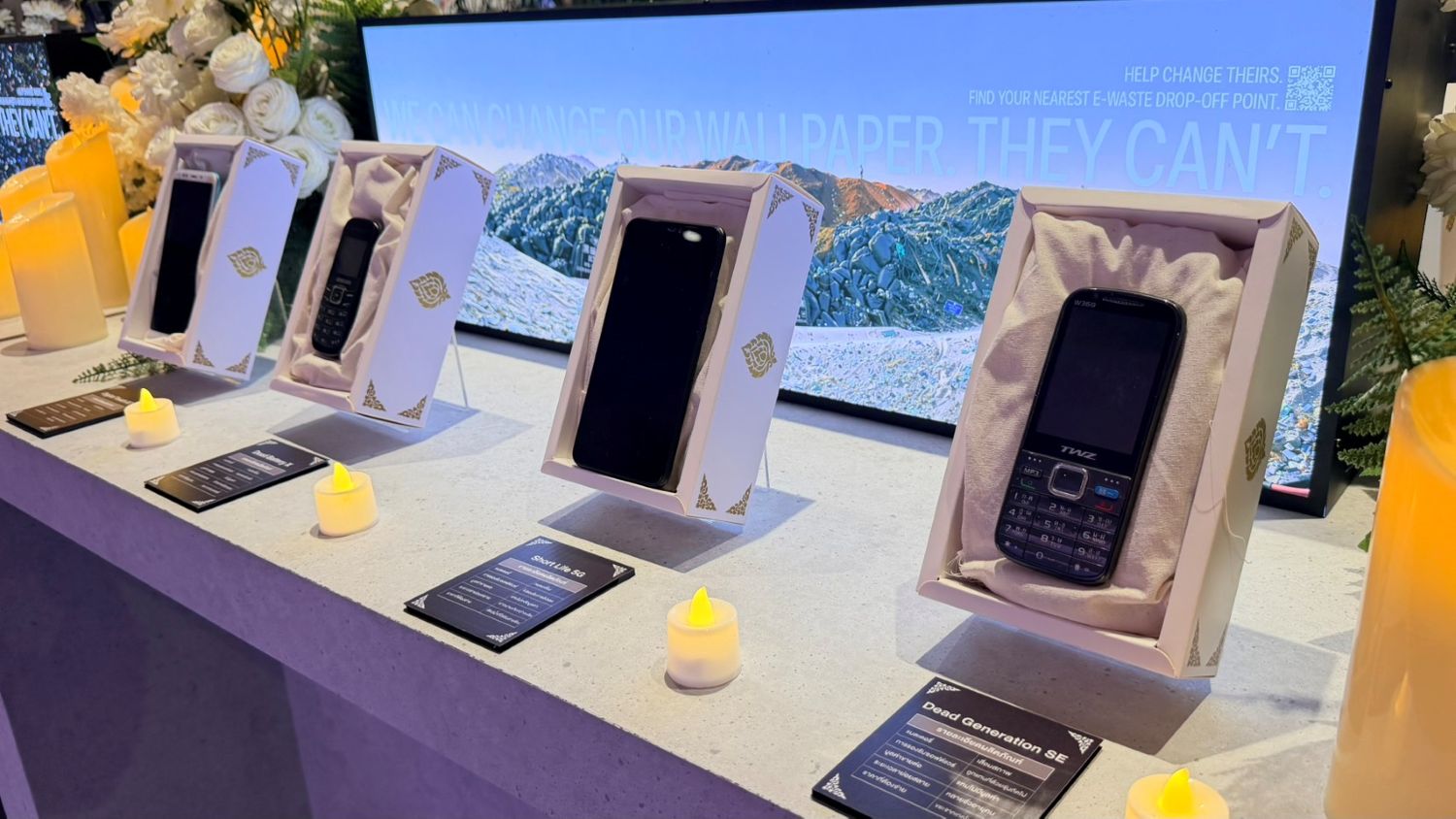
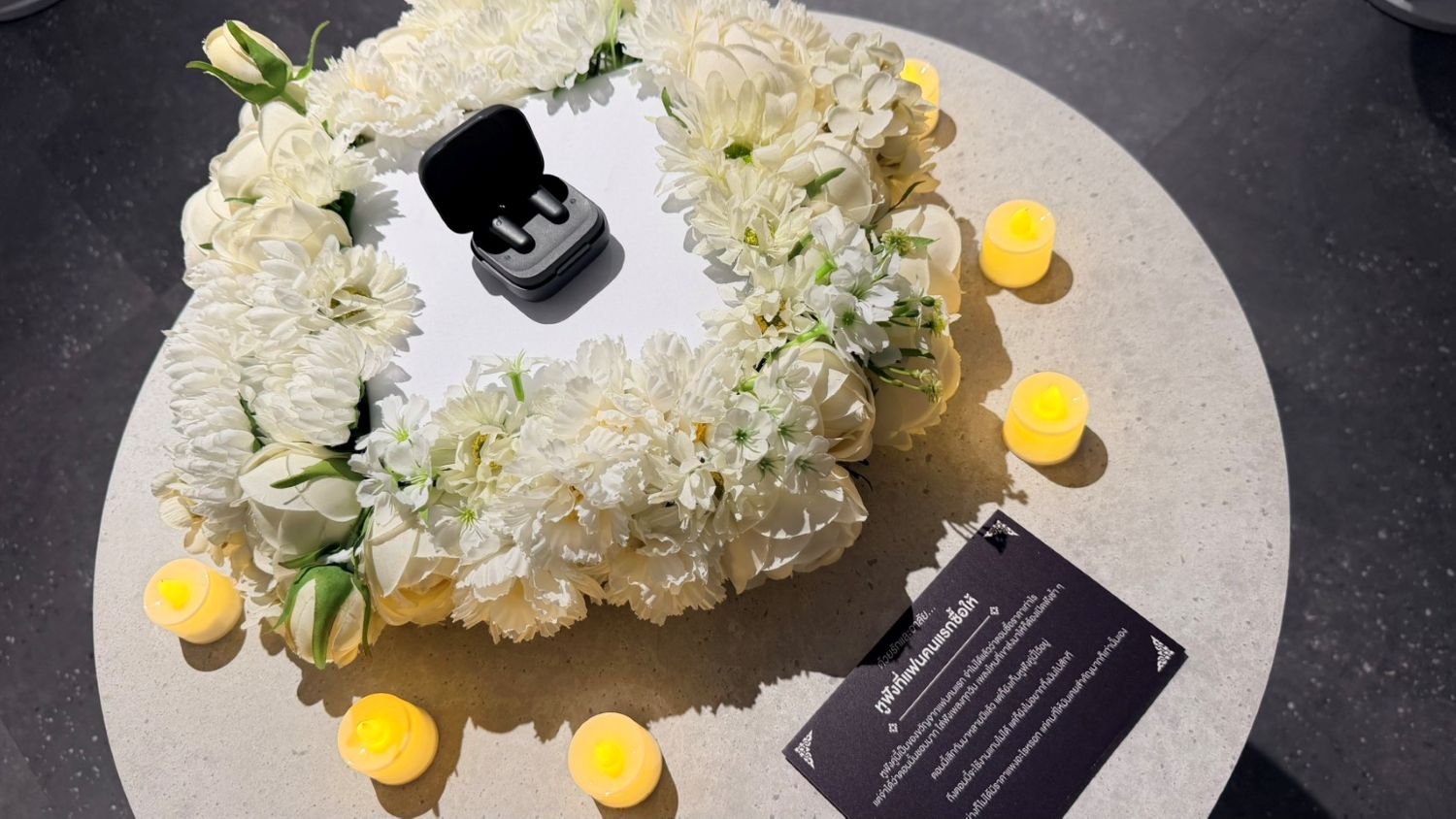
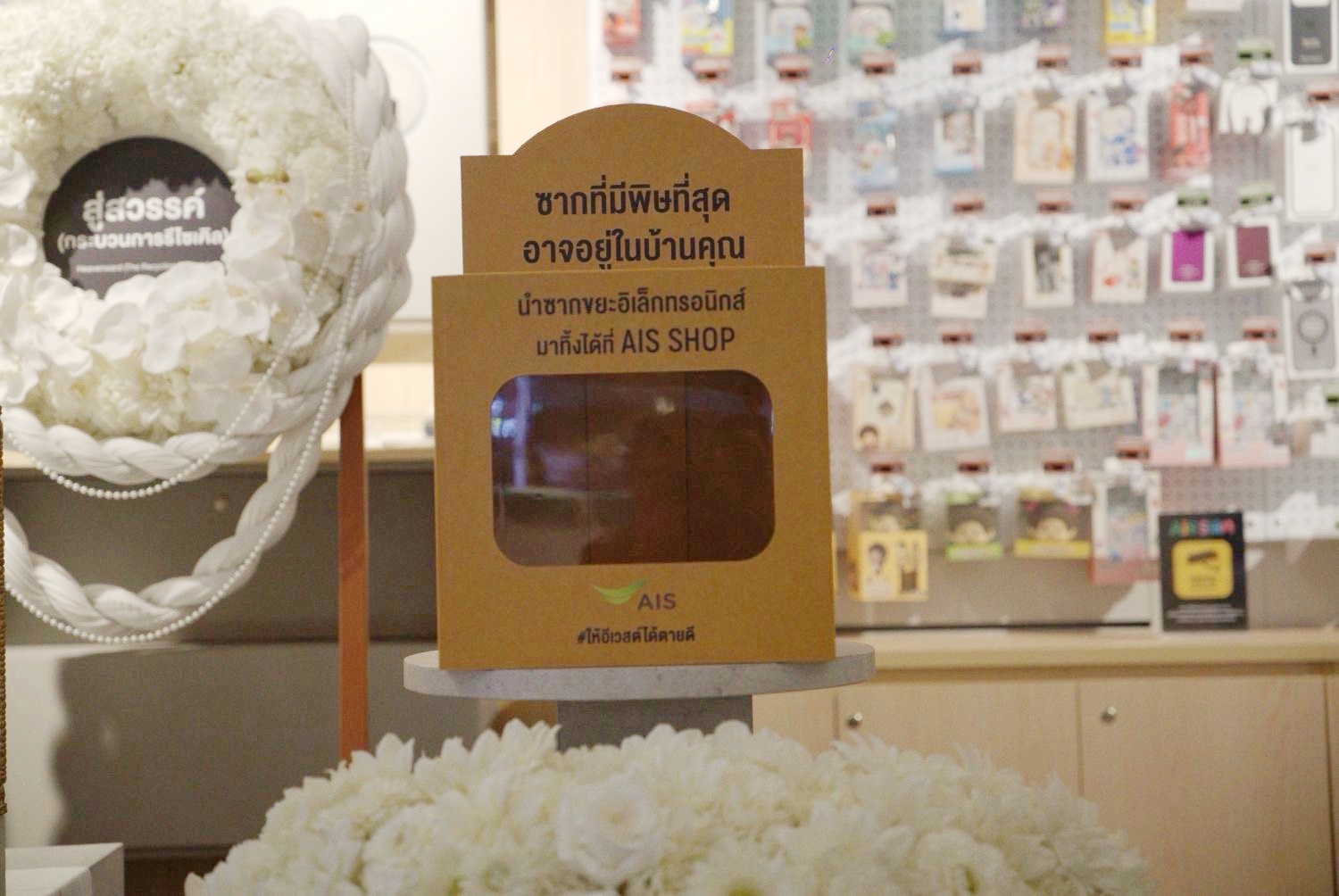
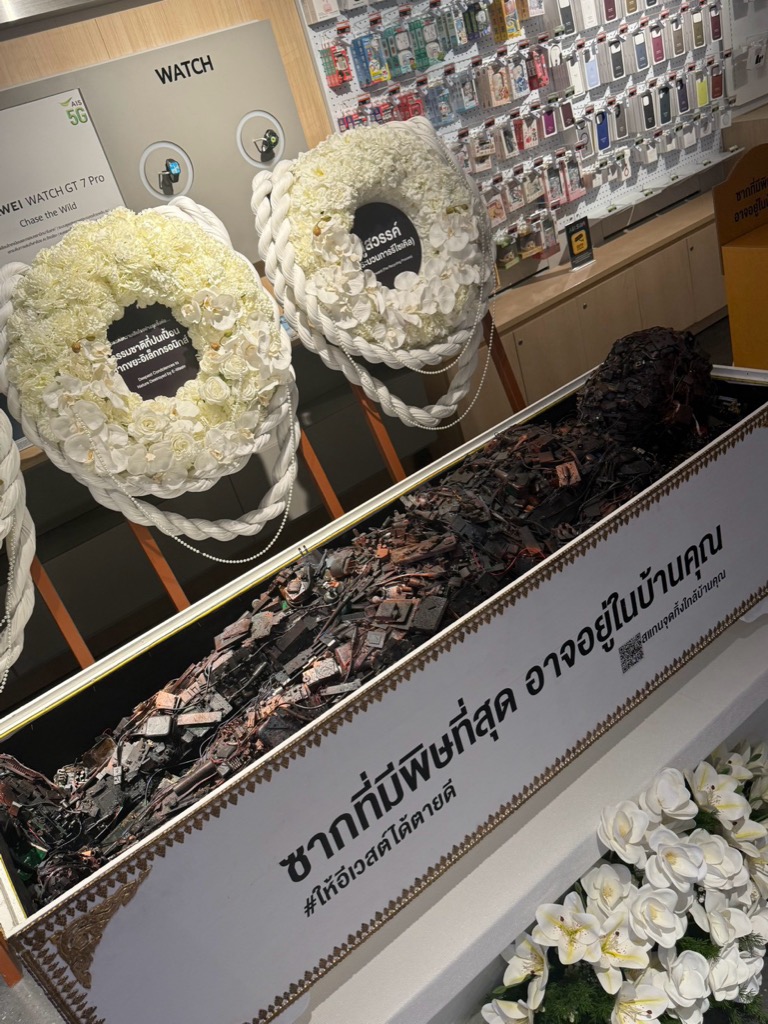
จากสถานการณ์ดังกล่าว เพื่อชวนให้คนไทยหันมาเริ่มต้นจัดการขยะอิเล็กทรอนิกส์จากเรื่องใกล้ตัว AIS จึงพลิกพื้นที่ AIS SIAM โดยนำ AIS Shop ที่ปิดให้บริการแล้ว มาเปลี่ยนเป็นพื้นที่รณรงค์และรับขยะอิเล็กทรอนิกส์ ในคืนวันที่ 20 พฤศจิกายน 2569 ให้กลายเป็นสถานที่ส่งท้ายอุปกรณ์อิเล็กทรอนิกส์ที่หมดอายุการใช้งาน ภายใต้แคมเปญ “ให้อีเวสต์ได้ตายดี” (LET THE DEAD DO GOOD) ของโครงการคนไทยไร้ E-Waste ในรูปแบบ Exhibition บอกลาอุปกรณ์อิเล็กทรอนิกส์ที่เคยมีความหมายและเป็นส่วนหนึ่งในชีวิตของเรา ไม่ว่าจะเป็นมือถือเครื่องเก่าที่เคยใช้ติดต่อคนสำคัญ หรือกล้องตัวเก่าที่เคยบันทึกความทรงจำ ถูกนำมาจัดแสดงใน Exhibition ผ่านพิธีน้อมรำลึก ขบวนแห่โลงศพ E-Waste ที่สร้างการตระหนักและรับรู้ว่า ซากขยะอิเล็กทรอนิกส์ที่อยู่ที่บ้านของคุณ อาจมีอันตรายมากกว่าที่คุณคิด และเชื่อมโยงกับวัฒนธรรมไทย พิธีฌาปนกิจส่งท้ายที่คนไทยคุ้นเคยมาเป็นเครื่องมือสื่อสาร ชวนให้ทุกคนร่วมบอกลา E-Waste อย่างมีความหมาย ด้วยการนำอุปกรณ์ที่หมดอายุการใช้งานออกจากบ้าน แยกออกจากขยะทั่วไป และส่งต่อไปยัง จุดรับทิ้งขยะอิเล็กทรอนิกส์ AIS Shop ทุกสาขาและเครือข่ายพันธมิตร เพื่อเข้าสู่กระบวนการจัดการอย่างถูกวิธีกับเพื่อให้ขยะ E-Wasteได้จบหน้าที่อย่างสมบูรณ์ และไม่กลายเป็นภาระต่อสิ่งแวดล้อม
ตลอดระยะเวลากว่า 7 ปี นับตั้งแต่ปี 2019 AIS ดำเนินโครงการ “คนไทยไร้ E-Waste” ตั้งแต่ปี 2019 เพื่อสร้างความตระหนักรู้และส่งเสริมการจัดการขยะอิเล็กทรอนิกส์อย่างถูกวิธี พร้อมต่อยอดสู่แคมเปญ “ให้อีเวสต์ได้ตายดี” (LET THE DEAD DO GOOD) ชวนคนไทยเริ่มเปลี่ยนแปลงจากเรื่องใกล้ตัว ผ่านคำถามว่า ทำไมเราจึงตัดสินใจทิ้งกระจกแตกหรือหวีหักได้ทันที แต่กลับเก็บมือถือเสีย หูฟังพัง หรือสายชาร์จที่ไม่ได้ใช้ไว้ในลิ้นชักนานหลายปี
ผลสำรวจของโครงการคนไทยไร้ E-Waste ในปี 2026 จากกลุ่มตัวอย่างคนไทย 100 คน พบว่า มากกว่า 70% ยังขาดความรู้ความเข้าใจในการจัดการขยะอิเล็กทรอนิกส์ ขณะที่มากกว่า 50% ไม่ทราบว่าจะนำไปทิ้งที่ไหน และยังขาดความเข้าใจถึงผลกระทบจากการเก็บอุปกรณ์ที่หมดอายุการใช้งานไว้ นอกจากนี้ มากกว่า 60% ของผู้ที่ยังไม่นำ E-Waste ไปทิ้งระบุว่าผูกพันกับอุปกรณ์เหล่านั้น สะท้อนว่าความรู้ ความมั่นใจ และความผูกพันกับสิ่งของมีส่วนต่อการตัดสินใจนำ E-Waste ไปจัดการอย่างถูกวิธี
อุปกรณ์อิเล็กทรอนิกส์บางประเภทมีสารอันตราย เช่น ตะกั่ว แคดเมียม และปรอท หากทิ้งหรือรีไซเคิลไม่เหมาะสม อาจทำให้สารอันตรายปนเปื้อนสู่ดินและแหล่งน้ำ กระทบต่อสุขภาพและสิ่งแวดล้อมในระยะยาว AIS จึงใช้แคมเปญนี้สร้างความเข้าใจและกระตุ้นให้คนไทยแยกอุปกรณ์ที่หมดอายุการใช้งานออกจากขยะทั่วไป แล้วส่งเข้าสู่กระบวนการจัดการอย่างถูกวิธี
ประเทศไทยมีขยะอิเล็กทรอนิกส์ประมาณ 700,000 ตันต่อปี โดยข้อมูลจากกรมควบคุมมลพิษ ระบุว่า ขยะอิเล็กทรอนิกส์ที่เข้าสู่กระบวนการจัดการอย่างถูกต้องมีสัดส่วนไม่ถึง 1% ส่วนหนึ่งของโจทย์การรวบรวมอยู่ที่อุปกรณ์ชิ้นเล็กในชีวิตประจำวันอย่างโทรศัพท์มือถือ หูฟัง และสายชาร์จ เมื่อเสียหรือเลิกใช้ อุปกรณ์เหล่านี้มักถูกเก็บลืมไว้ในบ้านหรือทิ้งปะปนกับขยะทั่วไป ทำให้รวบรวมเข้าสู่ระบบจัดการได้ยาก
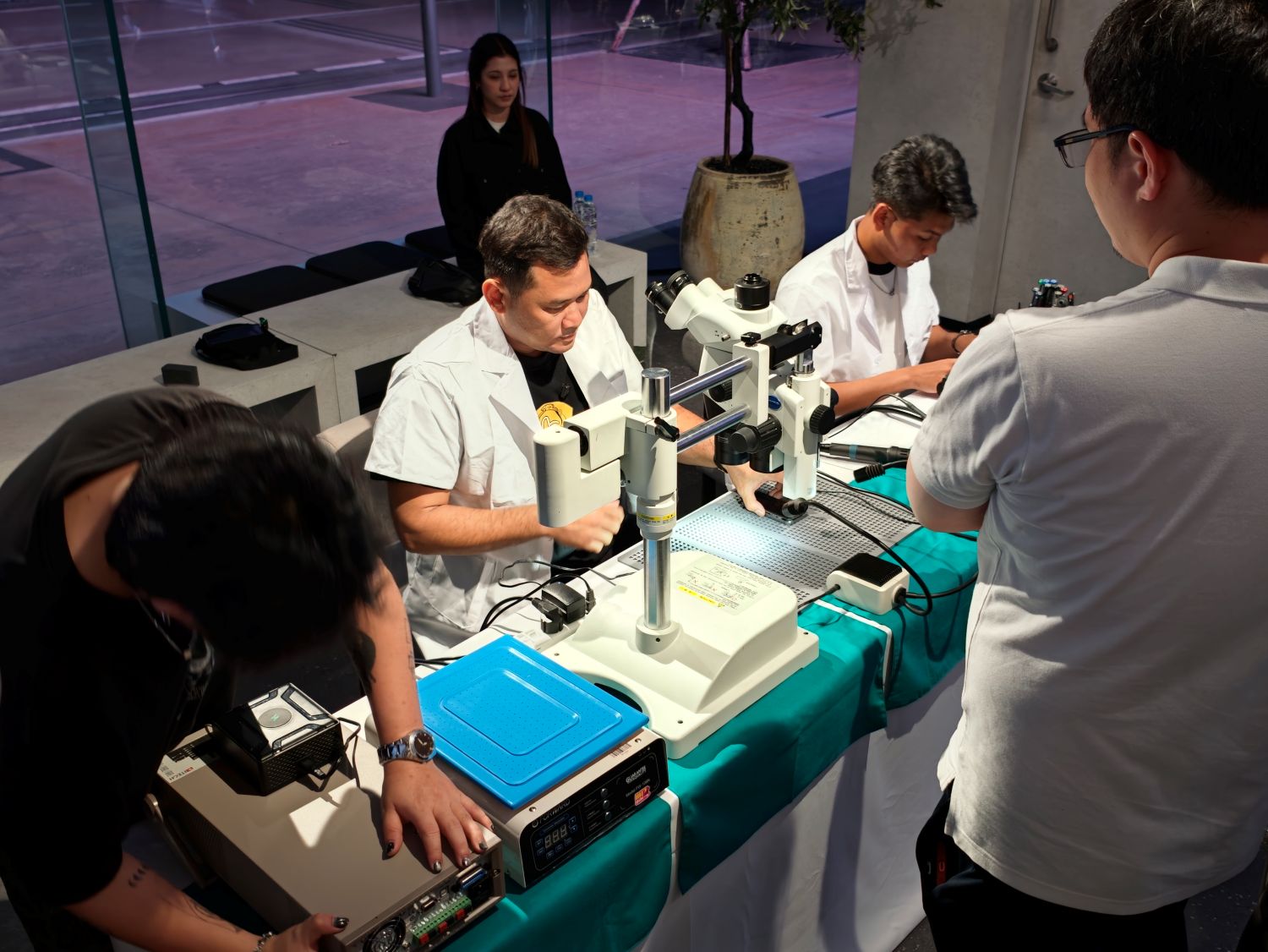
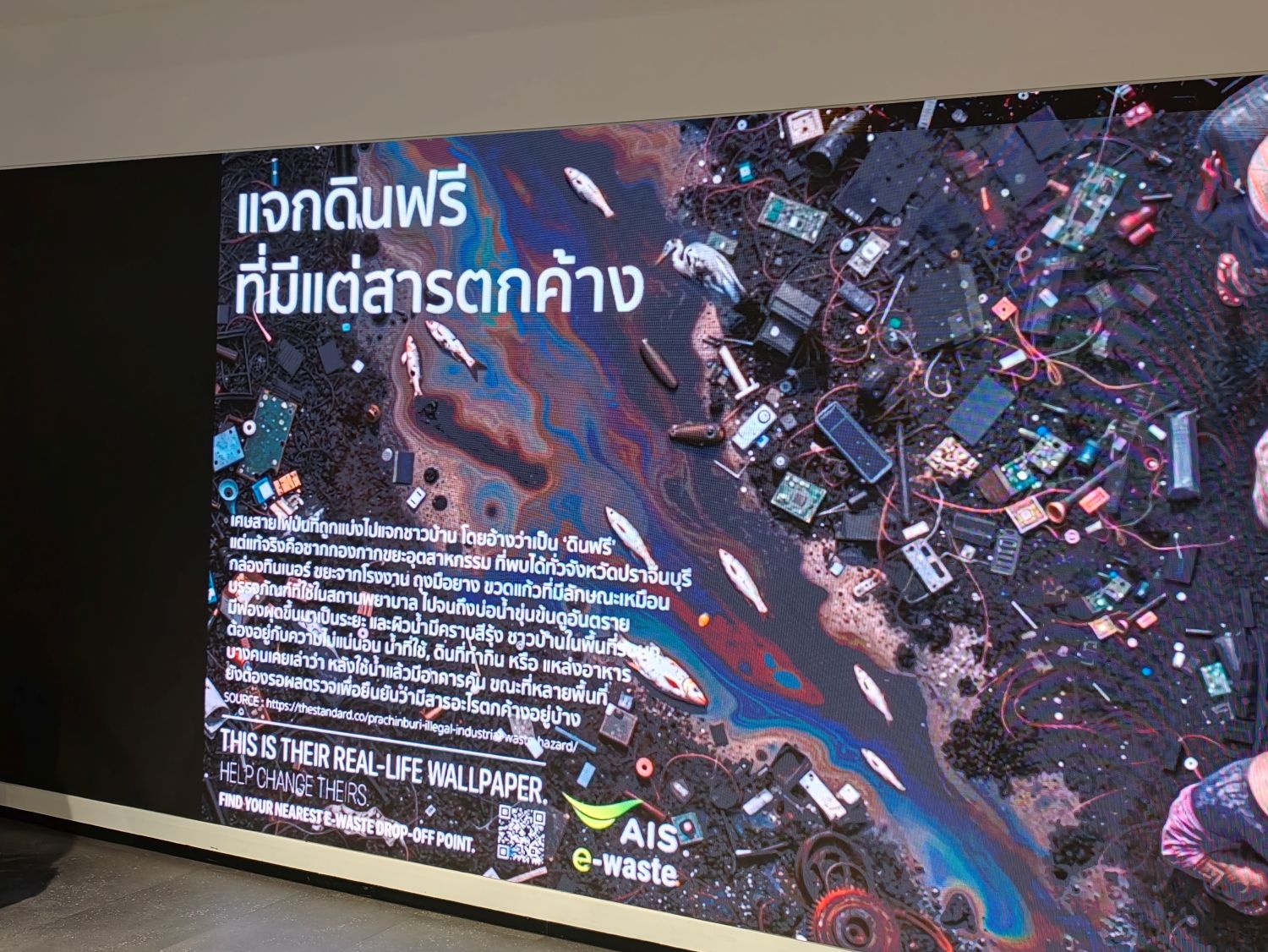
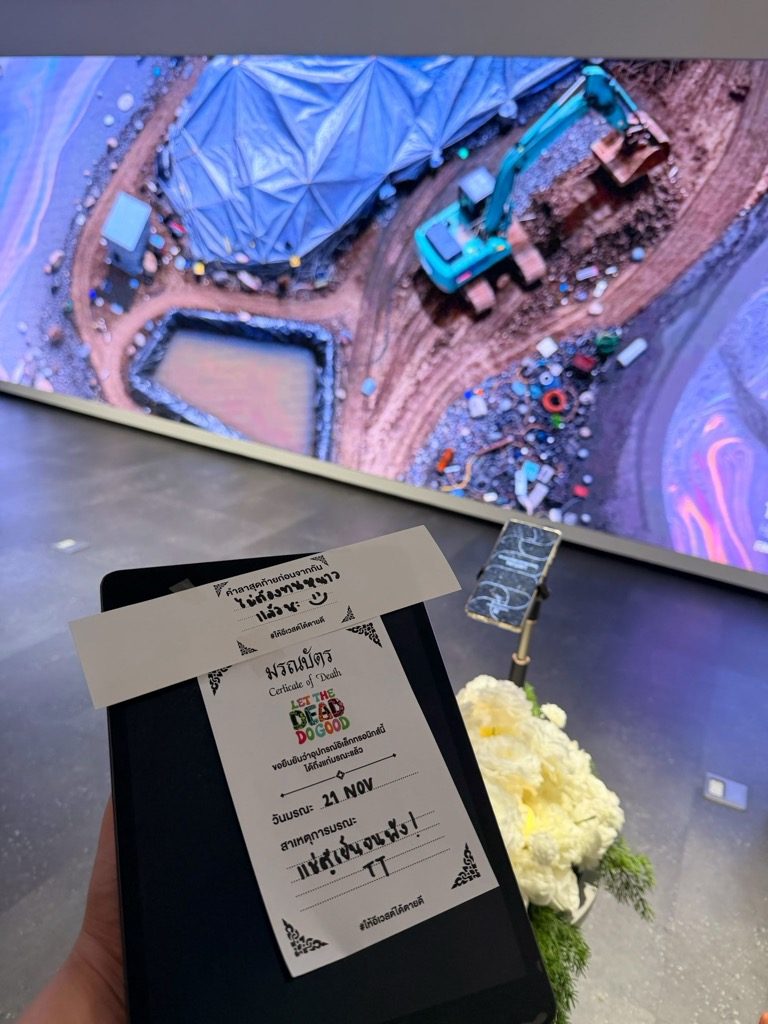
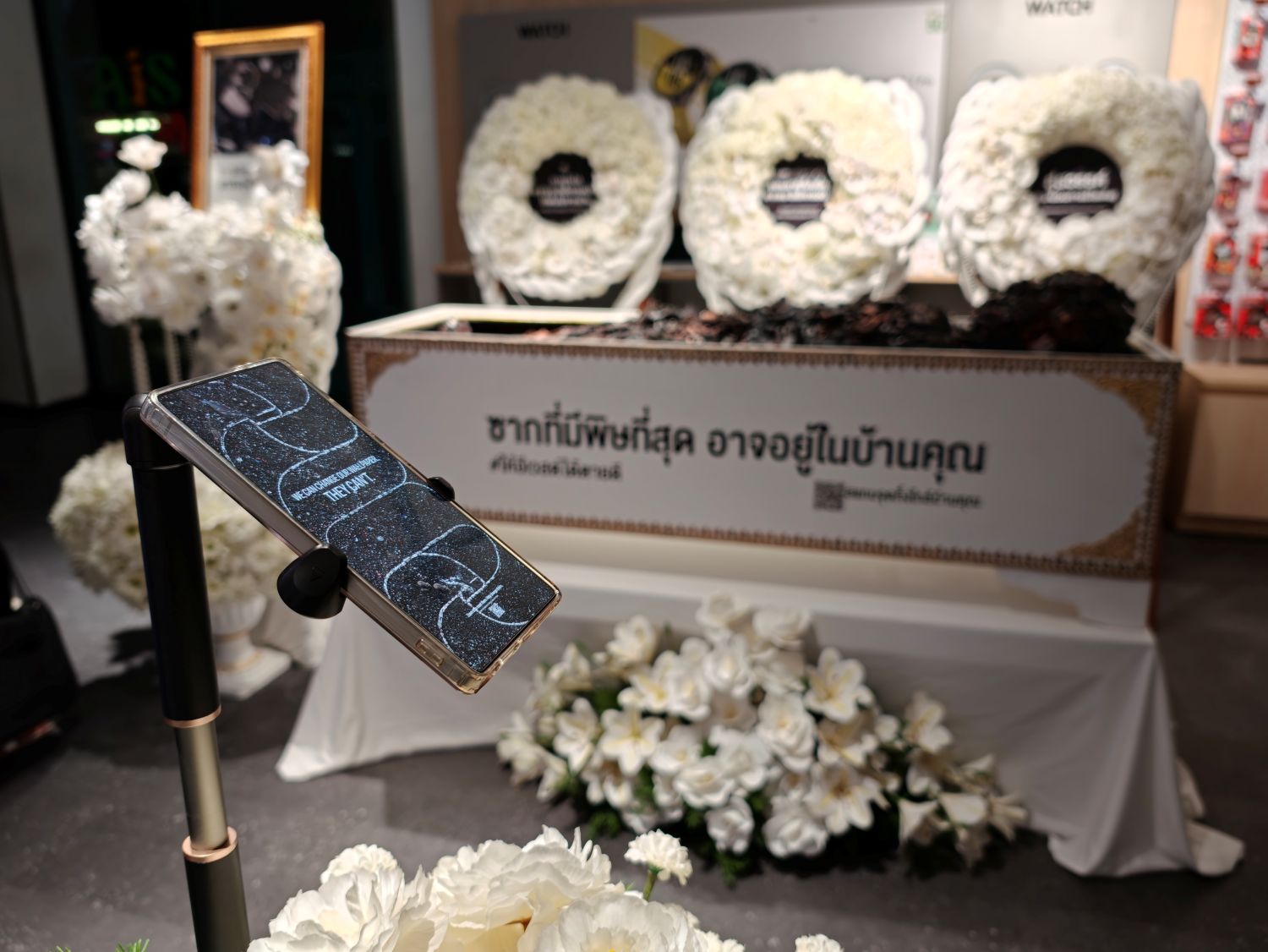
แคมเปญ “ให้อีเวสต์ได้ตายดี” (LET THE DEAD DO GOOD) เริ่มต้นขึ้นในวันขยะอิเล็กทรอนิกส์สากล 14 ตุลาคม 2569 ที่ AIS SIAM ภายใต้แนวคิด “New Tech to Dead Tech” โดยเปลี่ยนพื้นที่สื่อหน้าร้านให้กลายเป็นจุดกระตุกความคิด เมื่อหลังร้านปิด จอแสดงผลที่เคยนำเสนอภาพโฆษณามือถือรุ่นใหม่จะเปลี่ยนเป็นภาพมือถือและอุปกรณ์อิเล็กทรอนิกส์ที่หมดอายุการใช้งาน พร้อมต่อยอดการสื่อสารด้วยภาพ Wallpaper ที่หยิบยกภาพและประเด็นจากสถานการณ์ข่าวสารด้านสิ่งแวดล้อมและมลพิษที่สังคมกำลังให้ความสนใจ มาสร้างเป็นภาพ Wallpaper สื่อสารที่ชวนให้ผู้คนหยุดมอง ตั้งคำถาม และตระหนักถึงผลกระทบจากการจัดการขยะที่ไม่ถูกวิธี และ Exhibition นิทรรศการบอกลา E-Waste อย่างมีความหมาย ในคืนวันที่ 20 พฤศจิกายน ที่เปลี่ยนจากการสื่อสารบนหน้าจอมาสู่การลงมือทำจริง โดยมี Houk & Bank ทีมครีเอเตอร์สายไอทีที่เชี่ยวชาญด้านการซ่อมมือถือมาช่วยตรวจเช็กอุปกรณ์ที่ผู้ร่วมงานนำมา พร้อมให้คำแนะนำว่าอุปกรณ์ชิ้นใดยังสามารถซ่อมแซมและนำกลับมาใช้งานต่อได้ ส่วนอุปกรณ์ที่หมดสภาพและไม่สามารถใช้งานต่อได้ จะได้รับใบมรณบัตรของขยะอิเล็กทรอนิกส์เชิงสัญลักษณ์ ก่อนส่งต่อไปยังจุดรับทิ้ง E-Waste ของ AIS Shop ภายในงาน เพื่อเข้าสู่กระบวนการจัดการอย่างถูกวิธี
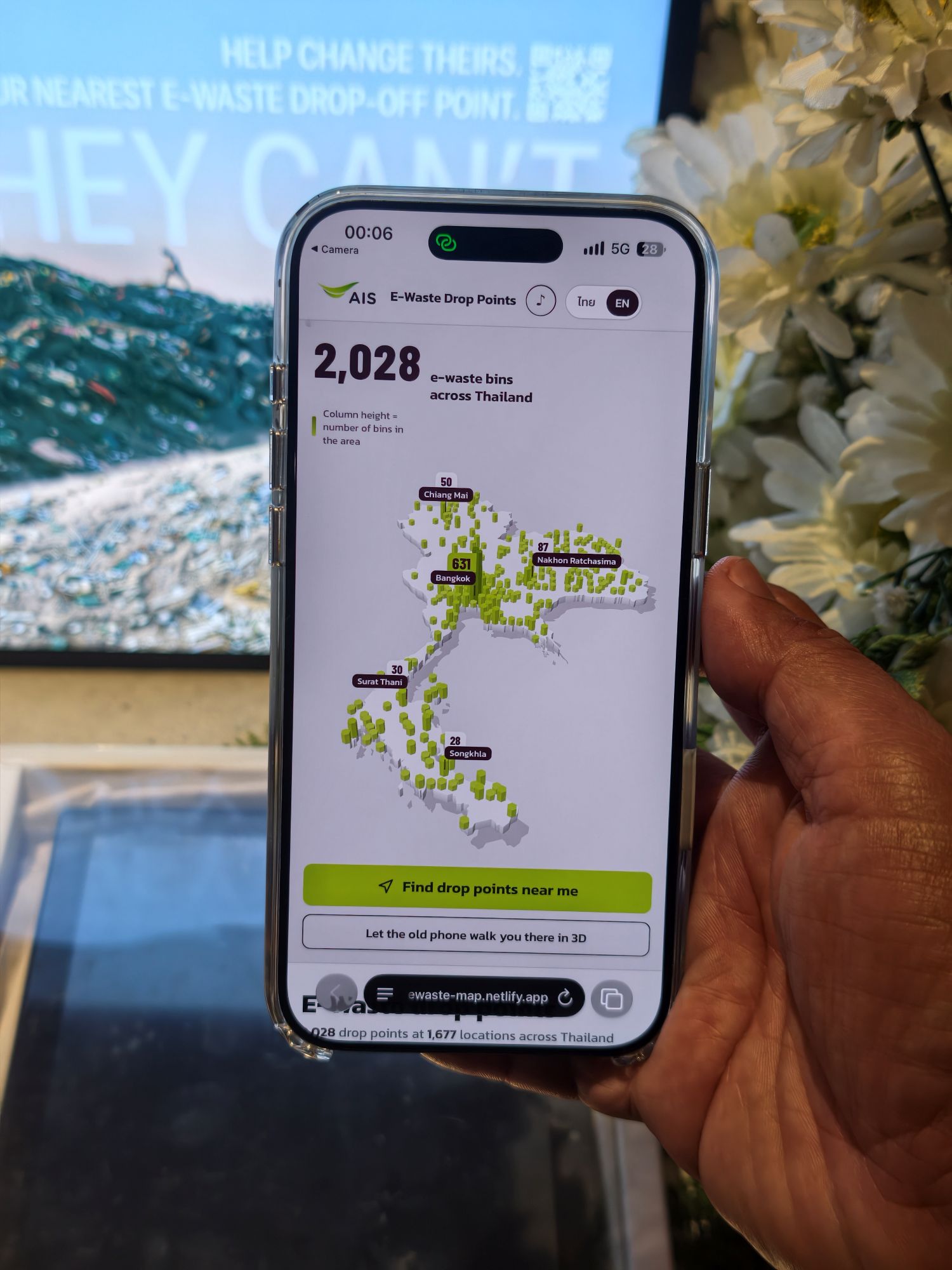
ปัจจุบันโครงการคนไทยไร้ E-Waste ทำงานร่วมกับพันธมิตรกว่า 280 องค์กร มีจุดรับกว่า 3,200 จุดทั่วประเทศ และรวบรวมขยะอิเล็กทรอนิกส์สะสมแล้วกว่า 1.3 ล้านชิ้น โดยประชาชนสามารถนำมือถือเก่าและอุปกรณ์อิเล็กทรอนิกส์ที่หมดสภาพไปส่งที่จุดรับทิ้งขยะE-Waste ได้ที่ AIS Shop ทุกสาขาทั่วประเทศ
ในวันที่เราเลือกมือถือเครื่องใหม่ อย่าลืมนึกถึงเครื่องเก่าที่เคยอยู่กับเราในทุกช่วงเวลา เมื่อถึงเวลาบอกลา ลองหยิบออกจากลิ้นชัก แยกออกจากขยะทั่วไป แล้วนำไปส่งที่จุดรับ E-Waste ใกล้บ้าน เพราะแม้อุปกรณ์เหล่านั้นจะหมดหน้าที่การใช้งานแล้ว แต่ยังสามารถส่งต่อคุณค่าได้ผ่านกระบวนการจัดการอย่างถูกวิธี ถึงเวลาแล้วที่เราจะไม่ปล่อยให้ E-Waste ถูกลืมอยู่ในบ้าน แต่ร่วมกัน“ให้อีเวสต์ได้ตายดี” (LET THE DEAD DO GOOD) ลดผลกระทบต่อสิ่งแวดล้อม
AIS Holds a Goodbye Ceremony for Old Tech with “LET THE DEAD DO GOOD,” Transforming AIS SIAM into a Creative Space to Inspire E-Waste Recycling
Recent pollution incidents across Thailand have highlighted the dangers of improper waste disposal and the risks hazardous substances pose to communities and the environment. While responsible waste management must begin at the source, E-Waste remains often overlooked despite containing hazardous materials that can cause serious environmental harm if not properly handled.
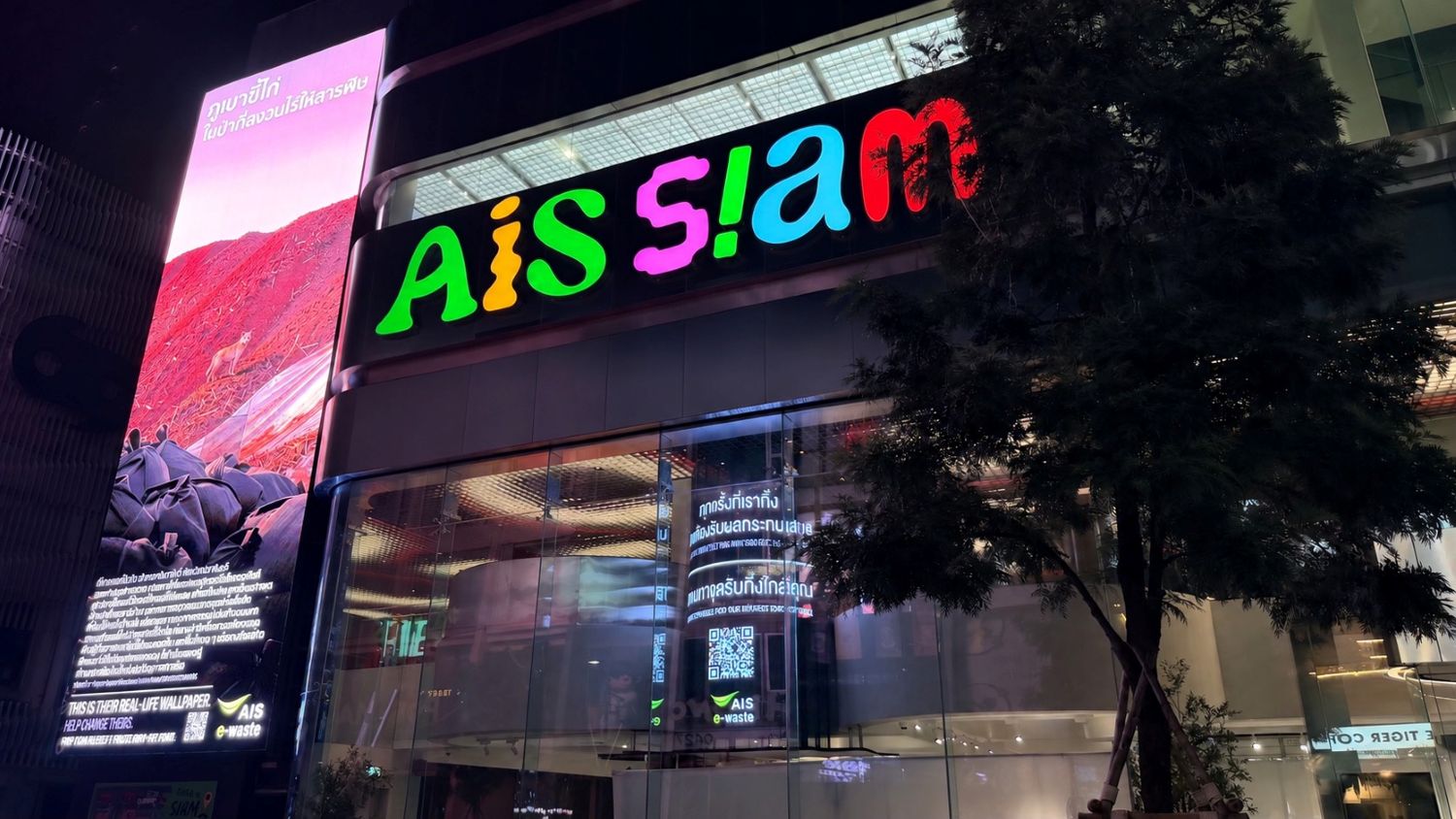
To encourage Thai households to dispose of E-Waste responsibly, AIS transformed AIS SIAM into an E-Waste awareness and collection space after closing hours on 20 November 2026. Under the “LET THE DEAD DO GOOD” campaign, part of the “Thais Say No to E-Waste” programme, AIS gave old electronic devices a meaningful final farewell, turning their last goodbye into one final good deed through recycling. Inspired by familiar Thai funeral traditions, the exhibition featured a memorial ceremony and an E-Waste coffin procession, showcasing once-loved devices, from phones to cameras that captured precious memories, followed by a symbolic cremation ceremony for E-Waste. Through this funeral-inspired experience, AIS highlighted the dangers of improper E-Waste disposal and encouraged Thais to give their old devices a meaningful final send-off by bringing them out of homes and taking them to AIS Shop branches and partner collection points for proper recycling, turning their final goodbye into one last good deed for the environment.
Since 2019, AIS has run the “Thais Say No to E-Waste” programme to raise awareness and promote responsible electronic waste management. The “LET THE DEAD DO GOOD” campaign builds on this work with a question rooted in consumer Insight. Why do people readily throw away broken mirrors, combs and other damaged household items, yet keep broken phones, faulty headphones and unused charging cables in drawers for years?
A 2026 survey conducted by the programme among 100 Thai respondents found that more than 70% lacked knowledge about proper E-Waste management. More than 50% did not know where to dispose of it and lacked an understanding of the potential impacts of keeping end-of-life devices. In addition, more than 60% of those who had yet to dispose of their E-Waste said they felt attached to their devices. These findings indicate that knowledge, confidence and emotional attachment all influence the decision to send E-Waste for proper treatment.
Some electronic devices contain hazardous substances such as lead, cadmium and mercury. Improper disposal or recycling can release these substances into soil and water, with long-term consequences for human health and the environment. Through the campaign, AIS aims to build understanding and encourage people to separate end-of-life devices from general waste and send them for proper treatment.
Thailand generates approximately 700,000 tonnes of electronic waste each year. According to the Pollution Control Department, less than 1% enters proper waste management processes. Small everyday devices, including phones, headphones and charging cables, present a collection challenge. Once broken or no longer used, they are often forgotten at home or discarded with general waste, making them difficult to collect for proper treatment.
The “LET THE DEAD DO GOOD” campaign launched on International E-Waste Day, 14 October 2026, at AIS SIAM under the “New Tech to Dead Tech” concept. After closing hours, storefront screens that normally advertised new phones switched to images of end-of-life phones and electronic devices, turning the retail media space into a prompt for reflection. The campaign also introduced Wallpaper featuring imagery and issues drawn from environmental and pollution news, encouraging people to pause, ask questions and consider the consequences of improper waste management. The Exhibition on the night of 20 November extended this communication from screens to hands-on participation. Houk & Bank, IT content creators with expertise in mobile phone repair, inspected devices brought by participants and advised which could be repaired and used again. Devices that could no longer be used received a symbolic E-Waste death certificate before being handed over to the AIS Shop E-Waste collection point at the event for proper treatment.
The “Thais Say No to E-Waste” programme currently works with more than 280 partner organisations and operates over 3,200 collection points nationwide. It has collected more than 1.3 million electronic waste items to date. Members of the public can bring old phones and end-of-life electronic devices to AIS Shop branches nationwide.
When bringing home a new phone, spare a thought for the old one that was once part of life’s many moments. Rather than leaving it forgotten in a drawer or throwing it away, give it a meaningful final goodbye at an E-Waste collection point. Even at the end of its life, dead technology still contains valuable materials that can be recovered and given a new purpose through proper recycling. It’s time to bring forgotten “dead” E-Waste out of our homes and give these devices one last chance to do good. LET THE DEAD DO GOOD by giving E-Waste a proper end for the sake of our environment.