



CAAT เร่งยกระดับสนามบินภูมิภาค หลังผู้โดยสาร 7 เดือนแตะ 85.16 ล้านคน พร้อมมาตรการลดค่าบริการ 50% จูงใจสายการบินเปิดเส้นทางใหม่

สำนักงานการบินพลเรือนแห่งประเทศไทย (CAAT) เดินหน้ายกระดับความพร้อมสนามบินภูมิภาคและระบบน่านฟ้า หลังการเดินทางทางอากาศของไทยในช่วงเดือนมกราคม–กรกฎาคม 2569 มีผู้โดยสารรวม 85.16 ล้านคน เพิ่มขึ้น 1.48% จากช่วงเดียวกันของปีก่อน พร้อมหนุนการเปิดเส้นทางบินใหม่สู่เมืองรอง โดยมีมาตรการลดค่าบริการสนามบิน 50% เข้ามาช่วยสร้างแรงจูงใจให้สายการบินขยายเครือข่าย
ตัวเลข 7 เดือนแรกแบ่งเป็นผู้โดยสารภายในประเทศ 39.26 ล้านคน เพิ่มขึ้น 1.64% และผู้โดยสารระหว่างประเทศ 45.91 ล้านคน เพิ่มขึ้น 1.34% ขณะที่เที่ยวบินภายในประเทศอยู่ที่ 281,896 เที่ยวบิน เพิ่มขึ้น 1.77%
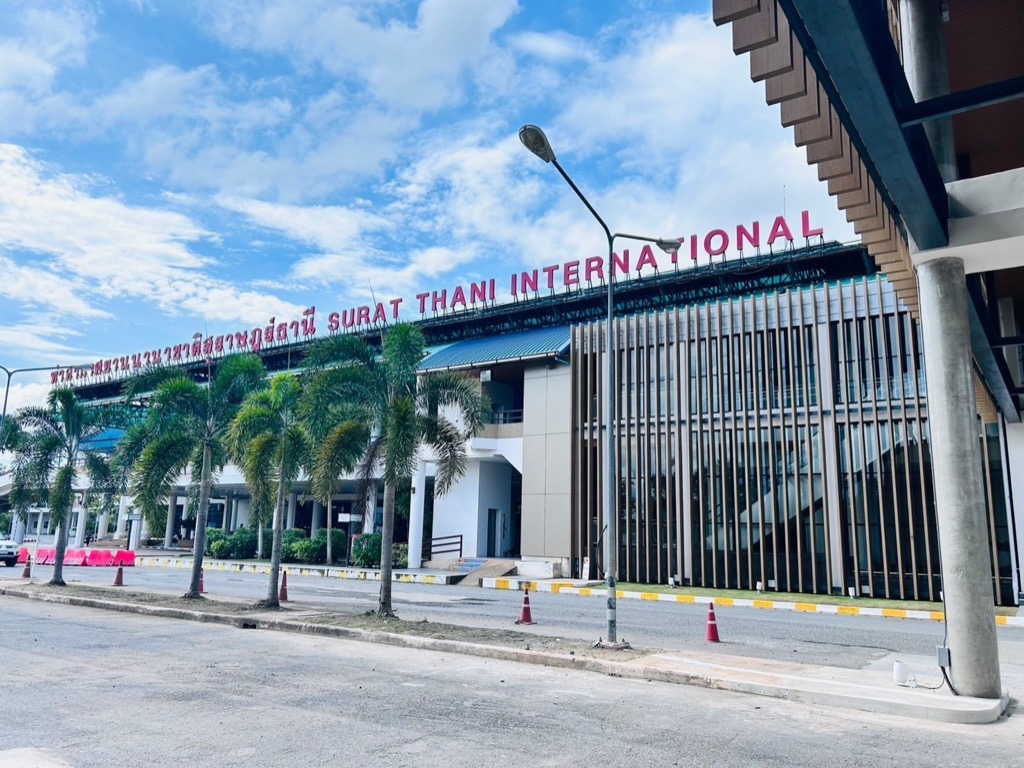
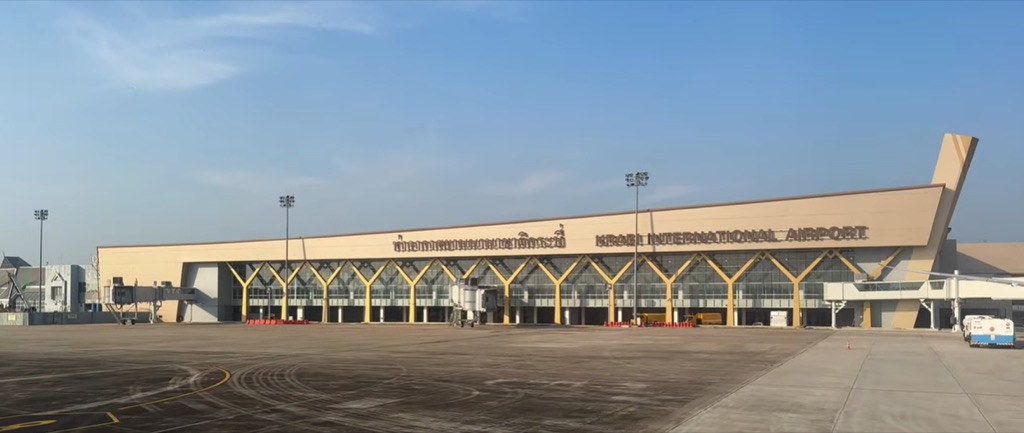
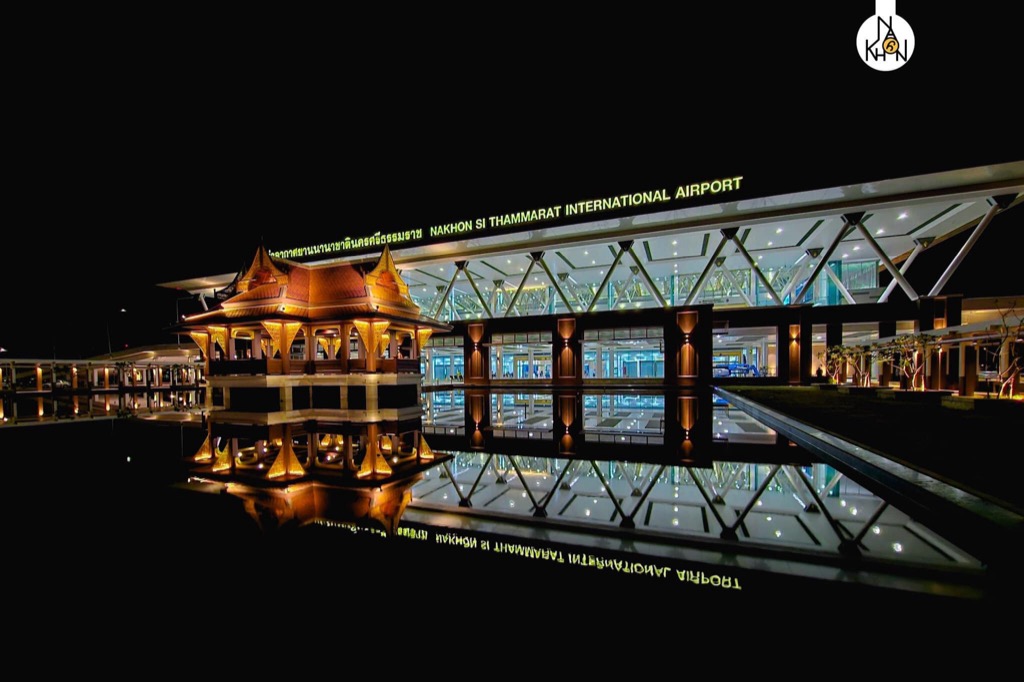
CAAT ระบุว่าความต้องการเดินทางไม่ได้กระจุกตัวเฉพาะสนามบินหลัก โดยข้อมูลกรมท่าอากาศยานในปี 2568 พบว่าสนามบินในความรับผิดชอบมีผู้โดยสารรวม 14.23 ล้านคน และมีสนามบินศักยภาพสูง 6 แห่ง ได้แก่ สุราษฎร์ธานี อุบลราชธานี ขอนแก่น นครศรีธรรมราช อุดรธานี และกระบี่ มีผู้โดยสารเฉลี่ย 2,500–5,000 คนต่อวัน
ด้านเส้นทางระหว่างประเทศ แม้จำนวนเที่ยวบินรวมลดลง 1.63% เหลือ 263,598 เที่ยวบิน แต่เส้นทางระหว่างไทยกับยุโรปยังขยายตัว โดยมีเที่ยวบินรวม 16,998 เที่ยวบิน เพิ่มขึ้น 9.02% ส่วนหนึ่งจากแนวโน้มผู้โดยสารเลือกเที่ยวบินตรงมากขึ้นแทนการต่อเครื่องผ่านตะวันออกกลาง
CAAT จึงวางแนวทางพัฒนาสนามบินภูมิภาคโดยให้ระดับการลงทุนและบริการสอดคล้องกับศักยภาพของแต่ละพื้นที่ ครอบคลุมตั้งแต่การประเมินขีดความสามารถและความปลอดภัยของสนามบิน การพัฒนาระบบน่านฟ้าและบริหารจราจรทางอากาศ การนำ Aerodrome Flight Information Service หรือ AFIS มาใช้ตามความเหมาะสม ไปจนถึงการกำกับสายการบินและเส้นทางใหม่ตามมาตรฐาน

พลอากาศเอก มนัท ชวนะประยูร ผู้อำนวยการ CAAT กล่าวว่า “หัวใจของแนวคิด ‘สนามบินเล็ก มาตรฐานไม่เล็ก’ คือ สนามบินแต่ละแห่งไม่จำเป็นต้องเติบโตในรูปแบบเดียวกัน แต่ต้องได้รับการพัฒนาให้เหมาะสมกับศักยภาพ ความต้องการ และบริบทของพื้นที่ โดยมีมาตรฐานความปลอดภัยเป็นรากฐานสำคัญ”
ควบคู่กัน กรมท่าอากาศยานดำเนินแนวคิด Airport For Regional Development พร้อมลดค่าบริการขึ้นลงอากาศยานและค่าบริการที่เก็บอากาศยาน 50% ทั้งเส้นทางในประเทศและระหว่างประเทศ โดยสายการบินใหม่ได้รับส่วนลด 6 เดือน ส่วนเส้นทางบินใหม่ได้รับส่วนลด 1 ปี มาตรการมีผลตั้งแต่วันที่ 10 สิงหาคม 2569 ถึง 9 สิงหาคม 2570
แนวทางดังกล่าวมีเป้าหมายเพิ่มความพร้อมของสนามบินและลดต้นทุนในการเปิดเส้นทางใหม่ เพื่อเชื่อมเมืองรองเข้าสู่โครงข่ายการบิน เพิ่มทางเลือกการเดินทาง และต่อยอดโอกาสด้านการท่องเที่ยว การค้า และการลงทุนในภูมิภาค โดยการเปิดเส้นทางหรือเพิ่มความถี่ยังคงขึ้นอยู่กับการพิจารณาทางธุรกิจของแต่ละสายการบิน
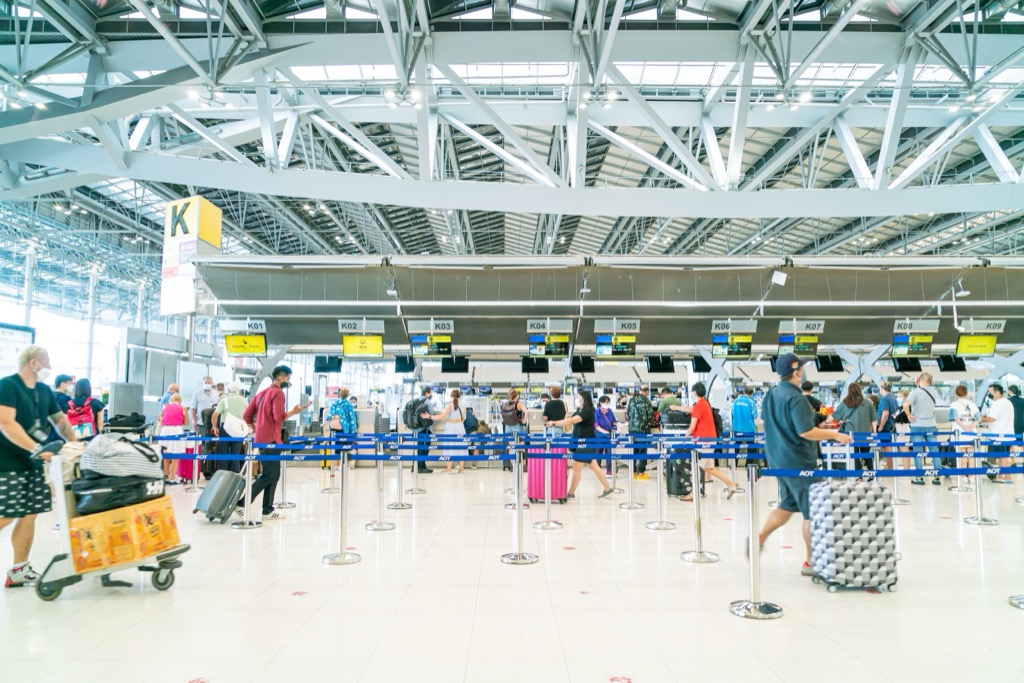
CAAT Steps Up Regional Airport Readiness as Thailand Records 85.16 Million Passengers, Supports New Routes with 50% Fee Discounts
The Civil Aviation Authority of Thailand (CAAT) is moving to strengthen regional airports and airspace infrastructure after Thailand recorded 85.16 million air passengers between January and July 2026, up 1.48% from the same period last year. The strategy is being paired with a 50% airport fee reduction designed to encourage airlines to launch new routes to regional destinations.
Domestic passenger traffic reached 39.26 million, up 1.64%, while international passenger numbers rose 1.34% to 45.91 million. Domestic flight movements totaled 281,896, an increase of 1.77%.
CAAT said air travel demand is extending beyond Thailand’s major aviation hubs. Department of Airports data for 2025 showed that airports under its responsibility handled 14.23 million passengers. Six high-potential airports — Surat Thani, Ubon Ratchathani, Khon Kaen, Nakhon Si Thammarat, Udon Thani and Krabi — each handled an average of 2,500 to 5,000 passengers per day.
International flight movements totaled 263,598 during the first seven months of 2026, down 1.63%. Thailand-Europe services, however, continued to expand, reaching 16,998 flights, up 9.02%. CAAT attributed part of the increase to airlines adjusting their services and more passengers choosing direct flights instead of connecting through the Middle East.
CAAT is therefore tailoring regional airport development to the role, traffic level and potential of each location. The framework covers airport capacity and safety standards, airspace and air traffic management, the appropriate use of Aerodrome Flight Information Service or AFIS, and regulatory oversight of airlines and new routes.
Air Chief Marshal Manat Chavanaprayoon, Director General of CAAT, said, “The heart of the ‘small airport, uncompromised standards’ approach is that each airport does not need to grow in the same way, but it must be developed in line with its potential, demand and local context, with safety standards as the key foundation.”
In parallel, the Department of Airports is implementing its Airport For Regional Development initiative, offering a 50% reduction in aircraft landing and parking charges for both domestic and international services. New airlines can receive the discount for six months, while new routes are eligible for one year. The measure runs from August 10, 2026 to August 9, 2027.
The combined approach is intended to strengthen airport readiness while lowering the cost of opening new services, helping connect secondary cities to Thailand’s aviation network and creating further opportunities for tourism, trade and investment. Decisions on launching routes or increasing frequencies will remain subject to each airline’s commercial assessment.