

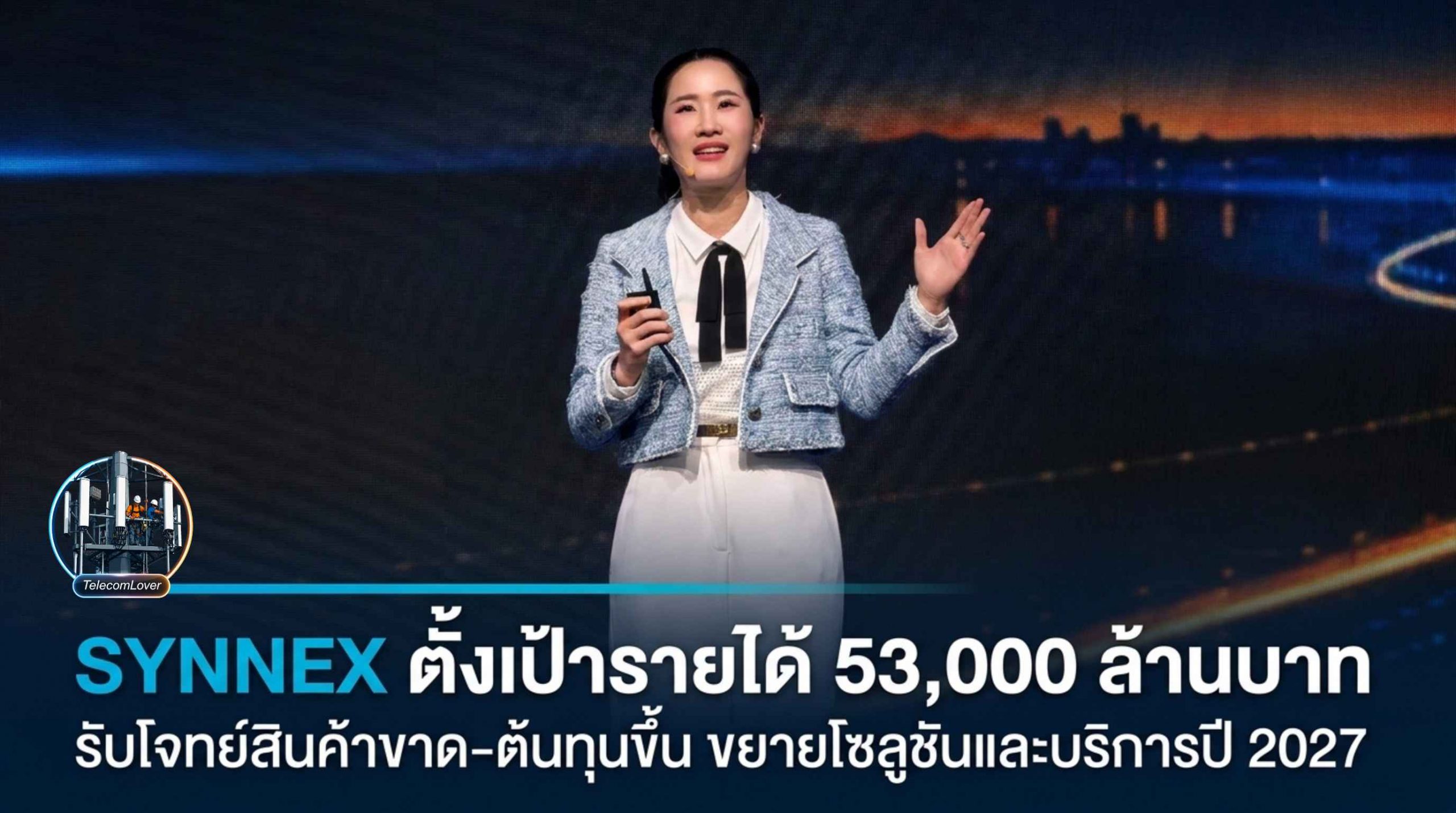
SYNNEX คงเป้ารายได้ปี 2026 ที่ 53,000 ล้านบาท รับมือสินค้าขาดและต้นทุนไอทีขาขึ้น พร้อมขยายโซลูชัน บริการ สินเชื่อ และธุรกิจ Robotics
SYNNEX เดินหน้าสู่เป้ารายได้ปี 2026 ที่ 53,000 ล้านบาท พร้อมวางทิศทางปี 2027 ขยายธุรกิจจากการจัดจำหน่ายสินค้าไอทีไปสู่ Solution, Service, Platform และ Ecosystem ท่ามกลางการแข่งขันแย่งซัพพลายจากความต้องการลงทุนด้าน AI ซึ่งอาจทำให้ราคาอุปกรณ์เทคโนโลยีบางกลุ่มปรับขึ้นต่อเนื่อง
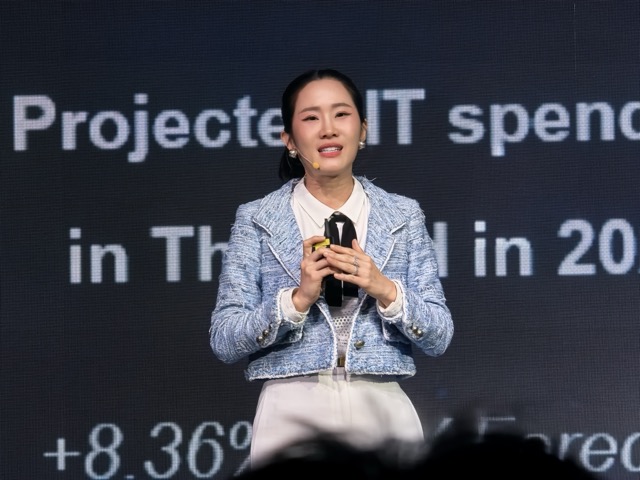
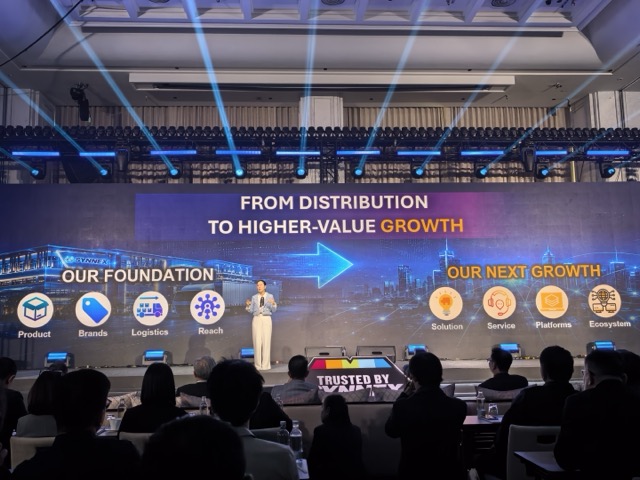
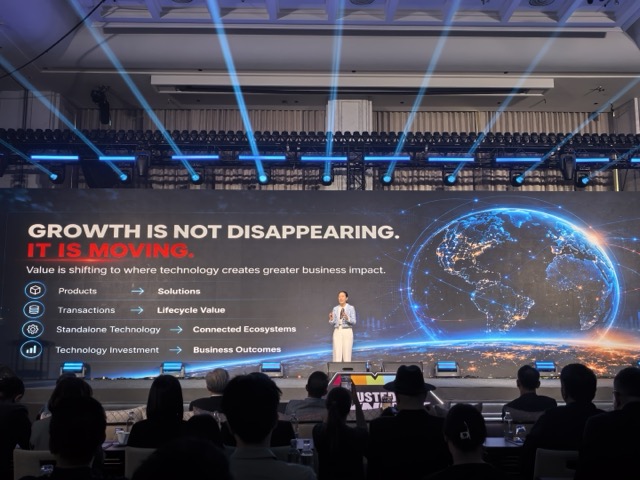
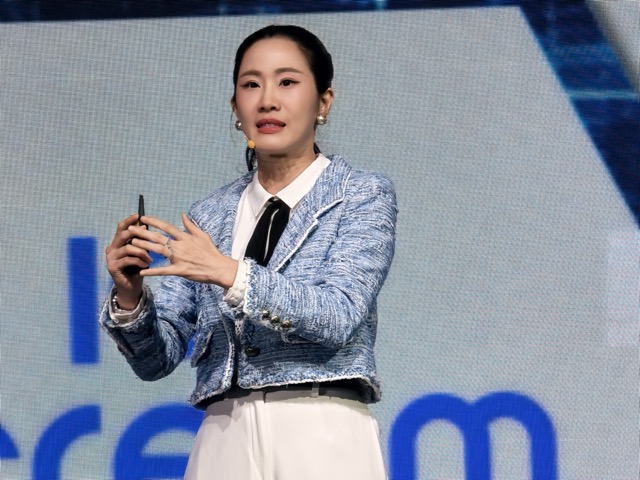
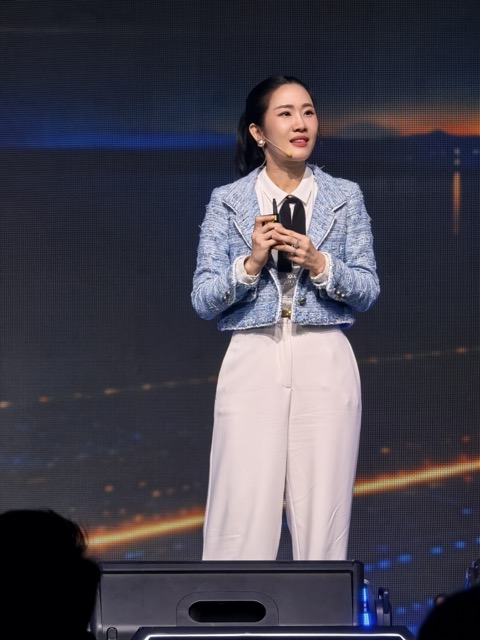
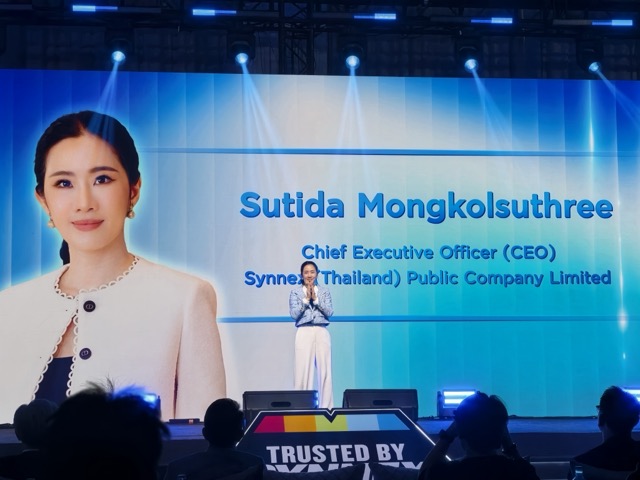
นางสาวสุธิดา มงคลสุธี ประธานเจ้าหน้าที่บริหาร บริษัท ซินเน็ค (ประเทศไทย) จำกัด (มหาชน) มองว่าการเติบโตของตลาดเทคโนโลยีกำลังย้ายจากการขายสินค้าเป็นชิ้น ไปสู่การสร้างโซลูชันที่ช่วยแก้โจทย์ธุรกิจ ดูแลลูกค้าได้ตลอดอายุการใช้งาน และเชื่อมเทคโนโลยีหลายส่วนให้ทำงานร่วมกัน ทิศทางของ SYNNEX จึงเน้นการเพิ่มมูลค่าจากฐานผลิตภัณฑ์ แบรนด์ โลจิสติกส์ และเครือข่ายที่มีอยู่
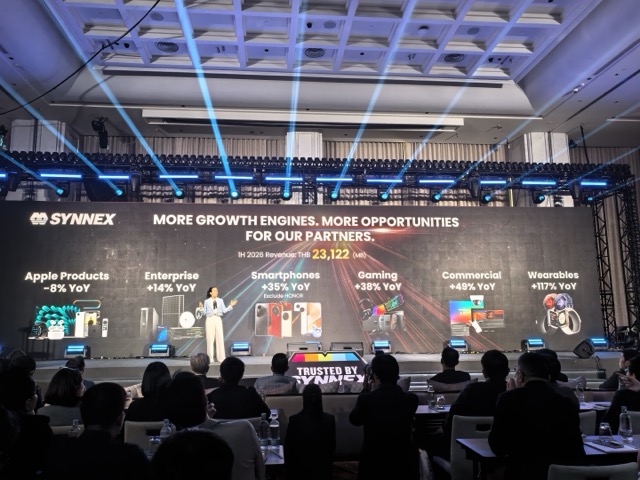
ครึ่งปีแรก 2026 SYNNEX ทำรายได้ 23,122 ล้านบาท โดย Wearables เติบโต 117% Commercial 49% Gaming 38% สมาร์ตโฟน 35% เมื่อไม่รวม HONOR และ Enterprise 14% ส่วนสินค้า Apple ลดลง 8% จากปัญหาสินค้าขาดตั้งแต่ต้นปี อย่างไรก็ตาม บริษัทยังคงเป้ารายได้ทั้งปีไว้ที่ 53,000 ล้านบาท เนื่องจากยอดขายสินค้าเทคโนโลยีมักมีน้ำหนักในครึ่งปีหลัง ซึ่งเป็นช่วงเปิดตัวผลิตภัณฑ์ใหม่หลายกลุ่ม
สำหรับ Apple ประเด็นที่นางสาวสุธิดากังวลมากกว่าการปรับราคาคือปริมาณสินค้าที่จะได้รับ โดยเฉพาะรุ่นระดับบนซึ่งมักขายได้เร็วที่สุดในล็อตแรก การที่ไทยเป็นหนึ่งในประเทศกลุ่มแรกที่เริ่มจำหน่ายพร้อมตลาดหลัก ยังทำให้มีผู้ซื้อจากต่างประเทศเข้ามาเพิ่มความต้องการในช่วงเปิดขายด้วย
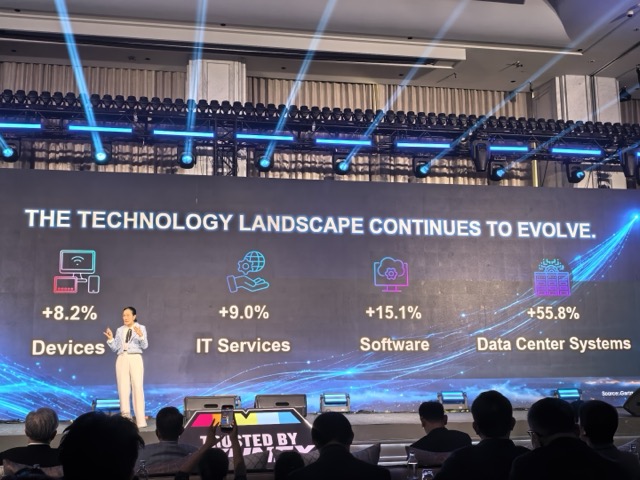
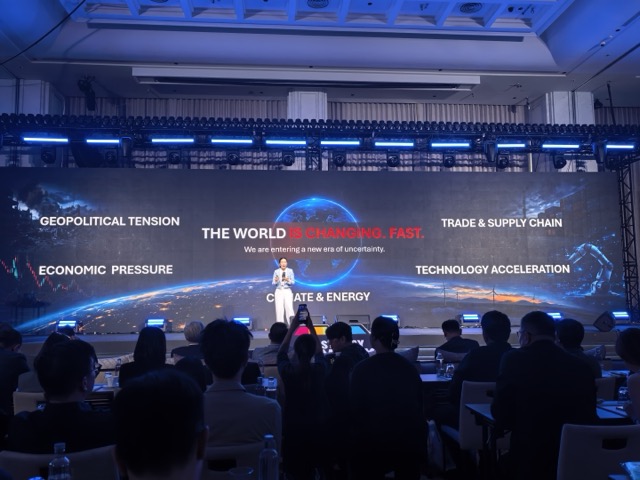
แรงลงทุนด้าน AI มีผลต่อตลาดไอทีสองทาง ด้านหนึ่งช่วยเพิ่มความต้องการใช้เทคโนโลยี แต่อีกด้านทำให้ Hyperscaler ต้องการชิ้นส่วนจำนวนมากและเข้ามาแข่งขันด้านซัพพลายกับตลาดอุปกรณ์ทั่วไป โดยเฉพาะ Memory และ Storage ซึ่งมีแนวโน้มปรับราคาขึ้นต่อเนื่องถึงสิ้นปี สินค้าบางกลุ่มที่เข้ามาไม่ทันยังทำให้งานโครงการต้องเปลี่ยนรุ่นหรือเปลี่ยนแบรนด์เพื่อให้ส่งมอบได้ตามกำหนด
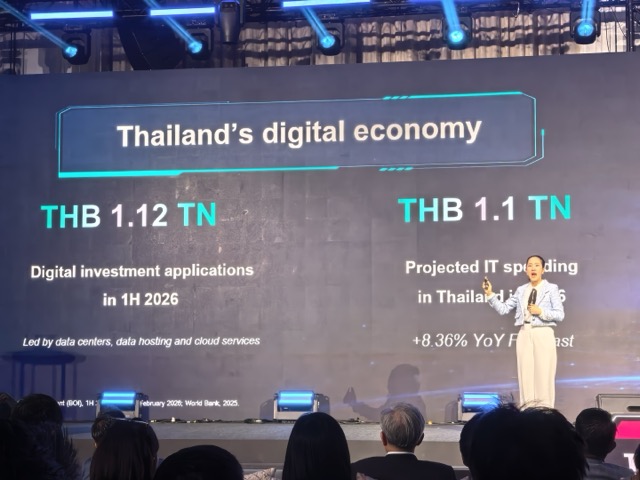
แม้เศรษฐกิจไทยยังไม่เห็นสัญญาณฟื้นตัวชัดเจน แต่เทคโนโลยียังคงเป็นสิ่งที่ภาคธุรกิจต้องลงทุน ความต้องการจึงเปลี่ยนจากการจ่ายเงินก้อนใหญ่ ไปสู่ทางเลือกที่ช่วยกระจายต้นทุน SYNNEX ให้น้ำหนักกับบริการทางการเงิน Cloud และซอฟต์แวร์แบบ Subscription มากขึ้น รวมถึงมองถึงรูปแบบให้เช่าโน้ตบุ๊ก เพื่อให้ลูกค้าองค์กรนำเทคโนโลยีไปใช้โดยไม่ต้องรับภาระเงินลงทุนทั้งหมดในครั้งเดียว
การขยายธุรกิจบริการเริ่มจาก Service Point ซึ่งเดิมดูแลงานหลังการขายและศูนย์บริการของหลายแบรนด์ทั่วประเทศ ต่อไปจะเพิ่มงานสนับสนุนก่อนขาย การติดตั้ง และบริการ On-site เพื่อรองรับสินค้าหลากหลายขึ้น ตั้งแต่อุปกรณ์ไอที ระบบกล้องวงจรปิด ไปจนถึงโซลาร์
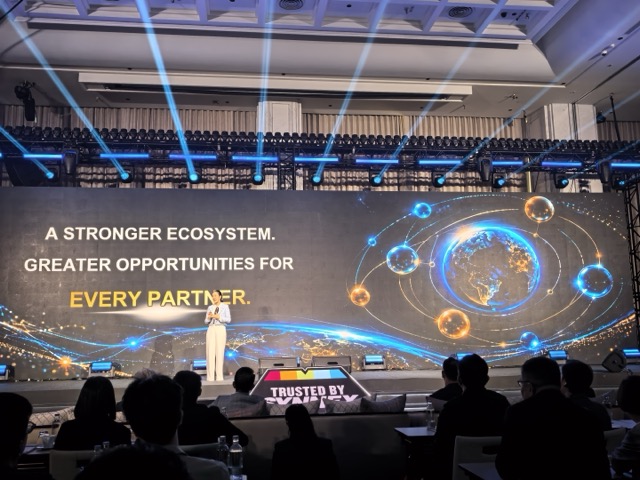
ส่วน SWOPMART จะเชื่อม SYNNEX เข้ากับตลาดสินค้าไอทีมือสอง เริ่มจากบริการ Trade-In โทรศัพท์มือถือ ลูกค้าสามารถนำเครื่องเดิมมาประเมินราคาและใช้มูลค่าที่ได้รับซื้อเครื่องใหม่ ขณะที่ความพร้อมด้านช่างและการตรวจสอบอุปกรณ์จะถูกนำมาใช้ต่อยอดการจำหน่ายสินค้ามือสองด้วย
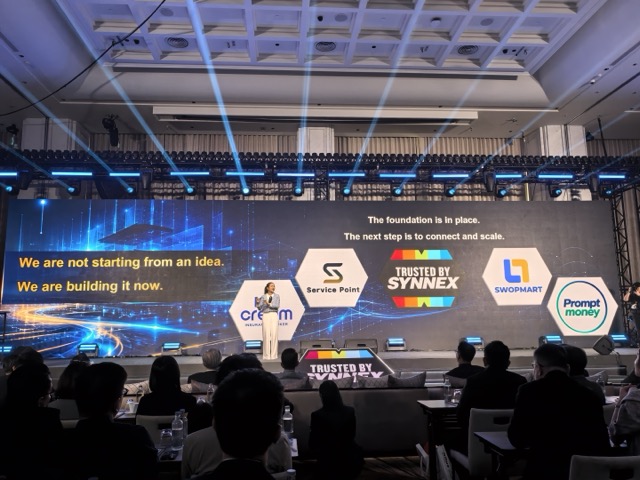
ด้าน Device Financing SYNNEX ร่วมกับ Prompt Money พัฒนาบริการที่เริ่มจากโทรศัพท์มือถือ สามารถเชื่อมต่อระบบร้านค้าผ่าน API และใช้ AI ช่วยพิจารณาเครดิต โดยกรณีที่ขั้นตอนไม่ซับซ้อนอาจได้รับผลการพิจารณาภายในประมาณ 3 นาที ช่วยให้ร้านค้าเสนอทางเลือกผ่อนชำระโดยไม่ต้องรับความเสี่ยงด้านสินเชื่อไว้เอง
อีกส่วนเป็นความร่วมมือกับพันธมิตรนายหน้าประกันภัย พัฒนาบริการ SYNNEX Care Plus สำหรับซื้อความคุ้มครองเพิ่มเติม เมื่อเชื่อมกับ Service Point, SWOPMART และ Prompt Money เส้นทางการให้บริการจึงครอบคลุมตั้งแต่การซื้อสินค้า การจัดหาเงินทุน การรับประกันและดูแลหลังการขาย ไปจนถึงการนำเครื่องเก่ากลับมาแลกซื้อรุ่นใหม่
ธุรกิจที่ต้องติดตามในไตรมาส 4 คือ Robotics ซึ่ง SYNNEX อยู่ระหว่างหารือกับผู้ผลิต โดยเบื้องต้นให้น้ำหนักกับตลาด Commercial และภาคอุตสาหกรรม รูปแบบที่พิจารณามีทั้งแขนกล หุ่นยนต์ Humanoid และหุ่นยนต์ลักษณะสัตว์สำหรับนำไปทำงานเฉพาะทาง ส่วนแบรนด์ ราคา และกำหนดจำหน่ายยังไม่มีการยืนยัน
ทิศทางครั้งนี้ทำให้บทบาทของพาร์ทเนอร์ขยายจากการขายอุปกรณ์ ไปสู่งานออกแบบ ติดตั้ง ดูแลระบบ จัดหาเงินทุน และรองรับการอัปเกรดในอนาคต ขณะที่ระยะสั้น การบริหารพอร์ตสินค้าและการหาอุปกรณ์ทดแทนจะมีผลต่อการปิดการขายมากขึ้นในช่วงที่ซัพพลายบางกลุ่มยังตึงตัวและต้นทุนยังเพิ่มขึ้น
SYNNEX Targets THB 53 Billion Revenue as It Expands Solutions and Services for 2027
SYNNEX is maintaining its 2026 revenue target of THB 53 billion while preparing to expand beyond product distribution into solutions, services, platforms and a broader partner ecosystem in 2027. Its immediate challenge is securing sufficient product supply as AI-driven infrastructure demand pushes up competition for components and keeps technology costs on an upward trend.
The company recorded revenue of THB 23.122 billion in the first half of 2026. Wearables grew 117% year on year, followed by Commercial products at 49%, Gaming at 38%, Smartphones at 35% excluding HONOR, and Enterprise products at 14%. Apple sales declined 8%, primarily because of product shortages since the beginning of the year.
SYNNEX expects revenue to be weighted more heavily toward the second half, when many major product launches take place. For Apple products, the company is more concerned about supply availability than higher prices. Premium models usually move fastest during the initial launch period, with the new top-tier models expected to face the greatest supply pressure.
AI is creating both growth and supply challenges for the technology market. Demand from hyperscalers is competing with the broader device market for components, particularly memory and storage. SYNNEX expects prices in these categories to continue rising through the end of the year, while shortages could force some enterprise projects to switch product models or brands to meet delivery schedules.
The Thai economy has yet to show a clear recovery, but businesses still need to invest in technology. The difference is that many customers are becoming more cautious about making large upfront payments. This is increasing demand for project financing, cloud services, subscription software and, potentially, notebook leasing models that distribute costs over time.
SYNNEX is responding by connecting several services across the technology lifecycle. Service Point is expanding beyond after-sales support and service-centre operations into pre-sales assistance, installation and on-site services. These capabilities will support a wider range of products and projects, including surveillance systems and solar solutions.
SWOPMART is extending the business into the used-device market, beginning with smartphone trade-ins. Customers can sell their existing devices and apply the value toward a new purchase, while SYNNEX can use its technical and inspection capabilities to prepare used devices for resale.
For device financing, SYNNEX is working with Prompt Money on a platform that initially supports smartphone purchases. The system can be connected to retailers through an API and uses AI to assist with credit assessment. Straightforward applications may receive a decision in approximately three minutes.
The ecosystem also includes an insurance partner offering additional device protection under SYNNEX Care Plus. Together, these services create a connected customer journey covering device purchase, financing, protection, after-sales support and eventual trade-in for a newer model.
Robotics is another area to watch. SYNNEX is in discussions with manufacturers and expects to provide greater clarity in the fourth quarter of 2026. The initial focus is likely to be commercial and industrial applications, with the company evaluating robotic arms, humanoid robots and animal-like robots designed for specific tasks. No brand, pricing or launch schedule has been confirmed.
For SYNNEX partners, the business opportunity is shifting from a single hardware transaction toward recurring revenue throughout the technology lifecycle. Product availability, financing options, installation, maintenance and future upgrades will become increasingly important as customers seek measurable business outcomes while managing tighter investment budgets.
Further details are available in the full press release.