



สมาคมโทรคมนาคมฯ เสนอรัฐลดความซับซ้อนอนุมัติเคเบิลใต้น้ำที่ต้องประสานกว่า 15 หน่วยงาน รองรับ AI และคลาวด์ คาดไทยต้องการแบนด์วิธต่างประเทศเกิน 40 Tbps ภายในปี 2573
สมาคมโทรคมนาคมแห่งประเทศไทย ในพระบรมราชูปถัมภ์ หรือ TCT เสนอให้ภาครัฐเร่งปรับกระบวนการอนุมัติโครงการเคเบิลใต้น้ำ ซึ่งปัจจุบันต้องประสานงานกับหน่วยงานรัฐกว่า 15 แห่ง โดยมองว่าการลดความซับซ้อนของขั้นตอนและการคุ้มครองโครงข่ายเป็นปัจจัยสำคัญในการดึงดูดการลงทุนและพัฒนาไทยสู่ศูนย์กลางดิจิทัลระดับภูมิภาค
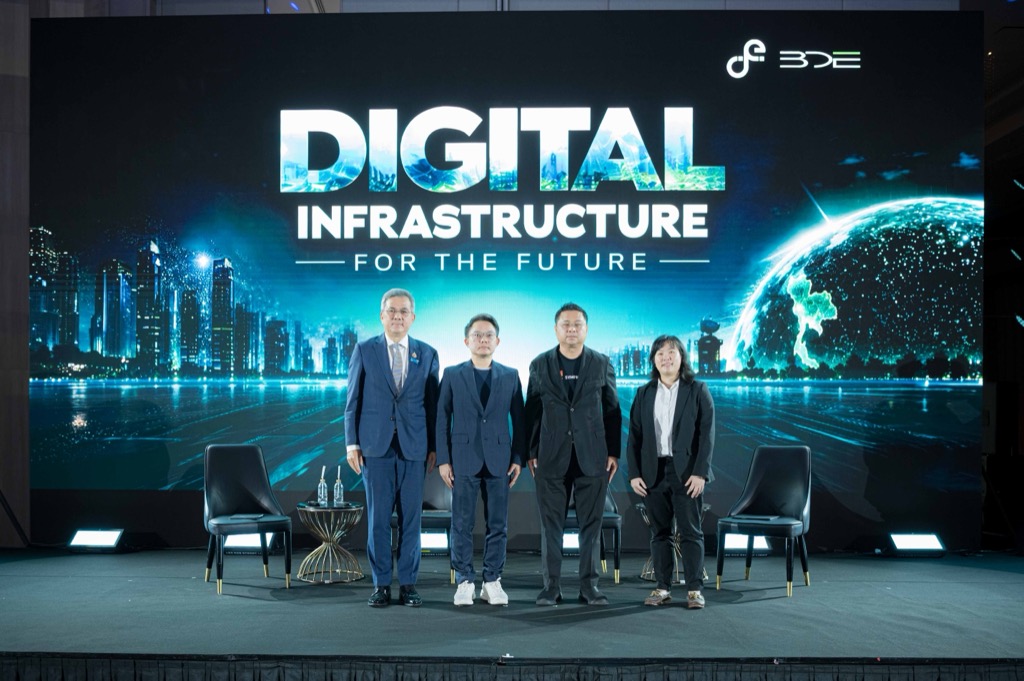
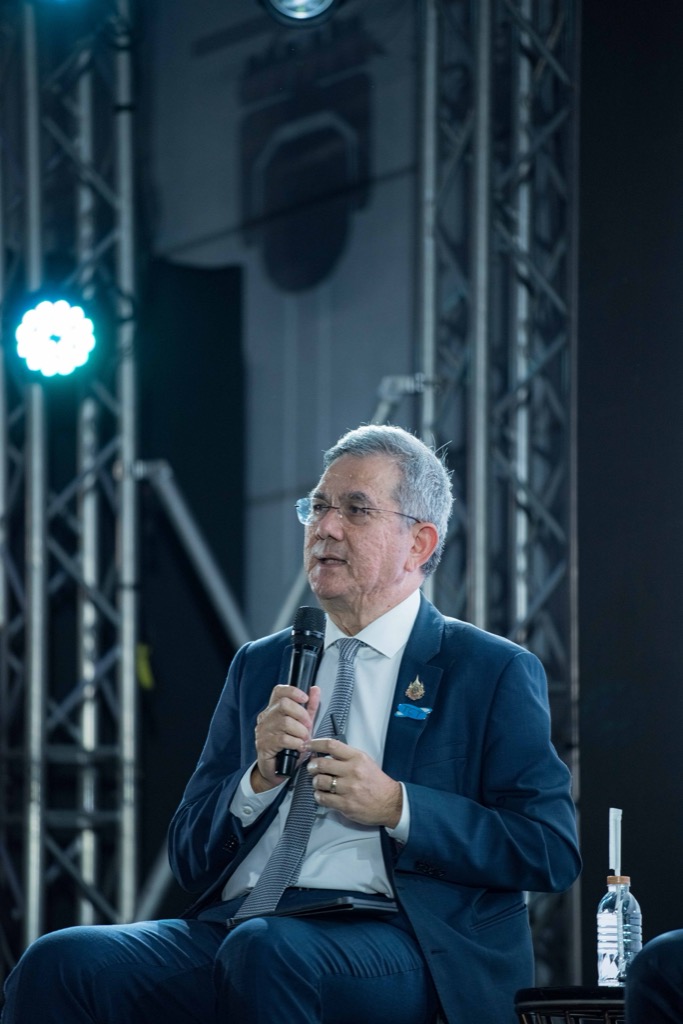
นายจักรกฤษณ์ อุไรรัตน์ นายกสมาคมฯ กล่าวในงานสัมมนา “Digital Infrastructure for the Future” ซึ่งจัดโดยสำนักงานคณะกรรมการดิจิทัลเพื่อเศรษฐกิจและสังคมแห่งชาติ ร่วมกับกระทรวงดิจิทัลเพื่อเศรษฐกิจและสังคม ว่า การเติบโตของ AI คลาวด์ และ 5G กำลังทำให้ความต้องการเชื่อมต่อข้อมูลระหว่างประเทศเพิ่มขึ้นในเชิงโครงสร้าง
สมาคมฯ เสนอให้ไทยใช้ข้อได้เปรียบด้านภูมิศาสตร์พัฒนาบทบาทเป็นจุดเชื่อมต่อข้อมูลเชิงยุทธศาสตร์ เพื่อเพิ่มความหลากหลายของเส้นทางสื่อสารระหว่างประเทศและความมั่นคงของโครงข่าย
ข้อมูลในข่าวประชาสัมพันธ์ระบุว่า ความต้องการแบนด์วิธระหว่างประเทศของไทยมีแนวโน้มเพิ่มจาก 25 Tbps เป็นมากกว่า 40 Tbps ภายในปี 2573 โดยไทยมีสถานีเคเบิลขึ้นฝั่งในจังหวัดชลบุรี ระยอง และสงขลาทางฝั่งอ่าวไทย รวมถึงจังหวัดสตูลทางฝั่งอันดามัน เชื่อมต่อกับระบบเคเบิลระหว่างประเทศหลายเส้นทาง
TCT มองว่าทำเลระหว่างอินเดีย อาเซียน และเอเชียตะวันออก ตลอดจนความเป็นกลางทางภูมิรัฐศาสตร์ตามมุมมองของสมาคมฯ เป็นข้อได้เปรียบในการดึงดูดเส้นทางรับส่งข้อมูลทางเลือก โดยข่าวประชาสัมพันธ์อ้างการคาดการณ์มูลค่าตลาดเคเบิลใต้น้ำในเอเชียแปซิฟิกช่วงปี 2568–2570 ที่ 1.3 หมื่นล้านดอลลาร์สหรัฐฯ หรือประมาณ 4.5 แสนล้านบาท
อย่างไรก็ตาม สมาคมฯ ระบุว่ายังมีความท้าทายด้านขั้นตอนอนุมัติ กฎหมาย และการคุ้มครองเคเบิลใต้น้ำ จึงเสนอให้ภาครัฐบูรณาการการทำงานเพื่อลดข้อจำกัดด้านกฎระเบียบและเพิ่มความรวดเร็วในการอนุมัติ โดยมีเป้าหมายรองรับการเชื่อมต่อระหว่างประเทศและดึงดูดการลงทุนดาต้าเซ็นเตอร์
TCT Calls for Faster Submarine Cable Approvals to Support Thailand’s AI and Cloud Infrastructure
The Telecommunications Association of Thailand under the Royal Patronage (TCT) has urged the government to streamline submarine cable project approvals, which currently require coordination with more than 15 government agencies. The association sees simpler approval procedures and stronger network protection as important steps toward attracting investment and developing Thailand into a regional digital hub.
Speaking at “Digital Infrastructure for the Future,” organized by the Office of the National Digital Economy and Society Commission and the Ministry of Digital Economy and Society, TCT’s president said AI, cloud computing and 5G were driving structural growth in demand for international connectivity.
The association proposed using Thailand’s geographical position to develop its role as a strategic interconnection point, providing more diverse international communications routes and improving network resilience.
According to the release, Thailand’s international bandwidth demand is expected to rise from 25 Tbps to more than 40 Tbps by 2030. Its submarine cable landing locations include Chon Buri, Rayong and Songkhla on the Gulf of Thailand, and Satun on the Andaman coast, connecting the country to multiple international cable systems.
TCT sees Thailand’s location between India, ASEAN and East Asia, together with what it describes as geopolitical neutrality, as advantages in attracting alternative data routes. The release cites an estimated Asia-Pacific submarine cable market value of $13 billion, approximately 450 billion baht, during 2025–2027.
The association identified complex approval procedures, legal issues and submarine cable protection as challenges. It called for coordinated government action to simplify regulations and accelerate approvals, with the aim of supporting international connectivity and attracting data center investment.