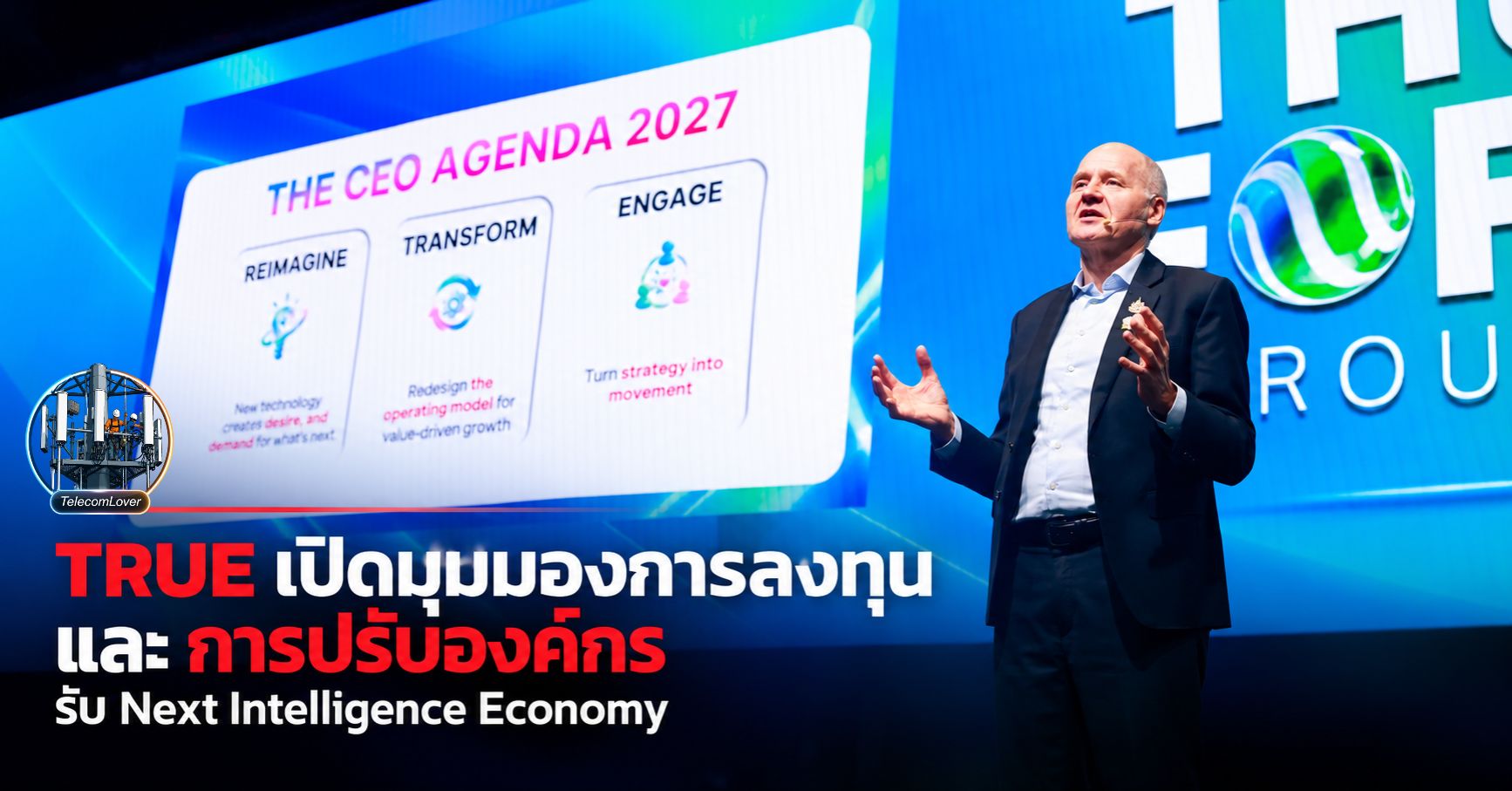
เวที Thailand Foresight Roundtable 2026 by True ชี้ AI พัฒนาเร็วขึ้นเท่าตัวทุก 3 เดือน ด้านพลังงานเร่งแผนเพิ่มไฟสะอาดเป็น 50% ภายใน 10 ปี รองรับการลงทุน Data Center
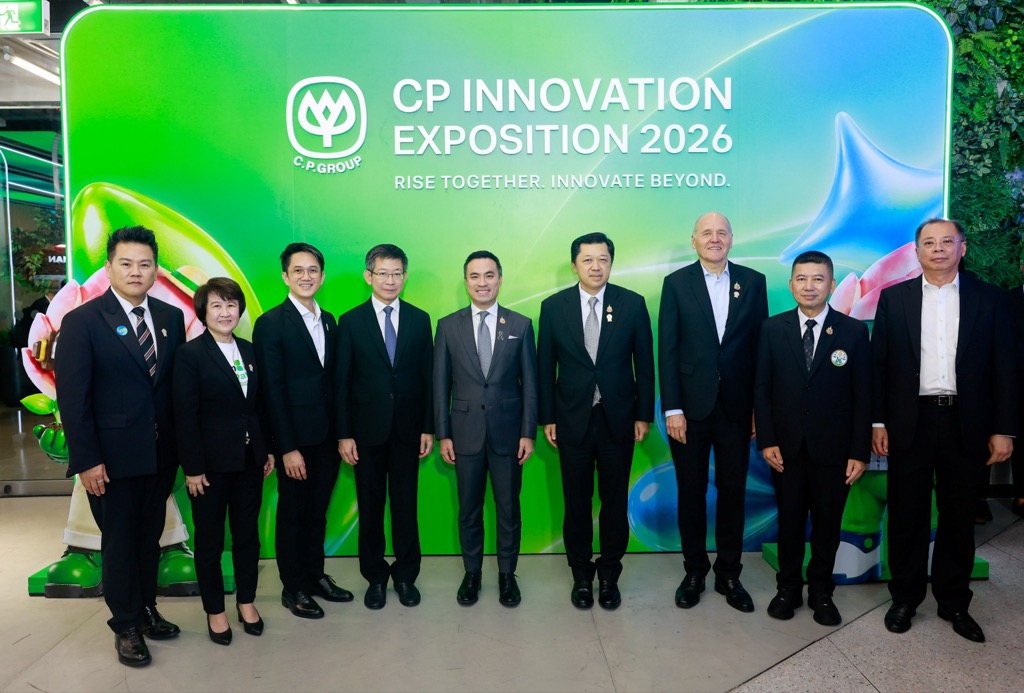
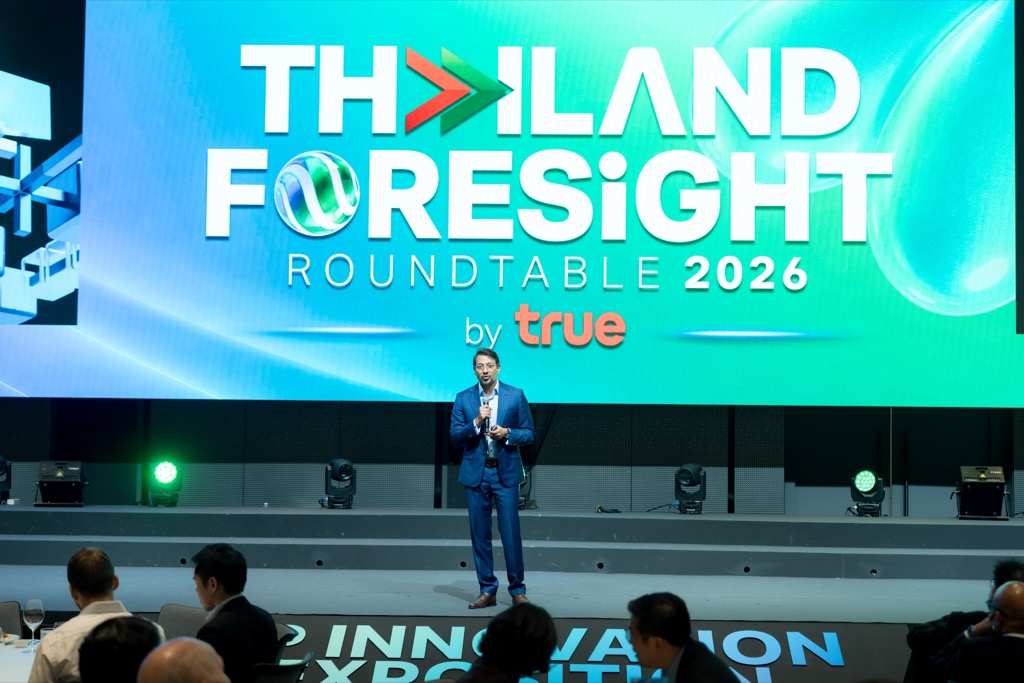
โลกกำลังเปิดโอกาสอะไรบ้างให้กับเรา ท่ามกลางความเปลี่ยนแปลงอย่างรวดเร็ว โดยเฉพาะการพัฒนาของ AI ที่เร่งให้ทุกคนต้องปรับตัว เพื่อก้าวสู่โลกเศรษฐกิจอัจฉริยะได้อย่างแข็งแกร่ง เครือซีพี และทรู คอร์ปอเรชั่น ได้เปิดเวที “Thailand Foresight Roundtable 2026 by True” โดยมีผู้นำภาครัฐ และเอกชน มาร่วมถอดรหัสความท้าทาย แชร์มุมมองการเตรียมความพร้อมของประเทศไทย ในหัวข้อ THAILAND’S FUTURE INNOVATION FRONTIER : ประเทศไทยในกระแสเศรษฐกิจโลกยุค Next Intelligence Economy ในงาน CP Innovation Exposition 2026 ในโอกาสนี้ นายศุภชัย เจียรวนนท์ รองประธานอาวุโสและประธานคณะกรรมการด้านนวัตกรรม เครือเจริญโภคภัณฑ์ ร่วมต้อนรับผู้ร่วมงาน ณ ทรู ดิจิทัล พาร์ค
ไฟฟ้าสะอาดต้องพร้อมในโลก AI
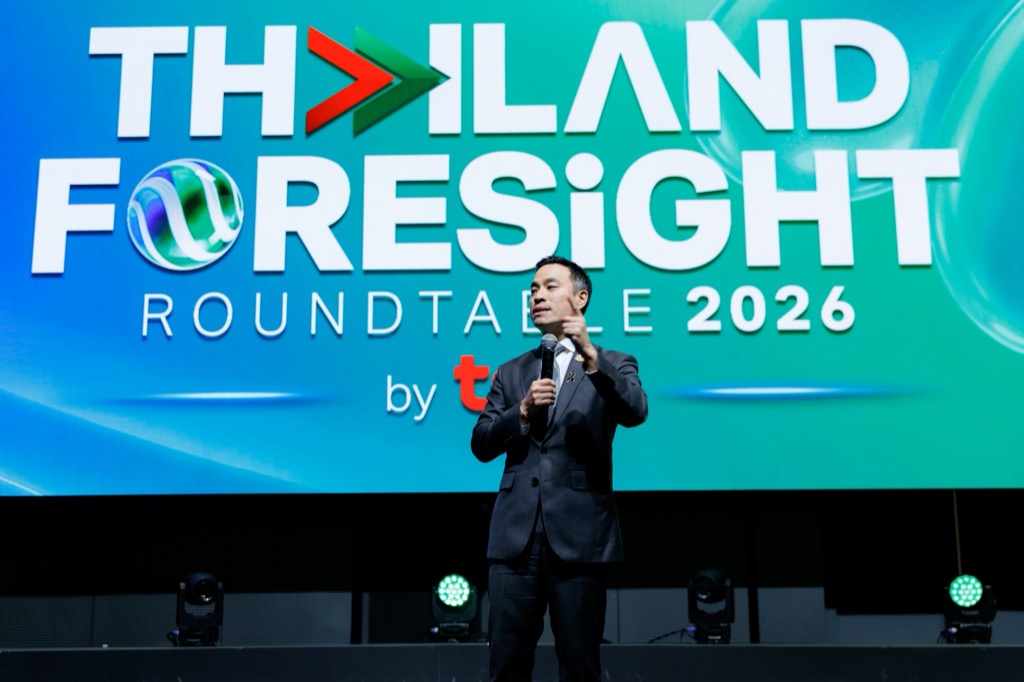
นายเอกนัฏ พร้อมพันธุ์ รัฐมนตรีว่าการกระทรวงพลังงาน ให้เกียรติเป็นประธานและกล่าวปาฐกถาพิเศษถึงความพร้อมด้านพลังงาน เพื่อรองรับเศรษฐกิจอัจฉริยะยุคใหม่ ในหัวข้อ “Thailand’s Next Growth Infrastructure พลังงานและโครงสร้างพื้นฐาน: รากฐานสำคัญของการเติบโตประเทศไทย” ที่ให้ความมั่นใจว่า รัฐได้วางแผนและเตรียมพร้อมอย่างเต็มที่ เพราะพลังงานไฟฟ้าจะเป็นแต้มต่อสำคัญให้ไทยแข่งขันได้ ไทยมีกำลังการผลิตไฟฟ้ามากเพียงพอ ซึ่งเป็นปัจจัยที่ทำให้ผู้ให้บริการดาต้าเซ็นเตอร์สนใจมาลงทุนในไทย ด้วยความสามารถและซัพพลายเชนที่พร้อม
อย่างไรก็ตาม การเปลี่ยนผ่านด้านพลังงานที่สำคัญในโลกอุตสาหกรรมใหม่ที่ AI ต้องการนั้น ไม่ใช่แค่ไฟฟ้าเท่านั้น แต่ยังมีไฟฟ้าที่สะอาดด้วยประเทศไทยจึงต้องผลิตเพิ่มขึ้น “เรามีความทะเยอทะยานที่จะปรับแผนผลิตพลังงานใหม่ เพิ่มกำลังการผลิตไฟสะอาดเพิ่มขึ้น จาก 20% เป็น 50% ภายใน 10 ปี และมากกว่า 65% ภายในปี 2050” นอกจากไฟสะอาดแล้ว ยังมีการศึกษาเทคโนโลยีใหม่ๆ SMR หรือโรงไฟฟ้านิวเคลียร์ขนาดเล็กแบบโมดูลาร์ เพื่อเสริมความมั่นคงทางพลังงานและรองรับความต้องการไฟฟ้าที่เพิ่มขึ้น
กล้าคิดใหม่ สู้กับ AI ที่พัฒนาเร็วขึ้น
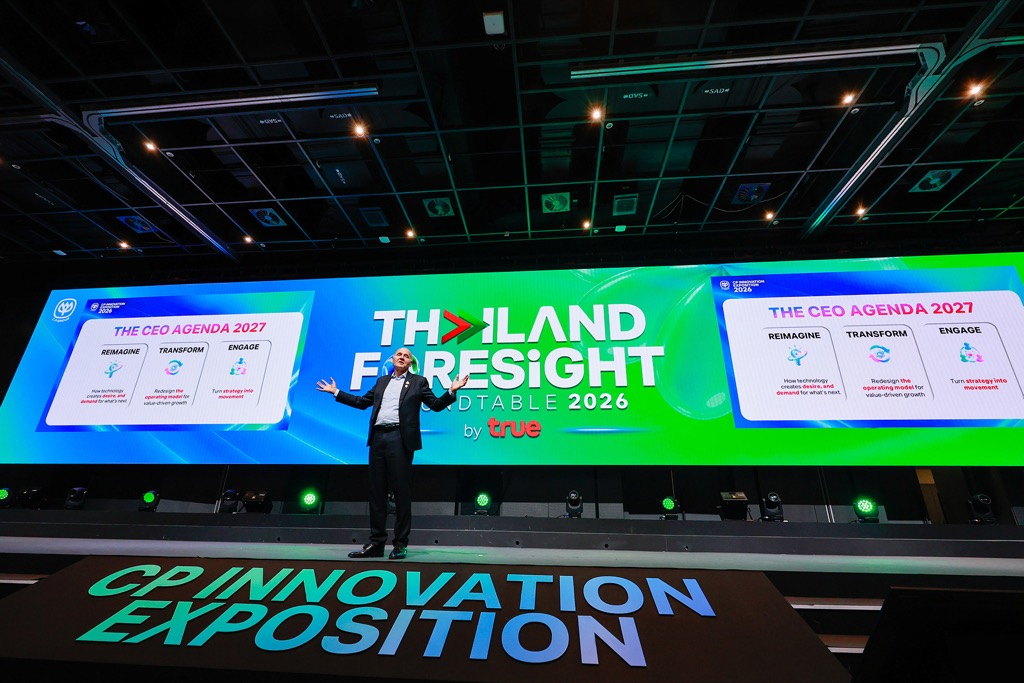
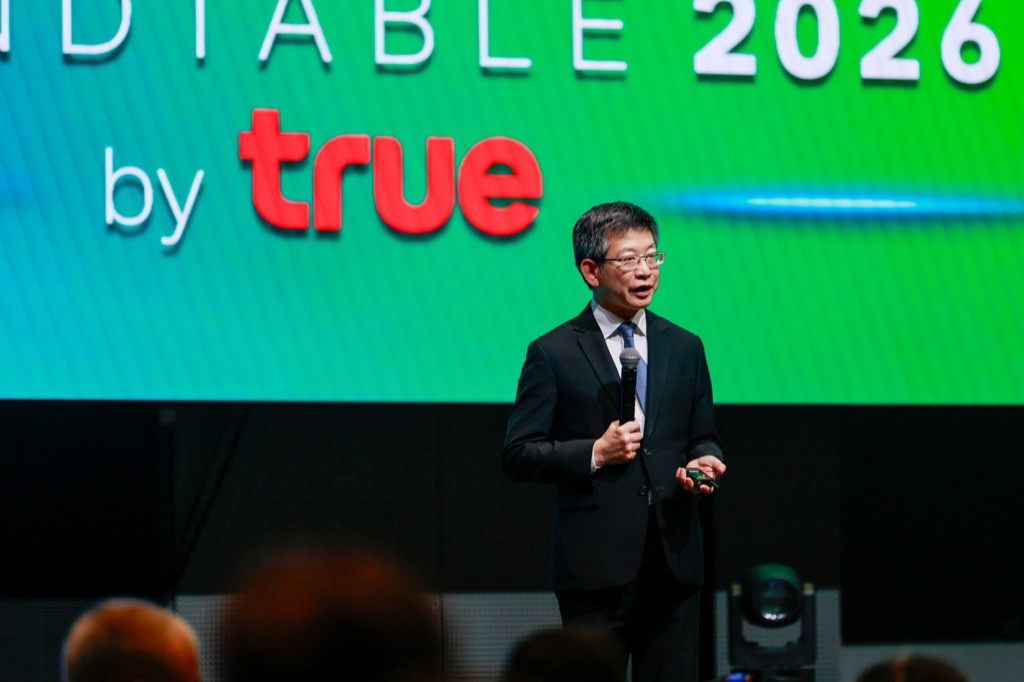
นายซิกเว่ เบรกเก้ ประธานคณะผู้บริหารกลุ่ม บมจ. ทรู คอร์ปอเรชั่น เน้นย้ำถึงความสำคัญที่มนุษย์ต้องเร่งเพิ่มศักยภาพ เพื่อรับมือกับ AI ที่มีขีดความสามารถเพิ่มขึ้นในอัตราความเร็วกว่าเดิมอย่างที่ไม่เคยเกิดขึ้นมาก่อน
“ขีดความสามารถของ AI เพิ่มขึ้นเป็นสองเท่าทุก 3 เดือน สะท้อนถึงความก้าวหน้าของเทคโนโลยีในอัตราที่ไม่เคยเกิดขึ้นมาก่อน และกำลังพลิกโฉมทั้งการแข่งขัน โมเดลธุรกิจ และอนาคตของการทำงานอย่างสิ้นเชิง องค์กรที่ต้องการก้าวขึ้นเป็นผู้นำในยุค AI จึงไม่อาจหยุดอยู่เพียงการนำเทคโนโลยีมาใช้ แต่ต้องกล้าคิดใหม่ถึงความเป็นไปได้ที่ไม่เคยมีมาก่อน และพลิกโฉมวิธีดำเนินธุรกิจทั้งระบบ เราอาจเห็นโครงสร้างองค์กรแห่งอนาคตเปลี่ยนสู่รูปแบบ ‘นาฬิกาทราย’ (Hourglass) ที่มีโครงสร้างการบริหารกระชับคล่องตัวขึ้น ขณะที่พนักงานระดับปฏิบัติการมีศักยภาพสูงขึ้นด้วยพลังของ AI และ Data สามารถคิด ตัดสินใจ และสร้างคุณค่าได้เสมือนเป็นเจ้าของธุรกิจ หัวใจสำคัญของการเปลี่ยนแปลงจึงไม่ใช่เพียงการปรับโครงสร้างองค์กร แต่คือการปลดล็อกศักยภาพของคนให้ทำสิ่งที่มากกว่าเดิม ซึ่งต้องเริ่มต้นจากผู้นำที่ไม่เพียงกำหนดทิศทาง แต่ต้องลงมือขับเคลื่อนการเปลี่ยนแปลงด้วยตนเอง และพาคนทั้งองค์กรก้าวไปข้างหน้าพร้อมกัน”
ไทยพร้อมเปลี่ยนแปลงเพื่อก้าวทันโอกาสที่ยิ่งใหญ่?
สำหรับโลกที่เปลี่ยนแปลงแบบคาดไม่ถึงในปัจจุบัน จะรับมืออย่างไร ดร.กอบศักดิ์ ภูตระกูล กรรมการรองผู้จัดการใหญ่ ธนาคารกรุงเทพ เปิดมุมมองในหัวข้อ “The Next Economic Horizon โลกกำลังเปลี่ยนเกมอย่างไร” ว่า โลกเปลี่ยนแปลงและท้าทายในแบบที่ไม่เคยน่ากังวลใจเท่านี้มาก่อน ปัญหาความขัดแย้งทางภูมิรัฐศาสตร์ที่เกิดขึ้น 2-3 ปีที่ผ่านมานี้ไม่จบเร็ว และจะเป็นปัญหาความขัดแย้งระยะยาว ขณะที่ในอีกมิติความขัดแย้ง คือสงครามทางการค้า อย่างไรก็ตาม ท่ามกลางวิกฤติหลายจุดในโลก ทำให้อาเซียนมีโอกาสทางธุรกิจ ทั้งอินโดนีเซีย เวียดนาม สิงคโปร์ และประเทศไทย ต่างมีการพัฒนาโครงสร้างพื้นฐานอย่างรวดเร็ว ทั้งดาต้าเซ็นเตอร์ ท่าเรือ สนามบิน โรงไฟฟ้า สัญญาณที่สำคัญคือ ที่ผ่านมามีเงินทุนจากต่างประเทศไหลเข้ามามากขึ้นเรื่อยๆ
“อาเซียนจะมีโอกาสที่ยิ่งใหญ่ในการทำธุรกิจ จะเป็น New S-Curve ของธุรกิจในโลก โดยเฉพาะประเทศไทยที่อยู่ในจุดที่ได้เปรียบในเชิงยุทธศาสตร์ด้านพื้นที่” ดร.กอบศักดิ์ ยังชวนมองไปถึงการเปิดประตูฝั่งอันดามันที่เชื่อมไปยังอินเดีย ซึ่งสามารถลดการเดินทางได้เร็วขึ้น สำหรับประเทศไทยนั้นมีโอกาสมากในอีก 5 ปีข้างหน้า เพียงแต่ว่า ไทยพร้อมและกล้าพอที่จะเปลี่ยนแปลงอย่างรวดเร็วหรือไม่
ภาวะผู้นำกับการใช้ AI ให้วัดผลลัพธ์ได้จริง
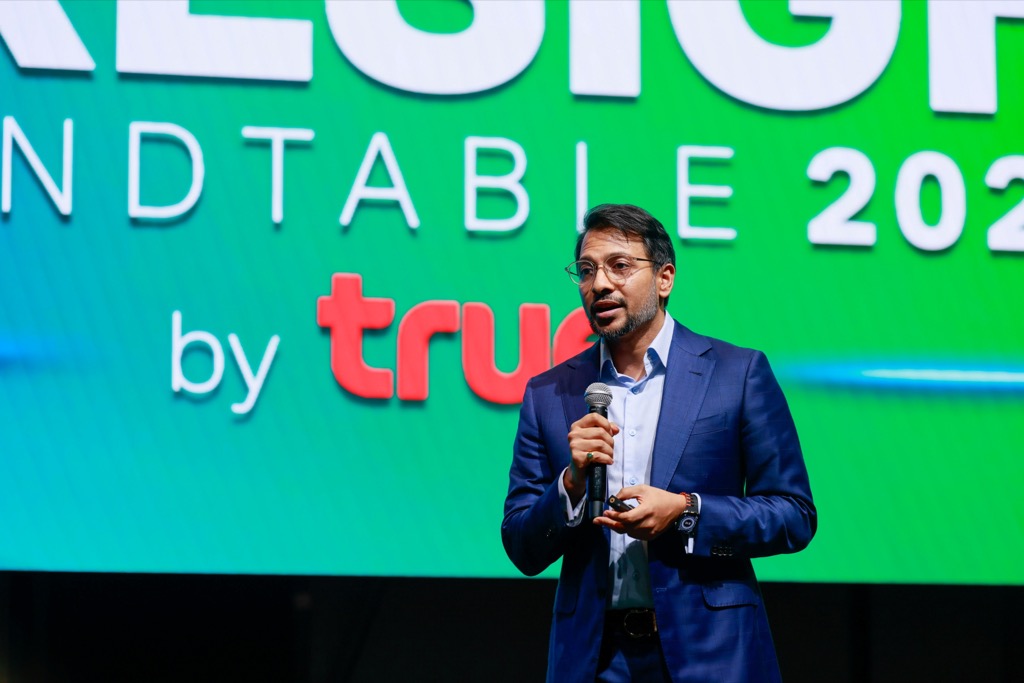
Mr. Sachin Chitturu, Partner at McKinsey และ Head of QuantumBlack SEA กล่าวว่า AI กำลังเปลี่ยนวิธีการทำงาน การดำเนินธุรกิจ และสังคมอย่างถึงระดับรากฐาน ด้วยความก้าวหน้าทางเทคโนโลยีที่รวดเร็วเป็นประวัติการณ์ โดยมี AI โมเดลและขีดความสามารถใหม่ๆ เกิดขึ้นแทบทุก 10 วัน ทำให้แผนทรานสฟอร์มองค์กรระยะ 18 เดือนอาจเผชิญกับเทคโนโลยีที่เปลี่ยนแปลงไปแล้วอย่างน้อย 20 ครั้ง ขณะเดียวกัน AI กำลังพัฒนาจากเครื่องมือเพิ่มประสิทธิภาพสู่ AI Agent ที่สามารถทำงานซับซ้อนได้ด้วยตนเองมากขึ้น อย่างไรก็ตาม องค์กรส่วนใหญ่ยังมุ่งใช้ AI เพื่อเพิ่มประสิทธิภาพการทำงานของบุคคล มากกว่าการสร้างผลลัพธ์ทางธุรกิจในระดับองค์กร ดังนั้น หัวใจของ AI Transformation จึงไม่ใช่เพียงการนำเทคโนโลยีมาใช้ แต่คือการคิดใหม่และออกแบบวิธีดำเนินธุรกิจเพื่อสร้างคุณค่าที่วัดผลได้จริง โดยผู้นำองค์กรต้องขับเคลื่อนการเปลี่ยนแปลงใน 4 ด้านสำคัญ ได้แก่ การกำหนดบทบาทและรูปแบบการทำงานร่วมกันระหว่างมนุษย์กับ AI การออกแบบกระบวนการทำงานและโมเดลธุรกิจใหม่ การวางสถาปัตยกรรมเทคโนโลยีและบริหารต้นทุน และการบริหารความเสี่ยง ความปลอดภัย และธรรมาภิบาล AI พร้อมกำหนดขอบเขตการตัดสินใจระหว่างมนุษย์กับ AI ให้ชัดเจน เพื่อสร้างสมดุลระหว่างประสิทธิภาพ คุณภาพ และต้นทุน
เสวนาเปิดมุมมอง โอกาสไทยในยุคเศรษฐกิจอัจฉริยะ
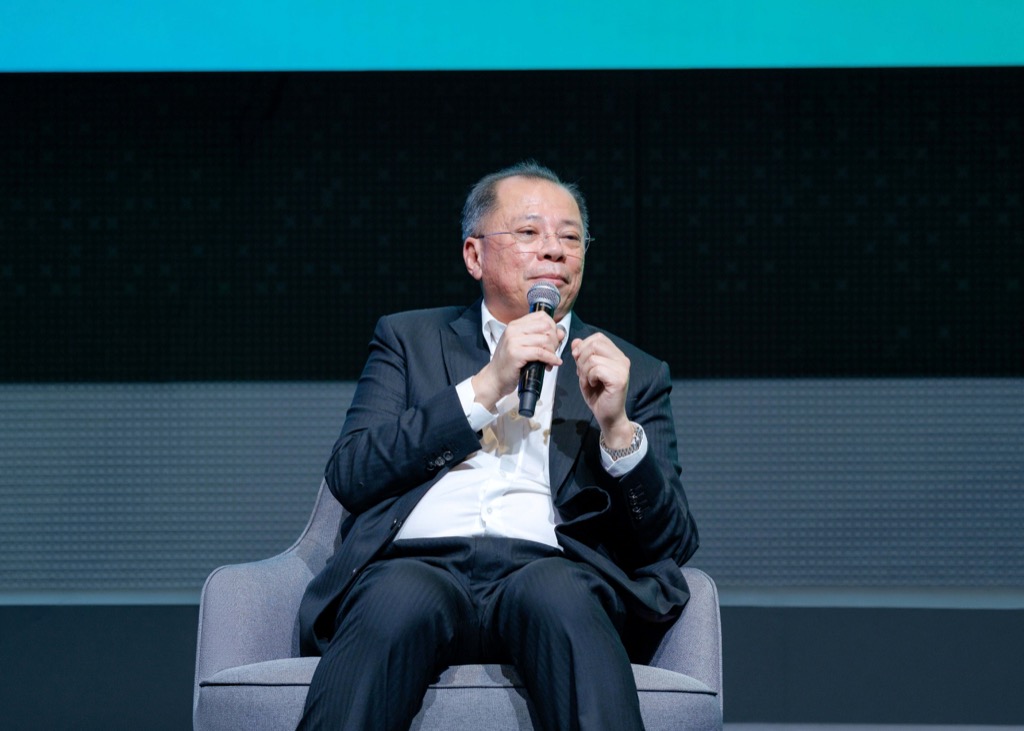
นอกจากนี้ ยังมีการเสวนาโดยวิทยากรชั้นนำ ร่วมถ่ายทอดมุมมองความสามารถด้านนวัตกรรมของประเทศไทย กับโอกาสในยุคเศรษฐกิจอัจฉริยะ โดย ดร.จุฬา สุขมานพ เลขาธิการคณะกรรมการนโยบายเขตพัฒนาพิเศษภาคตะวันออก หรือ EEC กล่าวถึงศักยภาพไทยบนกระแสความเปลี่ยนแปลงของโลกว่า จุดเด่นของ EEC คือเรื่องเทคโนโลยี ดิจิทัล และออโตเมชัน ซึ่งต่อจากนี้ AI มีบทบาทสำคัญอย่างมาก เพราะเป็นเทคโนโลยีพื้นฐานรองรับและขับเคลื่อน Intelligent Economy อีกทั้งยังมีส่วนในการกำหนดระบบเศรษฐกิจในอนาคต AI จะเปลี่ยนเกมการพัฒนานิคมอุตสาหกรรมที่ต้องพัฒนาโครงสร้างพื้นฐานให้ต่างจากเดิม ตลอดจนการพัฒนาคุณภาพคน มากกว่าปริมาณ เพื่อรองรับเศรษฐกิจอัจฉริยะ
ต่อคำถามที่ว่า โลกยุคใหม่กำลังเปิดโอกาสให้ประเทศไทยอย่างไรบ้าง ดร.กอบศักดิ์ กล่าวว่า ประเทศไทยมีโอกาสสูงในยุคเศรษฐกิจอัจฉริยะ สะท้อนจากมูลค่าการส่งเสริมการลงทุนของนักลงทุนต่างชาติในไทยของ BOI มีเม็ดเงินสูงขึ้น จากอดีต 5 แสนล้าน เป็น 2.5 – 2.8 ล้านล้านต่อปีในปัจจุบัน ที่สำคัญส่วนใหญ่เป็นอุตสาหกรรมที่ตอบรับเศรษฐกิจอัจฉริยะ อย่างเช่น ดาต้าเซ็นเตอร์ พลังงานสะอาด ไบโอเทค ดังนั้นใน 5 ปีข้างหน้าประเทศไทยมีโอกาสอีกมากจากเทคโนโลยีใหม่ๆ ซึ่งทั้งคนและธุรกิจต้องเรียนรู้และปรับตัว
ด้าน Mr. Sachin แนะนำสิ่งที่ต้องคำนึงถึงในการใช้ AI เพื่อการพัฒนาระบบเศรษฐกิจใหม่ โดยเน้นเรื่องความคุ้มค่าและการบริหารต้นทุน และย้ำว่าทั่วโลกมีการใช้ AI จำนวนมากในหลายระดับ รวมถึง LLM และการพัฒนาความสามารถใหม่ๆ ทั้งนี้ การไม่มี LLM หรือการผสมผสานระหว่างโมเดลต่างๆ ไม่ใช่ปัญหา แต่สิ่งสำคัญคือเทคโนโลยีนั้นถูกนำไปใช้อย่างไร ใช้อย่างเต็มที่หรือไม่ และคนที่ใช้มีความเข้าใจการทำงานกับ AI หรือไม่
Decoding Thailand’s Future: Seizing Global Economic Opportunitiesn in the Next Intelligence Economy Insights from “Thailand Foresight Roundtable 2026 by True” at CP Innovation Exposition 2026
What opportunities are emerging for Thailand amid rapid global change, particularly as the accelerating development of AI drives everyone to adapt and prepare for the Next Intelligence Economy? CP Group and True Corporation hosted “Thailand Foresight Roundtable 2026 by True”, bringing together leaders from the public and private sectors to explore the challenges ahead and share perspectives on Thailand’s readiness for the future. Held under the theme “THAILAND’S FUTURE INNOVATION FRONTIER: Thailand in the Global Economic Landscape of the Next Intelligence Economy”, the forum took place as part of CP Innovation Exposition 2026. On this occasion, Mr. Suphachai Chearavanont, Senior Vice Chairman and Chief Innovation of Charoen Pokphand Group, welcomed participants at True Digital Park.
Ensuring Clean Power Readiness for the AI Era
H.E. Akanat Promphan, Minister of Energy, presided over the event and delivered a special keynote address on energy readiness to support the new intelligent economy. Speaking on “Thailand’s Next Growth Infrastructure”, he expressed confidence that the government had made comprehensive plans and preparations, as electricity will be a key competitive advantage for Thailand. The country has sufficient power generation capacity, a factor attracting data center operators to invest in Thailand, supported by the country’s capabilities and well-prepared supply chains.
However, the energy transition required by new AI-driven industries calls for more than electricity alone. It also demands clean electricity, which Thailand must produce in greater quantities. “We have ambitious plans to revise our power generation plan and increase the share of clean electricity from 20% to 50% within 10 years, and to more than 65% by 2050”, he said. In addition to clean electricity, Thailand is studying new technologies, including small modular reactors (SMRs), to strengthen energy security and meet rising electricity demand.
Daring to Rethink as AI Evolves at an Accelerating Pace
Mr. Sigve Brekke, Group Chief Executive Officer of True Corporation Plc., emphasized the urgent need for people to strengthen their capabilities to keep pace with AI, whose capabilities are growing at an unprecedented rate.
“AI capabilities are doubling every three months. Technology is moving faster than ever before, fundamentally changing competition, business models, and the future of work. Leaders who want to succeed in the AI era must go beyond simply adopting AI. They need to reimagine what is possible next and transform how their businesses operate from end to end. I believe we may see more companies adopt an ‘Hourglass’ model, with stronger capabilities at the top, leaner middle management, and frontline employees empowered by AI and data to think, make decisions, and create value like business owners. The real opportunity is not simply changing the shape of the organization, but expanding what our people are capable of doing. And this must start with leadership. Leaders must do more than set the direction. They must drive the change themselves and bring everyone on board.”
Is Thailand Ready to Change and Seize Major Opportunities?
In a world undergoing unexpected changes, how should we respond? Dr. Kobsak Pootrakool, Director & Senior Executive Vice President at Bangkok Bank Plc., shared his perspectives in a session titled “The Next Economic Horizon”. He said the world is facing changes and challenges more concerning than ever before. Geopolitical conflicts that have emerged over the past two to three years are unlikely to end soon and will remain long-term sources of tension. Trade wars represent another dimension of these conflicts. Yet amid crises in many parts of the world, ASEAN is gaining business opportunities. Indonesia, Vietnam, Singapore and Thailand are all rapidly developing infrastructure, including data centers, ports, airports and power plants. An important sign is the continued increase in foreign capital inflows.
“ASEAN will have tremendous business opportunities and become a new S-curve for businesses worldwide, particularly Thailand, which enjoys a strategic geographic advantage”, Dr. Kobsak said. He also highlighted the potential of opening an Andaman coast gateway connecting to India, which could shorten travel times. Thailand has significant opportunities over the next five years. The question is whether the country is ready and bold enough to change quickly.
Leadership and Turning AI Adoption into Measurable Results
Mr. Sachin Chitturu, Partner at McKinsey & Head of Quantum Black SEA, said AI is fundamentally transforming how people work, how businesses operate and how society functions. Technological progress is occurring at an unprecedented pace, with new AI models and capabilities emerging almost every 10 days. This means that over an 18-month organizational transformation plan, the technology a company intends to deploy may have changed at least 20 times. Meanwhile, AI is evolving from a productivity tool into AI agents capable of independently performing increasingly complex tasks. Yet most organizations still focus on using AI to improve individual productivity rather than deliver business outcomes at the organizational level. Therefore, the heart of AI Transformation is not merely adopting technology, but reimagining and redesigning business operations to create measurable value. Leaders must drive change across four key areas: defining roles and ways for humans and AI to work together; redesigning workflows and business models; planning technology architecture and managing costs; and managing AI risks, security and governance. Organizations must also clearly define the boundaries of decision-making between humans and AI to strike the right balance between efficiency, quality and cost.
Panel Discussion: Thailand’s Opportunities in the Intelligent Economy
The event also featured a panel discussion with leading speakers who shared their perspectives on Thailand’s innovation capabilities and opportunities in the intelligent economy. Mr. Chula Sukmanop, Ph.D., Secretary-General of the Eastern Economic Corridor Office (EECO), discussed Thailand’s potential amid global change. He noted that the EEC’s strengths are its technology, digitalization and automation. Looking ahead, AI will play a vital role as a foundational technology supporting and driving the intelligent economy, while also helping shape the future economic system. AI will transform the development of industrial estates, requiring different approaches to infrastructure development and a greater focus on the quality, rather than the quantity, of human capital to support the intelligent economy.
Asked what opportunities the emerging global landscape is creating for Thailand, Dr. Kobsak said the country has considerable potential in the intelligent economy. This is reflected in the value of foreign investment promoted by Thailand’s Board of Investment (BOI), which he said has risen from THB 500 billion in the past to THB 2.5 – 2.8 trillion per year today. Importantly, much of this investment is in industries aligned with the intelligent economy, such as data centers, clean energy and biotechnology. Over the next five years, new technologies will create many more opportunities for Thailand, making it essential for both people and businesses to learn and adapt.
Mr. Sachin also highlighted key considerations when using AI to develop the new economy, particularly value for money and cost management. He noted that AI is already widely used around the world at various levels, including large language models (LLMs) and emerging capabilities. Not having an LLM, or combining different models, is not the problem. What matters is how the technology is used, whether its capabilities are fully utilized, and whether the people using it understand how to work with AI.
อ่าน: 251
Like this:
Like Loading...
Related
Comments
comments