

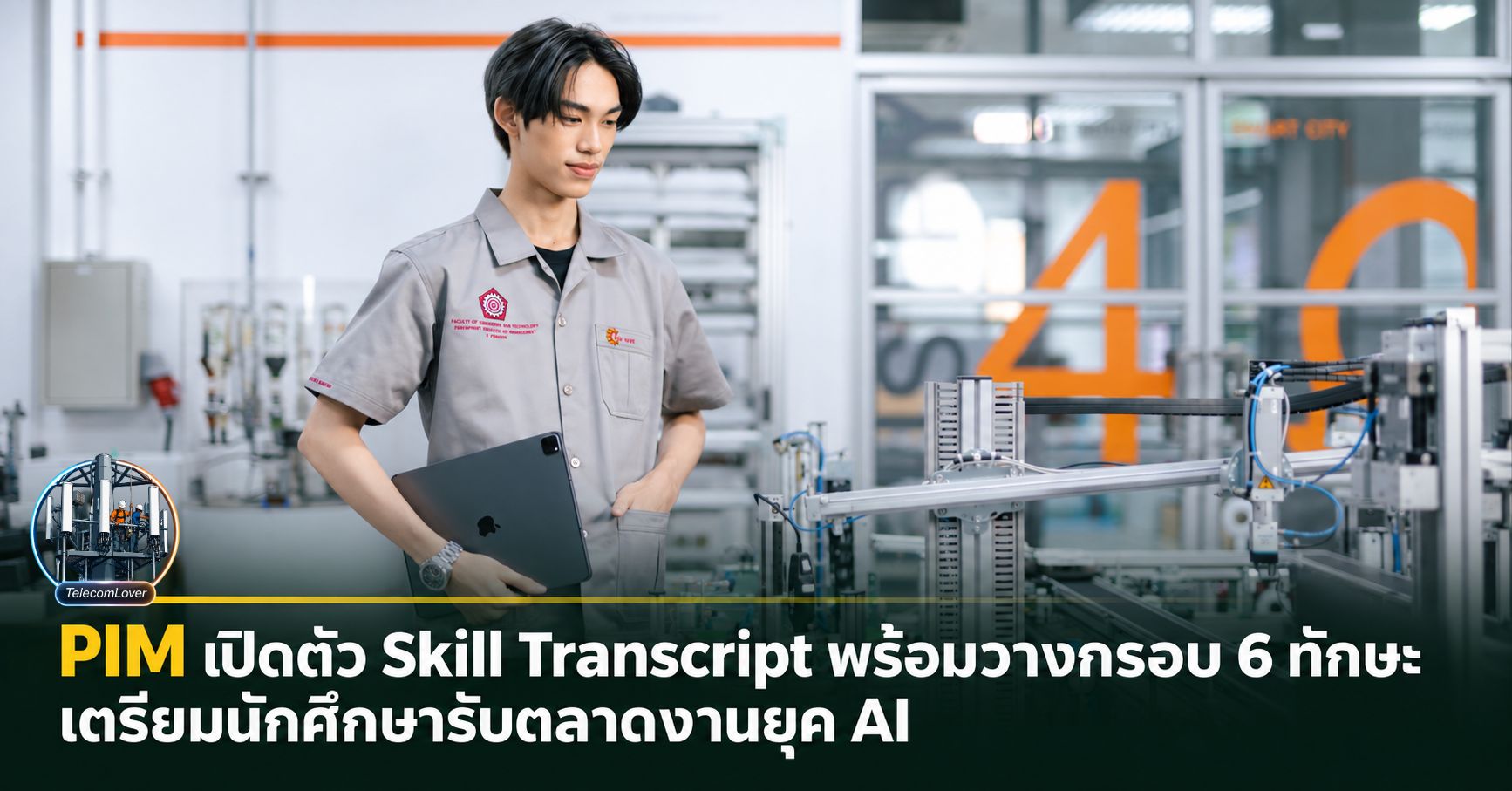
PIM เผย 6 สกิล พัฒนาคนยุค AI ก้าวข้ามเด็กจบใหม่ไร้ประสบการณ์
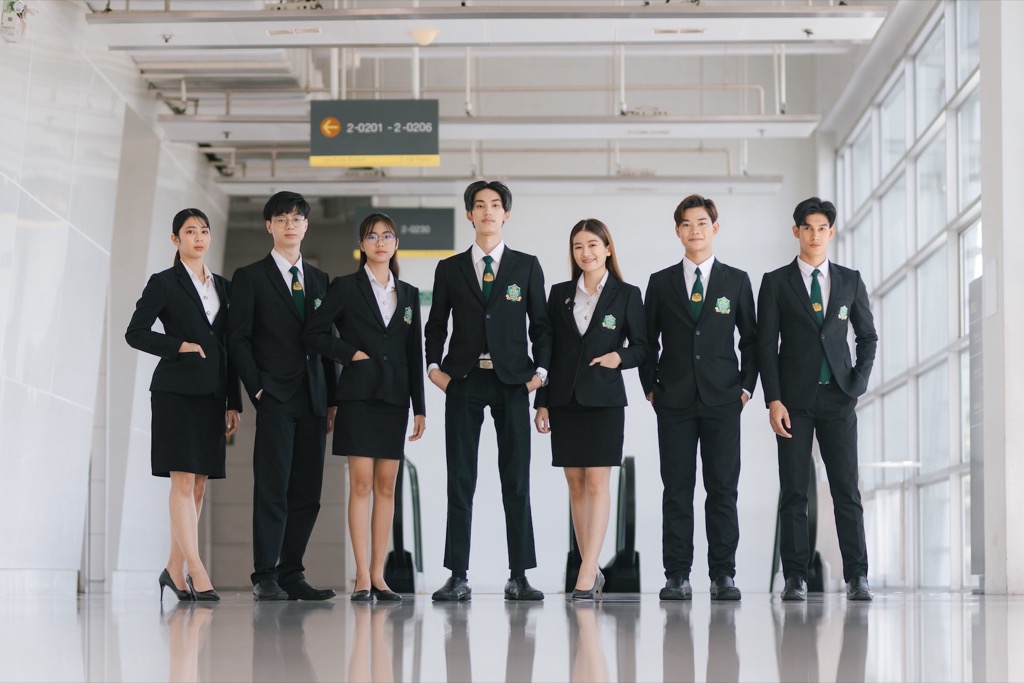
- PIM ชี้โจทย์ตลาดงานไทยไม่ใช่แค่ “ใบปริญญาอย่างเดียว” แต่ต้องมี “ทักษะตรงงาน” หลังพบผู้ว่างงานราว 400,000 คนในไตรมาส 2/2569 และกว่า 192,000 คนยังไม่เคยมีประสบการณ์ทำงาน
- เปิด 6 ทักษะสำคัญที่เด็กยุค AI ต้องมี ครอบคลุม AI Literacy, Language Literacy, Financial Literacy และ 3 Human Skills ได้แก่ Critical Thinking, Creative & Imaginative Thinking และ Human Relationship
- PIM เปิดตัว “ใบแสดงผลทักษะสถาบันการจัดการปัญญาภิวัฒน์” (PIM Skill Transcript)
- ตอกย้ำแนวคิด Work-based Education เรียนจบพร้อมมีงานทำ พัฒนาเด็ก PIM ให้ภาคธุรกิจ พร้อมทำงานแบบไร้รอยต่อ
- ตอกย้ำ PIM The Original ต้นตำรับเรียนรู้จากการทำงาน มากว่า 20 ปี ด้วยเครือข่ายพันธมิตรกว่า 3,000 แห่งในประเทศ และ 900 แห่งในต่างประเทศ พร้อมอัตราการมีงานทำของบัณฑิต 96% ต่อปี
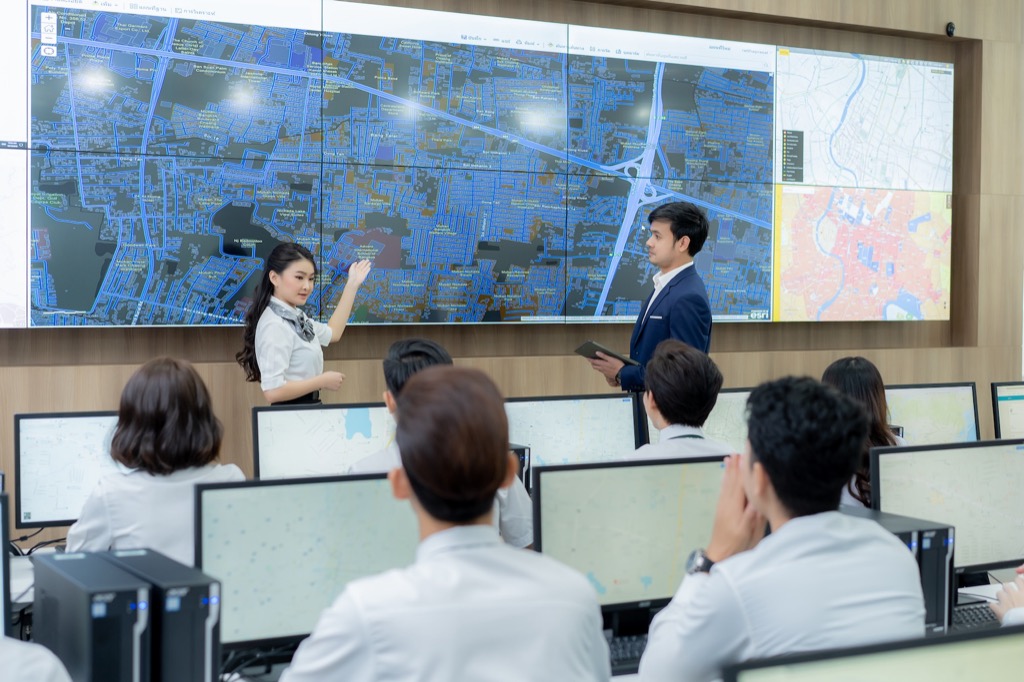
สถาบันการจัดการปัญญาภิวัฒน์ หรือ PIM ชี้โจทย์ตลาดงานยุค AI ไม่ได้อยู่ที่ “ใบปริญญาอย่างเดียว” แต่อยู่ที่ “คนที่ใช่ กับมีทักษะตรงกับงาน” หลังข้อมูลไตรมาส 2/2569 พบประเทศไทยมีผู้ว่างงานราว 400,000 คน ในจำนวนนี้ประมาณ 192,000 คนเป็นผู้ที่ไม่เคยมีประสบการณ์ทำงานมาก่อน ขณะที่องค์กรต้องการคนที่สามารถนำความรู้ไปใช้กับการทำงานจริงได้ทันที PIM จึงเดินหน้าพัฒนาคนให้พร้อมทำงานตั้งแต่ระหว่างเรียน พร้อมเปิดตัว “ใบแสดงผลทักษะสถาบันการจัดการปัญญาภิวัฒน์” หรือ PIM Skill Transcript เพื่อสะท้อนทักษะและประสบการณ์ของนักศึกษาเพิ่มเติมจากวุฒิการศึกษา
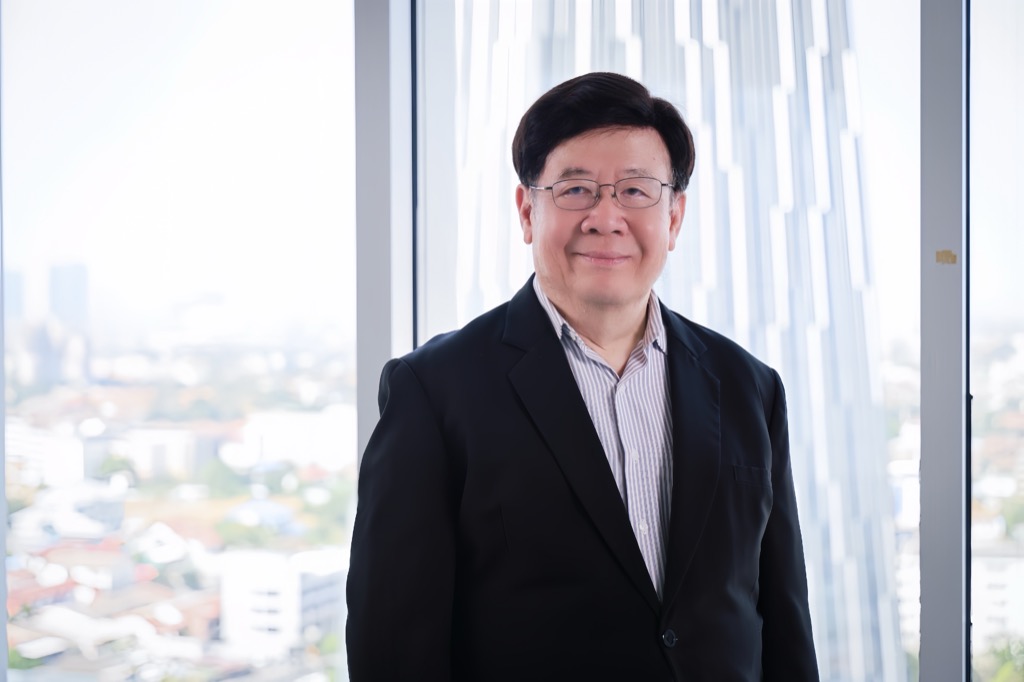
รศ.ดร.สมภพ มานะรังสรรค์ อธิการบดีสถาบันการจัดการปัญญาภิวัฒน์ หรือ PIM กล่าวว่า โลกการทำงานกำลังเปลี่ยนเร็วจากการเข้ามาของ AI ทำให้คนรุ่นใหม่จำเป็นต้องมีทั้งทักษะที่ใช้ทำงานร่วมกับเทคโนโลยี และทักษะเฉพาะของมนุษย์ โดย 6 ทักษะสำคัญที่ควรพัฒนา ได้แก่ 1. AI Literacy รู้เท่าทันและใช้ AI อย่างเหมาะสม 2. Language Literacy โดยเฉพาะภาษาอังกฤษ 3. Financial Literacy เข้าใจการเงินและเศรษฐกิจ 4. Critical Thinking คิดวิเคราะห์และตั้งคำถาม 5. Creative & Imaginative Thinking คิดสร้างสรรค์และสร้างแนวคิดใหม่ และ 6. Human Relationship สื่อสาร ทำงานร่วมกับผู้อื่น และสร้างความสัมพันธ์ได้อย่างมี Human Touch
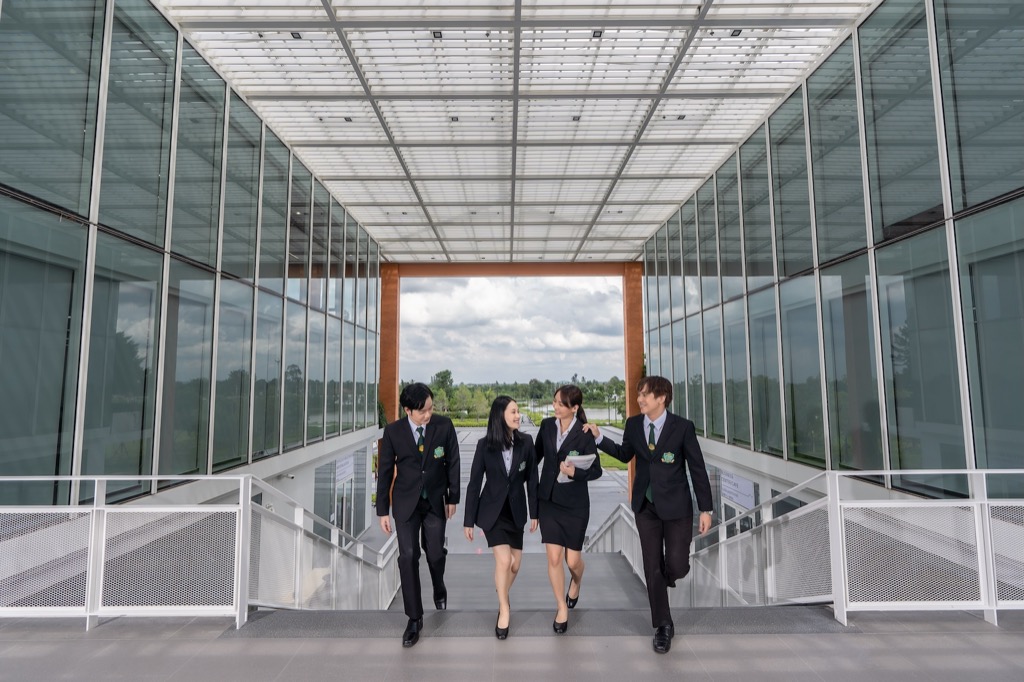
จากโจทย์ดังกล่าว PIM จึงพัฒนา “Skill Transcript” เพื่อสะท้อนความสามารถของนักศึกษามากกว่าการระบุเพียงวุฒิการศึกษา โดยรวบรวมทั้ง Soft Skills และ Hard Skills รวมถึงประสบการณ์จากการเรียนรู้และการฝึกปฏิบัติงานจริงตลอดช่วงการศึกษา ช่วยให้นักศึกษาเห็นจุดแข็งและทักษะที่ควรพัฒนา ขณะเดียวกันสถานประกอบการสามารถใช้ข้อมูลดังกล่าวประกอบการพิจารณาผู้สมัครและมองเห็นศักยภาพได้ชัดเจนขึ้น
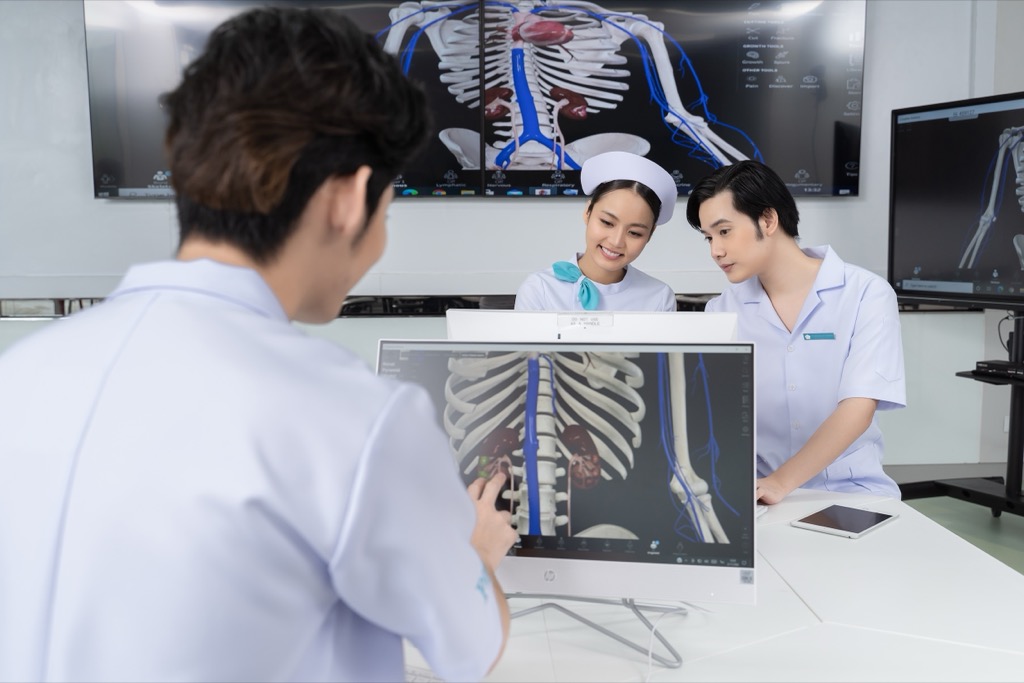
ตลอดกว่า 20 ปี PIM จัดการศึกษาภายใต้แนวคิด Work-based Education หรือการเรียนรู้จากการทำงานจริง สะสมทักษะตั้งแต่ปี 1 ต่อเนื่องจนจบการศึกษา พร้อมเดินหน้าสร้างความร่วมมือกับพันธมิตรทั้งในประเทศกว่า 3,000 แห่ง และต่างประเทศกว่า 900 แห่ง ส่งผลให้บัณฑิต PIM มีอัตราการมีงานทำสูงกว่า 96% สะท้อนแนวทาง “PIM The Original” ต้นตำรับเรียนรู้จากการทำงานจริง ที่มุ่งพัฒนาคนให้มีทักษะตรงกับโลกการทำงานและความต้องการของภาคธุรกิจ
PIM Launches Skill Transcript and Outlines Six Essential Skills for the AI-Era Workforce
Panyapiwat Institute of Management (PIM) has launched the PIM Skill Transcript to document students’ skills and practical experience alongside their academic qualifications. The institute has also outlined six key capabilities that young people should develop as artificial intelligence reshapes the labor market.
According to figures cited by PIM for the second quarter of 2026, Thailand had approximately 400,000 unemployed people, around 192,000 of whom had no previous work experience. PIM said the figures reflect a gap between academic credentials and the practical capabilities sought by employers, particularly the ability to apply knowledge in real working environments.
Assoc. Prof. Dr. Sompop Manarungsan, President of PIM, said the growing role of AI requires young people to develop capabilities for working with technology alongside distinctly human skills.
The six areas include AI Literacy, covering the informed and appropriate use of AI; Language Literacy, with particular emphasis on English; and Financial Literacy, which builds an understanding of finance and economics.
The other three are human-centered skills: Critical Thinking for analysis and questioning; Creative & Imaginative Thinking for developing new ideas; and Human Relationship skills for communication, collaboration and building relationships with a human touch.
The PIM Skill Transcript records Soft Skills, Hard Skills and experience gained through academic learning and workplace practice throughout a student’s education. Students can use the record to identify their strengths and areas for further development, while employers can use it as additional information when reviewing applicants and assessing their potential beyond academic qualifications.
The initiative builds on PIM’s Work-based Education model, which has enabled students to accumulate practical skills from their first year through graduation for more than 20 years. PIM currently works with over 3,000 partner organizations in Thailand and more than 900 overseas. The institute reports an annual graduate employment rate of more than 96%.