


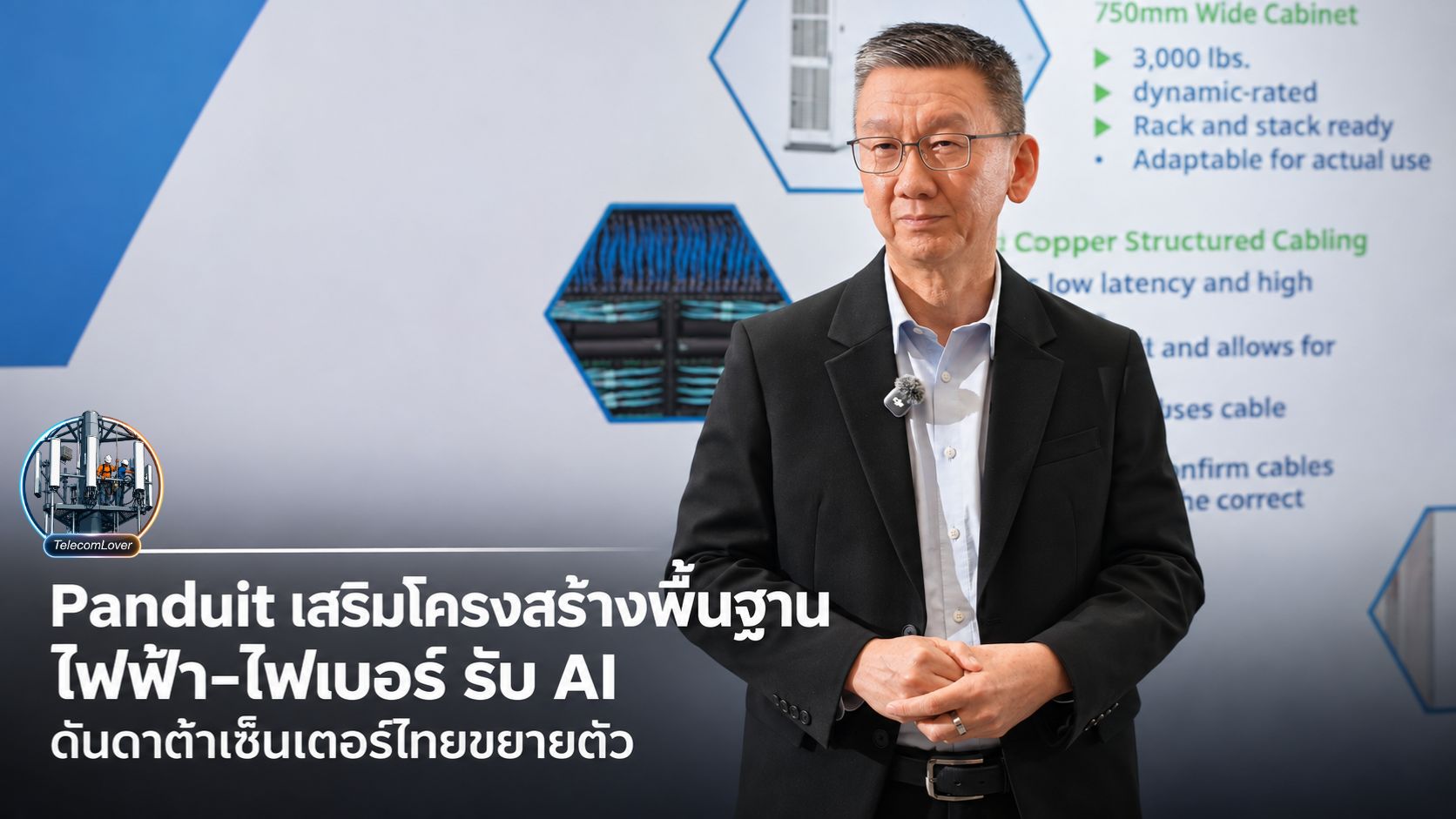
Panduit จัดงาน Thailand Technology Day 2026 เปิดตัว 4 โซลูชันโครงสร้างพื้นฐานและไฟเบอร์ VSSF รองรับเวิร์กโหลด AI หลังคาดตลาดดาต้าเซ็นเตอร์ไทยโตแตะ 6.29 พันล้านดอลลาร์
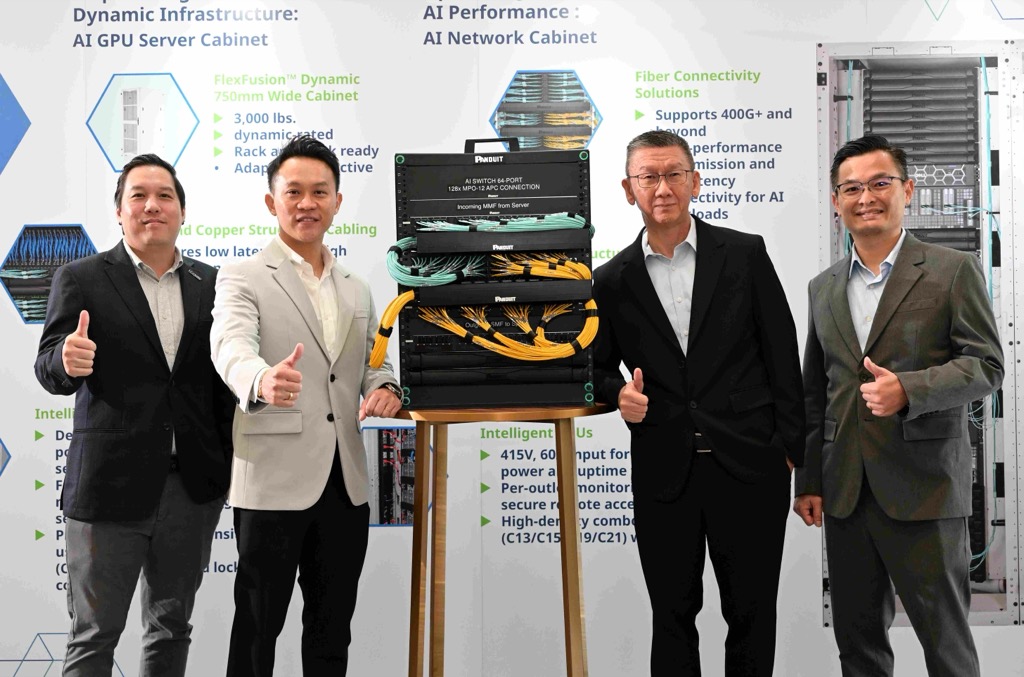
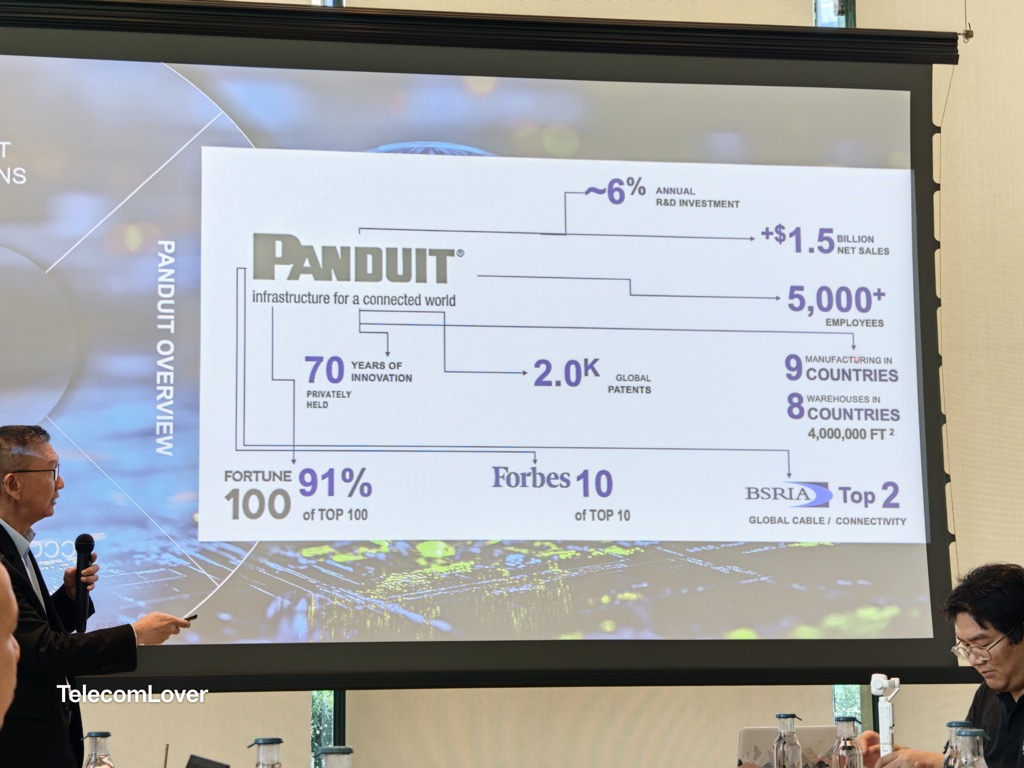
แพนดุต (Panduit) ผู้นำระดับโลกด้านโซลูชันโครงสร้างพื้นฐานระบบไฟฟ้าและระบบเครือข่าย จัดงาน Panduit Thailand Technology Day 2026: Powering an AI-Driven Future โดยรวมพลังผู้นำภาคธุรกิจ ผู้เชี่ยวชาญด้านไอที ที่ปรึกษา ผู้ให้บริการออกแบบและติดตั้งระบบ (System Integrator: SI) ผู้ใช้งาน และพันธมิตรทางการค้า เพื่อร่วมเจาะลึกองค์ประกอบสำคัญของโครงสร้างพื้นฐานที่จำเป็นต่อการรองรับเศรษฐกิจดิจิทัลของประเทศไทย ที่กำลังเติบโตและเปลี่ยนแปลงอย่างรวดเร็ว พร้อมขับเคลื่อนองค์กรก้าวสู่อนาคตด้วย AI.
เนื่องจากมีการนำปัญญาประดิษฐ์ (AI) มาใช้งานในอุตสาหกรรมต่างๆ อย่างรวดเร็ว องค์กรต่างๆ จึงต้องเผชิญกับความท้าทายใหม่ๆ ด้านโครงสร้างพื้นฐาน ซึ่งเป็นผลมาจากความต้องการพลังการประมวลผลที่สูงขึ้น ความต้องการใช้ไฟฟ้าที่เพิ่มขึ้น ความต้องการการเชื่อมต่อที่รวดเร็วและครอบคลุมยิ่งขึ้น ตลอดจนความจำเป็นในการมีสภาพแวดล้อมดิจิทัลที่ยืดหยุ่น มีความทนทาน และพร้อมรองรับการขยายตัว การจัดงานครั้งนี้จึงมุ่งเน้นการนำเสนอแนวทางในการพัฒนาโครงสร้างพื้นฐานขององค์กรให้พร้อมรองรับ AI ผ่านระบบไฟฟ้าอัจฉริยะ เทคโนโลยีการเชื่อมต่อขั้นสูง และสถาปัตยกรรมเครือข่ายที่พร้อมสำหรับความต้องการในอนาคต
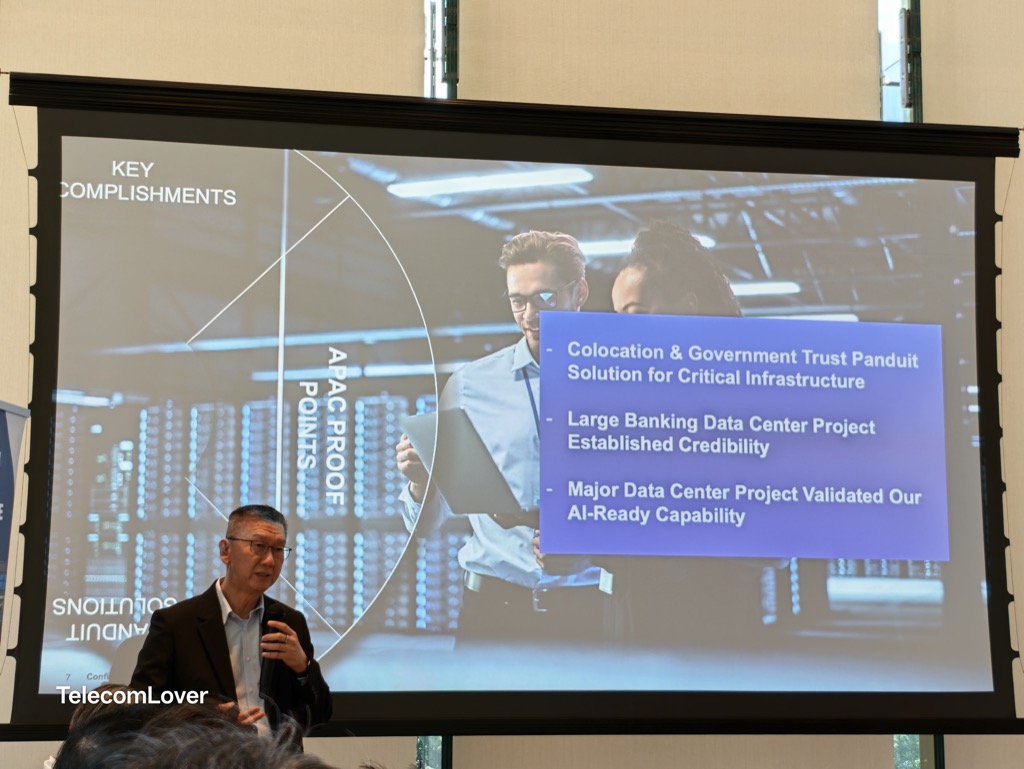
ประเทศไทยยังคงเดินหน้าเสริมสร้างบทบาทในฐานะศูนย์กลางโครงสร้างพื้นฐานดิจิทัลที่สำคัญในภูมิภาคเอเชียตะวันออกเฉียงใต้ โดยผลสำรวจภาคอุตสาหกรรมคาดการณ์ว่า ตลาดดาต้าเซ็นเตอร์จะเติบโตจาก 1.45 พันล้านเหรียญสหรัฐฯ ในปี 2568 เป็น 6.29 พันล้านเหรียญสหรัฐฯ ในปี 2574 โดยมีปัจจัยสำคัญจากการใช้งาน AI ที่เพิ่มขึ้น การขยายตัวของคลาวด์ การเปลี่ยนผ่านสู่ดิจิทัล ตลอดจนการลงทุนอย่างต่อเนื่องจากผู้ให้บริการระดับไฮเปอร์สเกล (hyperscale) ผู้ให้บริการโคโลเคชัน (colocation) และผู้ให้บริการต่างๆ
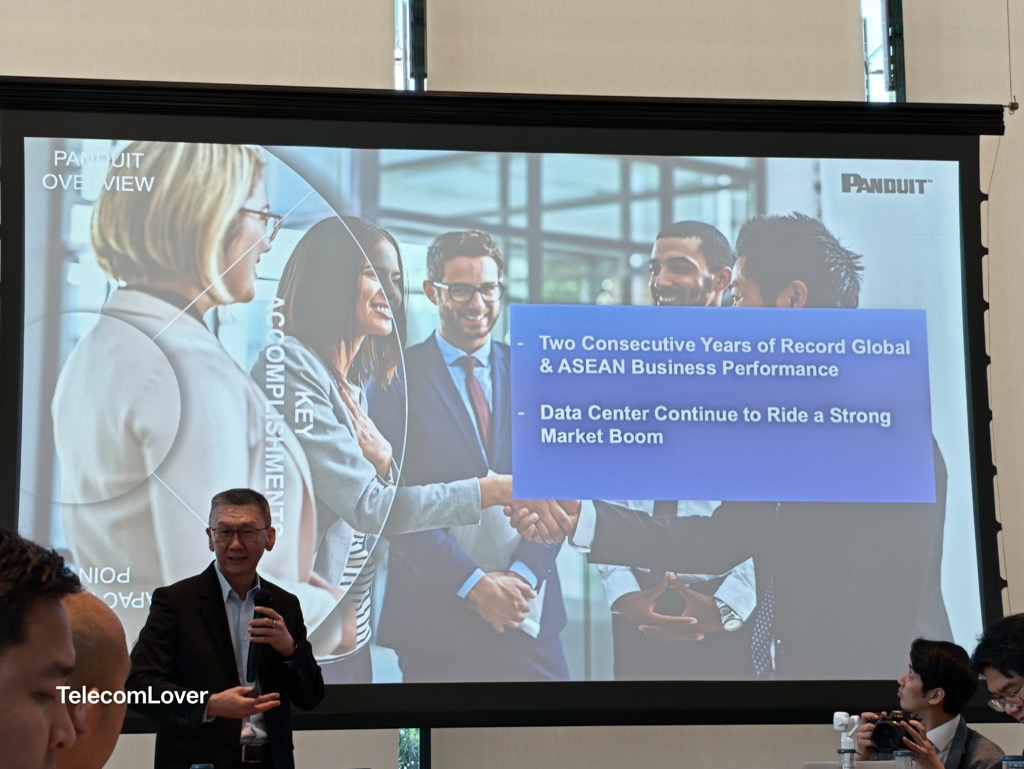
ซิมิน ซิรุน ผู้อำนวยการฝ่ายธุรกิจประจำภูมิภาคอาเซียน อินเดีย และเกาหลี บริษัทแพนดุต กล่าวว่า “ประเทศไทยกำลังก้าวขึ้นสู่แถวหน้าของการพัฒนาโครงสร้างพื้นฐานดิจิทัลระลอกใหม่ ซึ่งขับเคลื่อนโดยการนำ AI, คลาวด์คอมพิวติ้ง และแอปพลิเคชันที่ต้องประมวลผลข้อมูลจำนวนมากมาใช้งานอย่างรวดเร็ว ขณะที่องค์กรต่างๆ ยังคงเดินหน้าขยายขีดความสามารถด้านดิจิทัล โครงสร้างพื้นฐานทางกายภาพที่รองรับการทำงานของระบบเหล่านี้จึงยิ่งทวีความสำคัญมากขึ้น การจัดงาน Panduit Thailand Technology Day ในครั้งนี้ จึงเป็นการรวมตัวของผู้นำในอุตสาหกรรม เพื่อร่วมแลกเปลี่ยนมุมมองและแนวทางที่ภาคธุรกิจจะสามารถพัฒนาโครงสร้างพื้นฐานที่มีความทนทาน รองรับการขยายตัว เพื่อเป็นรากฐานสำคัญในการขับเคลื่อนการเติบโตในอนาคต”
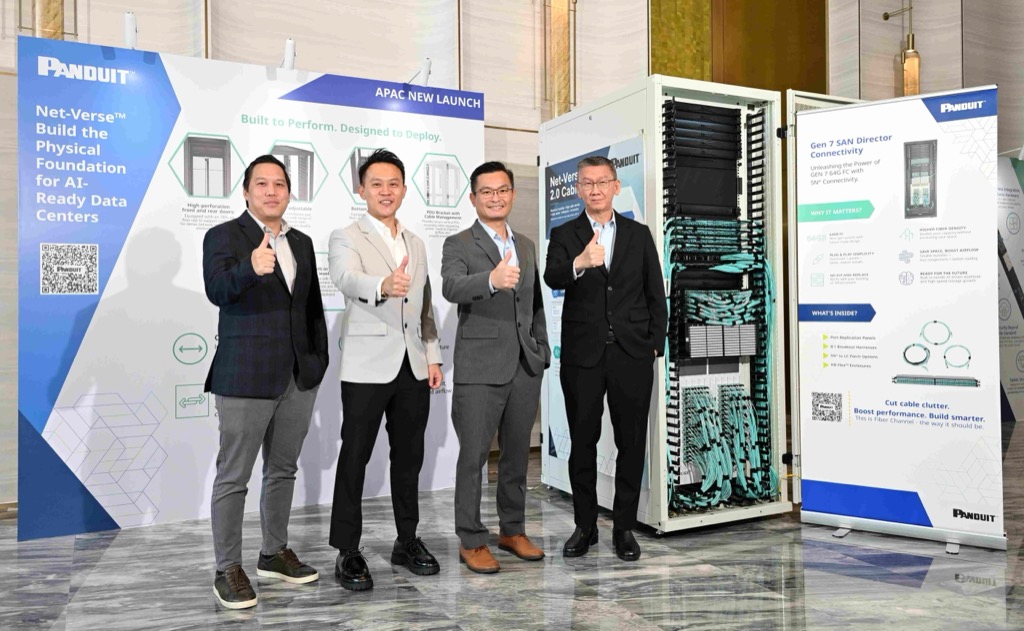
ภายในงาน Panduit ได้เปิดตัว 4 โซลูชันโครงสร้างพื้นฐานใหม่ล่าสุด ที่ออกแบบมาเพื่อช่วยให้องค์กรสามารถรับมือกับความต้องการที่เพิ่มขึ้น ทั้งในด้านพลังงาน การเชื่อมต่อ การขยายระบบ และการมองเห็นการทำงานของทั้งระบบ:
- EL2P Intelligent Power Distribution Unit (PDU) – ช่วยให้การจ่ายไฟฟ้า การตรวจสอบ และการมองเห็นภาพรวมของสภาพแวดล้อมการประมวลผลความหนาแน่นสูงเป็นไปอย่างอัจฉริยะ
- Gen 7 SAN Director Connectivity – มอบการเชื่อมต่อผ่านไฟเบอร์ที่มีประสิทธิภาพสูงและสามารถขยายขีดความสามารถได้ ออกแบบมาเพื่อรองรับสถาปัตยกรรม AI และดาต้าเซ็นเตอร์ยุคใหม่
- Fault Managed Power System (FMPS) – ระบบจ่ายไฟฟ้าที่มาพร้อมกลไกจัดการความผิดปกติ ช่วยให้การส่งจ่ายพลังงานไปยังอุปกรณ์ต่างๆ และโครงสร้างพื้นฐานอัจฉริยะรูปแบบใหม่มีความปลอดภัยและมีประสิทธิภาพ
- NetVerse™ 2.0 – แพลตฟอร์มโครงสร้างพื้นฐานดาต้าเซ็นเตอร์ของแพนดุต ออกแบบมาเพื่อรองรับความต้องการที่เปลี่ยนแปลงไปของสภาพแวดล้อมที่พร้อมสำหรับ AI ผ่านการเพิ่มประสิทธิภาพด้านการรองรับการขยายตัว การเชื่อมต่อ และการจัดการโครงสร้างพื้นฐานที่ดีขึ้น
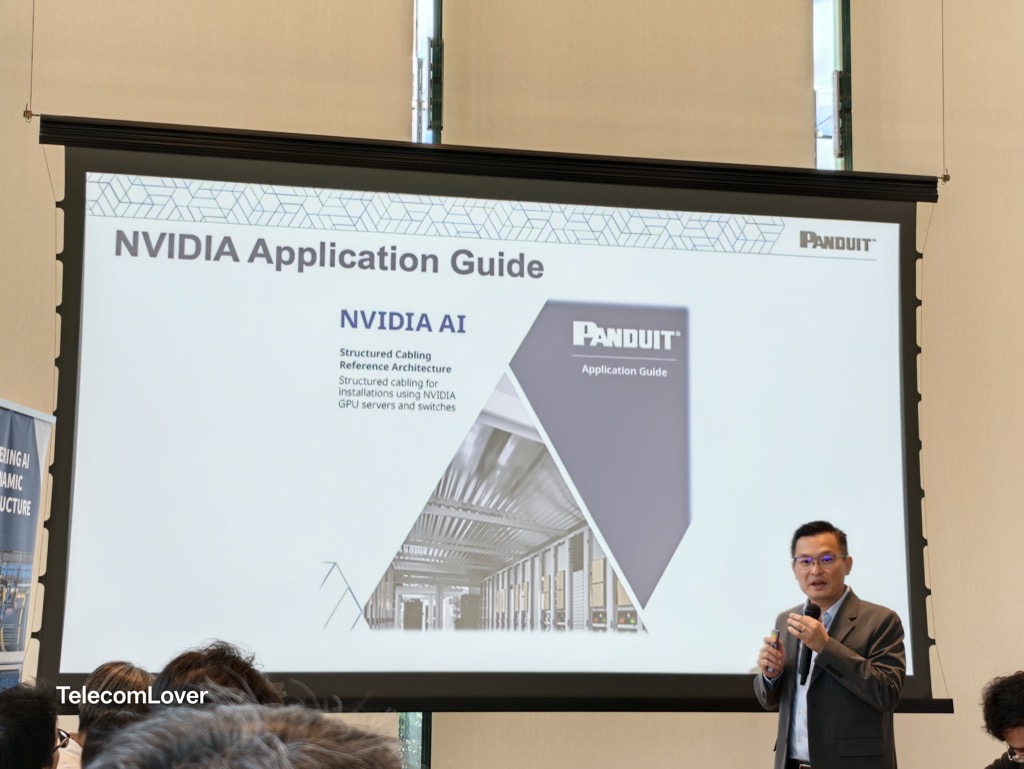
นอกเหนือจากโซลูชันที่นำเสนอภายในงาน Panduit ยังได้ยกระดับความพร้อมด้านโครงสร้างพื้นฐานสำหรับ AI
ด้วยการเปิดตัวกลุ่มผลิตภัณฑ์ไฟเบอร์ออปติก Very Small Form Factor (VSSF) รุ่นใหม่ ที่มาพร้อมกับเทคโนโลยีการเชื่อมต่อ MMC และสาย Shuffle cable โดยผลิตภัณฑ์กลุ่มนี้ออกแบบทางวิศวกรรมมาโดยเฉพาะเพื่อรองรับสถาปัตยกรรม GPU สำหรับ AI รวมถึง NVIDIA Vera Rubin กลุ่มผลิตภัณฑ์ VSSF
ช่วยรองรับความต้องการด้านการขยายระบบของสภาพแวดล้อมการประมวลผลยุคใหม่ ด้วยความหนาแน่นของไฟเบอร์ที่สูงขึ้น พร้อมประสิทธิภาพที่รับการปรับแต่งให้เหมาะสมกับสภาพแวดล้อม AI
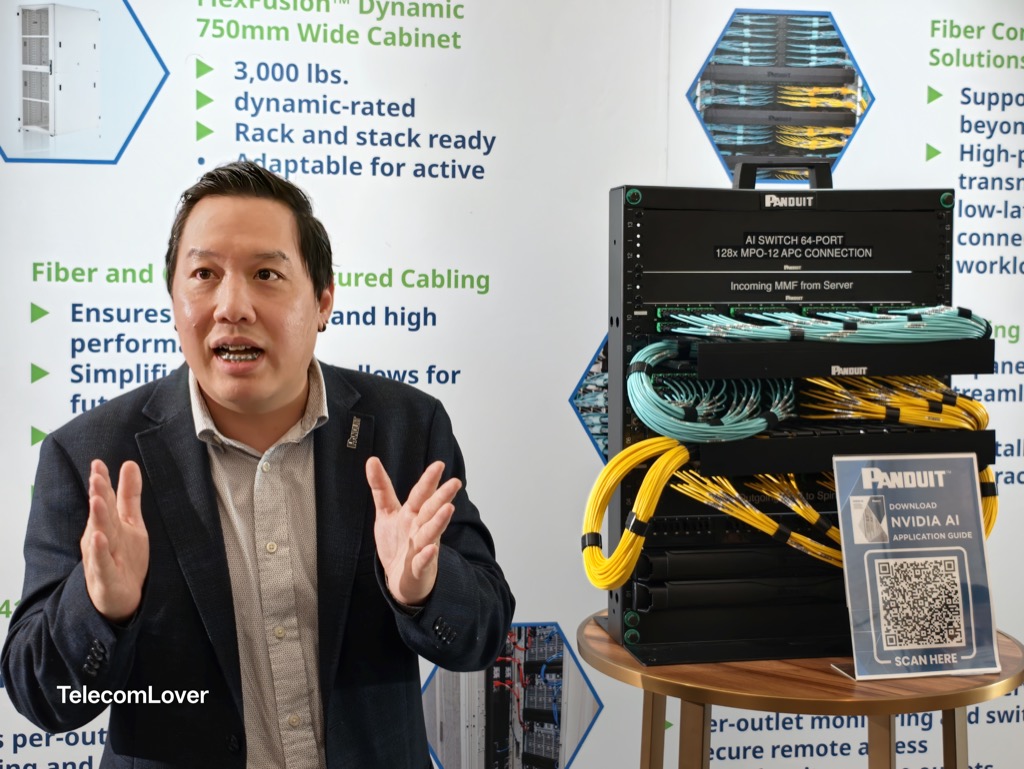
เมื่อทำงานร่วมกัน นวัตกรรมเหล่านี้จะช่วยให้องค์กรสามารถรับมือกับความต้องการที่เพิ่มขึ้นจากเวิร์กโหลด AI, การขยายตัวของคลาวด์, การประมวลผลประสิทธิภาพสูง และสภาพแวดล้อมโครงสร้างพื้นฐานดิจิทัลที่ทันสมัย พร้อมทั้งสนับสนุนประสิทธิภาพการใช้พลังงานที่มากขึ้น ความหนาแน่นของการเชื่อมต่อไฟเบอร์ที่สูงขึ้น และความสามารถในการรองรับการขยายตัวในอนาคต
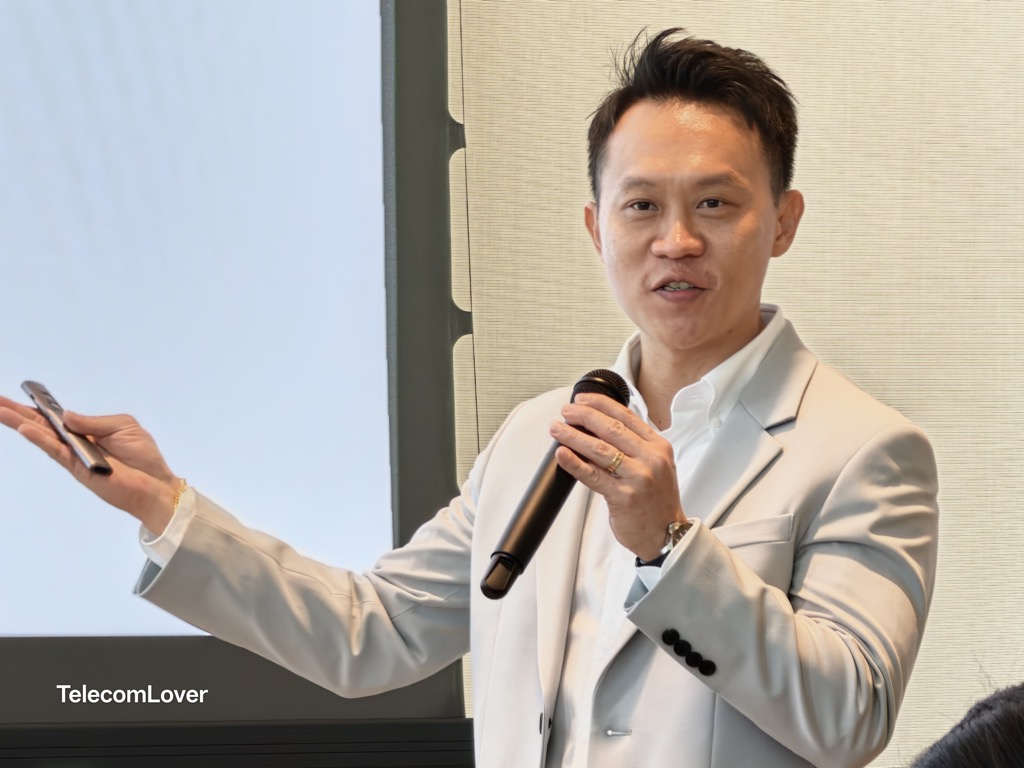
ภายในงาน Panduit ได้นำเสนอโครงสร้างพื้นฐานสำคัญ 3 ด้านที่สนับสนุนสภาพแวดล้อมดิจิทัลยุคใหม่ พร้อมทั้งจัดแสดงนวัตกรรมผลิตภัณฑ์ล่าสุด ดังนี้:
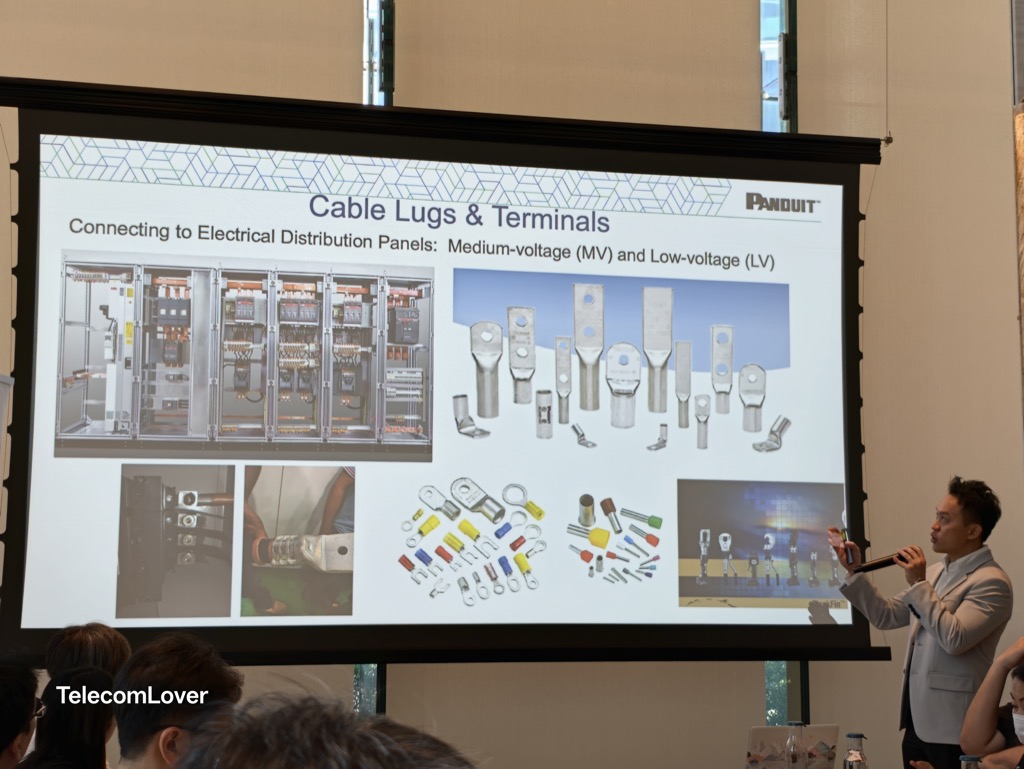
โครงสร้างพื้นฐานทางไฟฟ้า
ไฮไลต์สำคัญประกอบด้วยแนวปฏิบัติที่ดีที่สุดด้านการจัดการสายเคเบิลอย่างปลอดภัย การเชื่อมต่อและการเข้าหัวสายสัญญาณที่เชื่อถือได้ การทำการต่อสายดิน (Grounding) และการต่อเชื่อมสายไฟฟ้า (Bonding) รวมถึงการระบุและติดป้ายกำกับอุปกรณ์สำหรับการดำเนินงานของดาต้าเซ็นเตอร์ ซึ่งทั้งหมดนี้เป็นรากฐานของโครงสร้างพื้นฐานทางไฟฟ้าที่มีความยืดหยุ่นและทนทาน ช่วยเสริมสร้างความน่าเชื่อถือ ความปลอดภัย และความต่อเนื่องในการดำเนินงานภายใต้สภาพแวดล้อมที่มีความต้องการสูงขึ้นอย่างต่อเนื่อง เช่น AI ดาต้าเซ็นเตอร์, โรงงานอุตสาหกรรม และอาคารต่างๆ
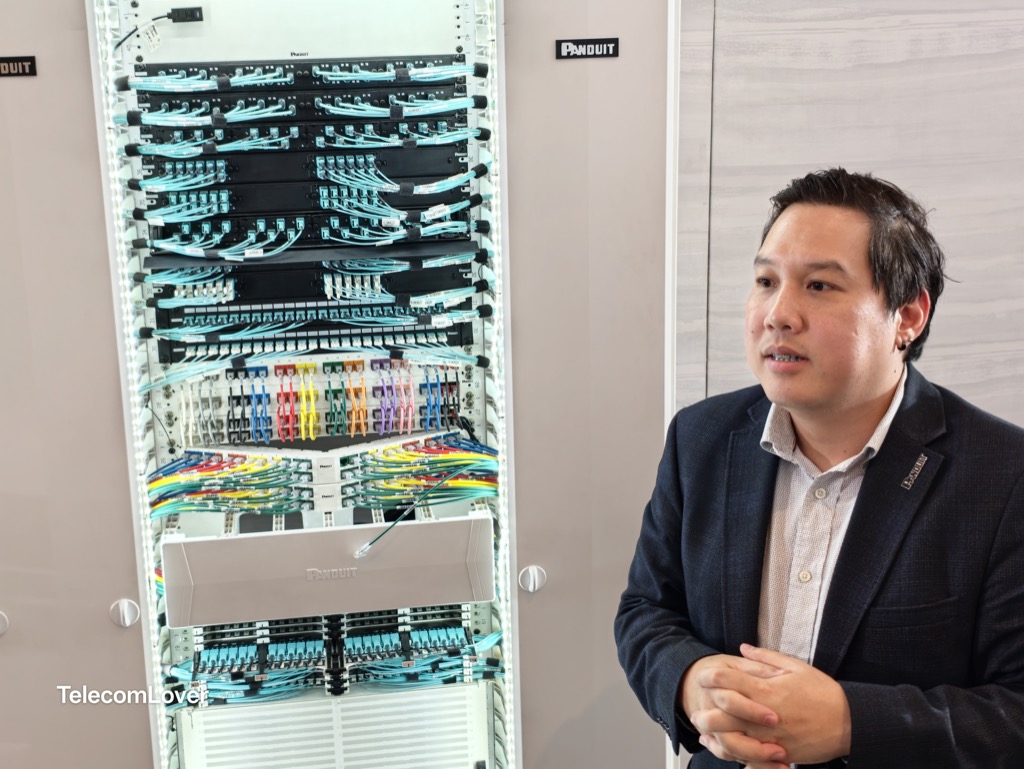
โครงสร้างพื้นฐานเครือข่ายสำหรับองค์กร
การนำเสนอในเซสชั่นต่างๆ ได้เจาะลึกถึงแนวทางการพัฒนาสภาพแวดล้อมขององค์กรให้พร้อมรองรับอนาคต ผ่านระบบสายเคเบิลทองแดงและไฟเบอร์ออปติกประสิทธิภาพสูง โครงสร้างพื้นฐานทางกายภาพอัจฉริยะ โซลูชันการเชื่อมต่อที่รองรับระยะทางไกลขึ้น และสถาปัตยกรรมเครือข่ายสมัยใหม่ โดยผู้เข้าร่วมงานได้รับข้อมูลเชิงลึกเกี่ยวกับการรองรับการเปลี่ยนผ่านสู่ดิจิทัล อาคารอัจฉริยะ และระบบการเชื่อมต่อที่รองรับการทำงานยุคใหม่
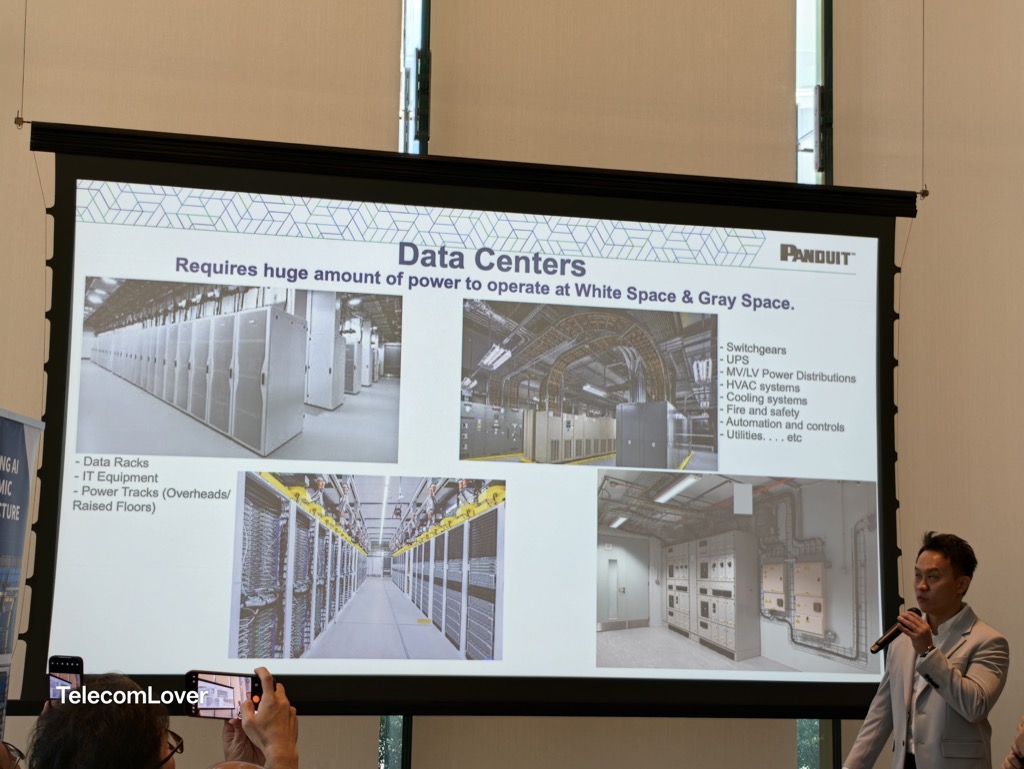
โครงสร้างพื้นฐานเครือข่ายดาต้าเซ็นเตอร์
Panduit ได้แสดงให้เห็นว่า ความหนาแน่นของไฟเบอร์ที่เพิ่มขึ้นและเวิร์กโหลดที่ขับเคลื่อนด้วย AI กำลังเปลี่ยนแปลงข้อกำหนดในการออกแบบดาต้าเซ็นเตอร์อย่างไร โดยมุ่งเน้นไปที่ระบบการจัดระเบียบและเดินสายเคเบิล แนวทางการกระจาย กำลังไฟฟ้าขั้นสูง การบริหารจัดการไฟเบอร์ ระบบการเชื่อมต่อแบบเข้าหัวสำเร็จรูป (pre-terminated connectivity) และสถาปัตยกรรมสามารถรองรับการขยายตัว ซึ่งช่วยให้สามารถติดตั้งและใช้งานดาต้าเซ็นเตอร์ที่มีความหนาแน่นสูง พร้อมรองรับการทำงานของ GPU และ AI
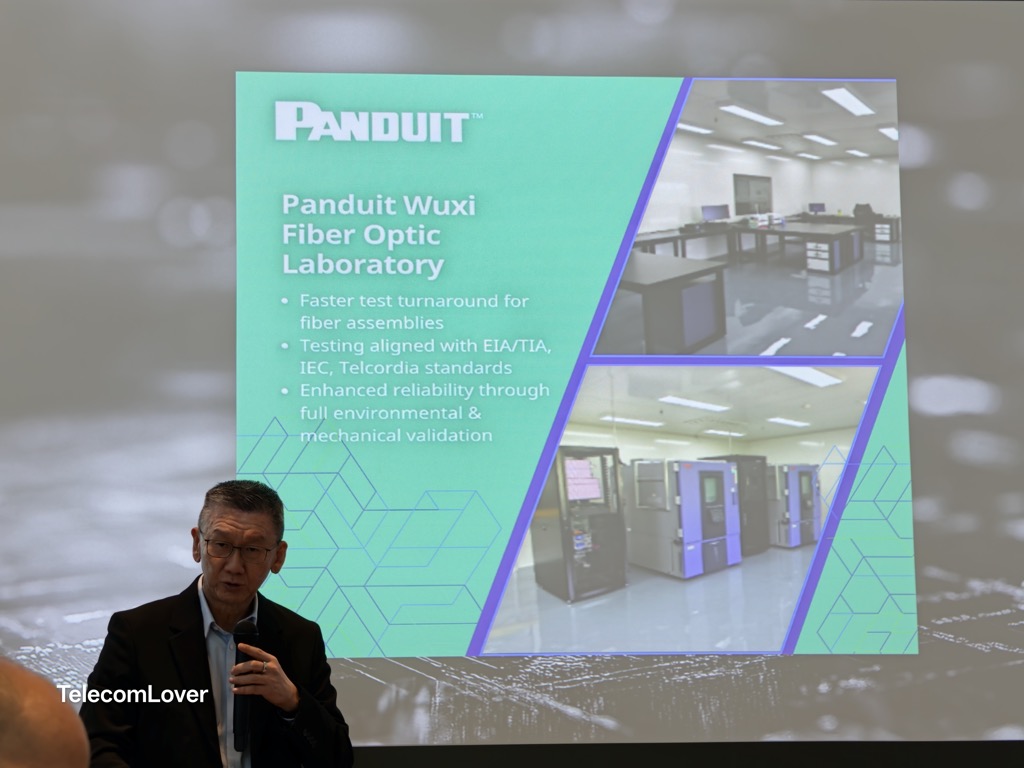
ทั้งนี้ ซิมิน ซิรุน กล่าวเสริมว่า “ความพร้อมด้าน AI ไม่ได้ขึ้นอยู่กับการนำเทคโนโลยีใหม่ๆ มาใช้เพียงอย่างเดียว แต่เริ่มต้นจากการวางรากฐานที่เหมาะสม องค์กรที่วันนี้เริ่มลงทุนในระบบพลังงานที่เชื่อถือได้ การเชื่อมต่อที่มีประสิทธิภาพ และโครงสร้างพื้นฐานที่รองรับการขยายตัว จะมีความพร้อมมากยิ่งขึ้นในการสนับสนุนนวัตกรรม เร่งการเปลี่ยนผ่านสู่ดิจิทัล และปลดล็อกศักยภาพของ AI ได้อย่างเต็มที่”
ในขณะที่องค์กรต่าง ๆ, ผู้ให้บริการคลาวด์ และผู้ให้บริการดาต้าเซ็นเตอร์ยังคงเดินหน้ายกระดับสภาพแวดล้อมการดำเนินงานให้ทันสมัย Panduit ยังคงมุ่งมั่นในการนำเสนอโซลูชันโครงสร้างพื้นฐานทางไฟฟ้าและเครือข่ายแบบครบวงจร เพื่อสนับสนุนการดำเนินงานที่ชาญฉลาดยิ่งขึ้น มีการเชื่อมต่อที่ครอบคลุมมากขึ้น และพร้อมรองรับความต้องการในอนาคต
Panduit Thailand Technology Day 2026: Powering an AI-Driven Future
Panduit, a global leader in electrical and network infrastructure solutions, today hosted Panduit Thailand Technology Day 2026: Powering an AI-Driven Future, bringing together business leaders, IT professionals, consultants, system integrators, end users, and channel partners to explore the infrastructure foundations required to support Thailand’s rapidly evolving digital economy and AI-driven future.
As artificial intelligence accelerates adoption across industries, organisations are facing new infrastructure challenges driven by higher computing requirements, increasing power density, greater connectivity demands, and the need for scalable, resilient digital environments. The event highlighted how organisations can build AI-ready infrastructure through intelligent power, advanced connectivity, and future-ready network architectures.
Thailand continues to strengthen its position as a key digital infrastructure hub in Southeast Asia. Industry research projects the country’s data centre market to grow from USD 1.45 billion in 2025 to USD 6.29 billion by 2031, driven by increasing AI adoption, cloud expansion, digital transformation initiatives, and continued investments from hyperscale, colocation, and enterprise operators.
“Thailand is at the forefront of a new wave of digital infrastructure development, driven by the rapid adoption of AI, cloud computing, and data-intensive applications,” said Simin Sirun, Business Director, ASEAN, India and Korea at Panduit. “As organisations continue to scale their digital capabilities, the physical infrastructure supporting these environments becomes increasingly critical. Through Panduit Thailand Technology Day, we are bringing together industry leaders to explore how businesses can build the resilient and scalable foundations needed to power future growth.”
During the event, Panduit officially introduced four new infrastructure solutions designed to help organisations address increasing power, connectivity, scalability, and operational visibility demands:
- EL2P Intelligent Power Distribution Unit (PDU) – enabling intelligent power distribution, monitoring, and visibility for high-density computing environments.
- Gen 7 SAN Director Connectivity – delivering scalable, high-performance fibre connectivity designed for next-generation AI and data centre architectures.
- Fault Managed Power System (FMPS) – providing safe and efficient power delivery for connected devices and emerging smart infrastructure applications.
- NetVerse™ 2.0 – Panduit’s enhanced data centre infrastructure platform designed to support the evolving requirements of AI-ready environments through improved scalability, connectivity, and infrastructure management.
In addition to the solutions showcased at the event, Panduit further expanded its AI infrastructure readiness with the introduction of its next-generation Very Small Form Factor (VSSF) fibre optic portfolio. Featuring MMC connectivity and shuffle cables, the new range is specifically engineered to support advanced AI GPU architectures, including NVIDIA Vera Rubin. By providing higher fibre density and performance optimised for AI environments, the VSSF portfolio helps support the scalability requirements of next-generation computing environments.
Together, these innovations help organisations address the increasing demands of AI workloads, cloud expansion, high-performance computing, and modern digital infrastructure environments, while supporting greater power efficiency, higher fibre densities, and future scalability.
At the event, Panduit featured three key infrastructure domains supporting modern digital environments, highlighting its latest product innovations:
Electrical Infrastructure
Highlights included best practices in Safe Cable Management, Reliable Terminations, Grounding & Bonding, and Identification for Data Center Operation. These form the foundation of resilient electrical infrastructure that supports reliability, safety, and operational continuity in increasingly demanding environments such as AI data centres, industrial facilities, and enterprise campuses.
Enterprise Network Infrastructure
Sessions explored how organisations can build future-ready enterprise environments through high-performance copper and fibre cabling systems, intelligent physical infrastructure, extended-reach connectivity solutions, and modern network architectures. Attendees gained insights into supporting digital transformation, smart buildings, and next-generation workplace connectivity.
Data Centre Network Infrastructure
Panduit showcased how increasing fibre density and AI-driven workloads are reshaping data centre design requirements. Presentations focused on structured cable routing systems, advanced power distribution approaches, fibre management, pre-terminated connectivity, and scalable architectures that enable high-density, GPU-ready, and AI-capable data centre deployments.
“AI readiness is not solely about adopting new technologies,” added Simin Sirun. “It begins with building the right foundation. Organisations that invest today in reliable power, robust connectivity, and scalable infrastructure will be better positioned to support innovation, accelerate digital transformation, and unlock the full potential of AI.”
As enterprises, cloud providers, and data centre operators continue to modernise their environments, Panduit remains committed to delivering end-to-end electrical and network infrastructure solutions that enable smarter, more connected, and future-ready operations.